
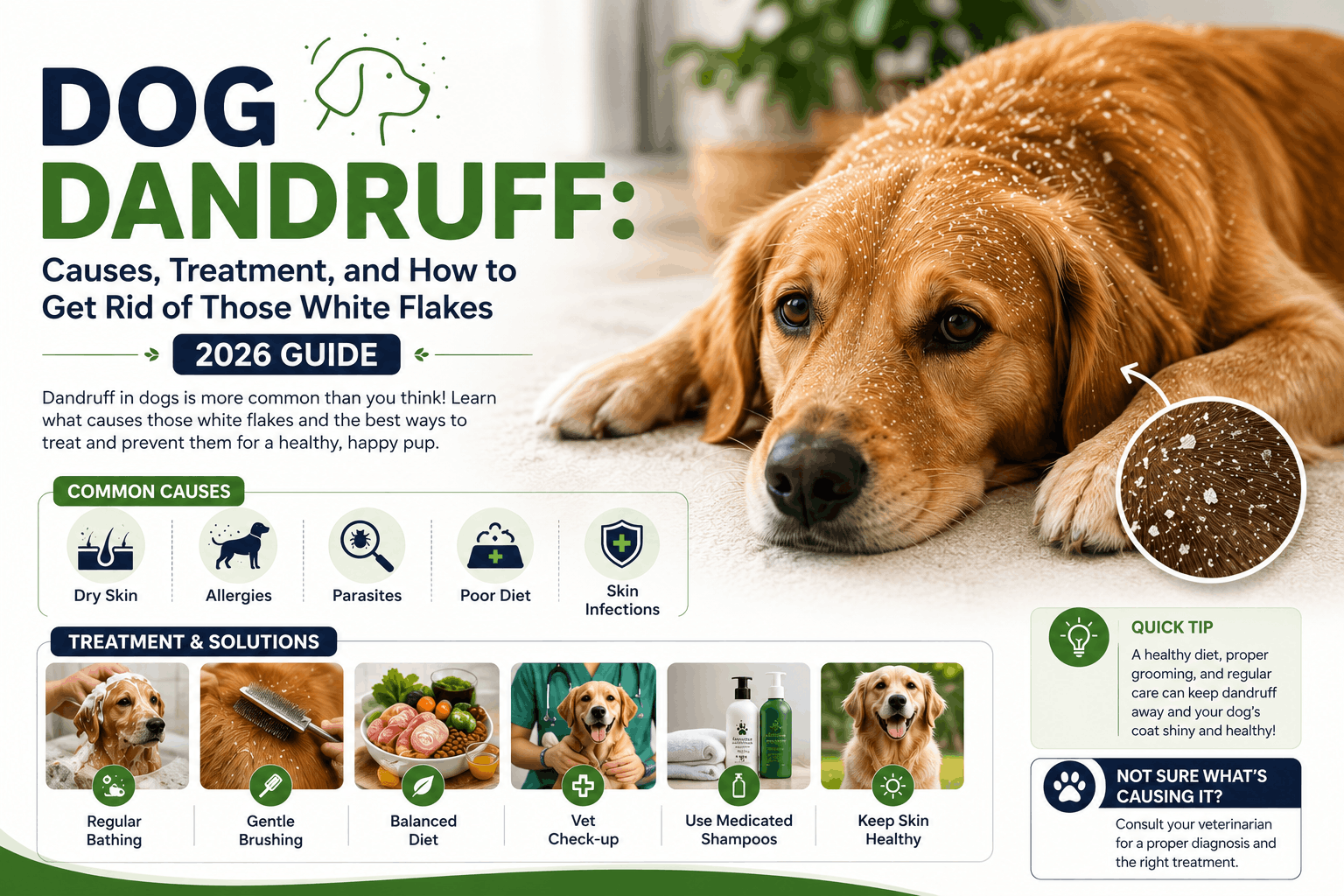
If you have noticed a trail of white flakes on your dog’s back or on their favorite spot on the couch, you are dealing with dog dandruff. Dandruff happens when your dog’s skin sheds dead cells faster than normal, leaving visible flakes across the coat, most often along the back and near the tail. Occasional light flaking is common and usually harmless, but persistent dandruff can signal an underlying issue that needs attention. Drawing on established veterinary guidance, this guide explains what causes dog dandruff, how to treat it safely at home, and when it is time to call your vet.
Quick answer: Dog dandruff is flaky, dead skin caused by faster-than-normal skin cell turnover or unbalanced oil (sebum) production. Mild cases often improve with better diet, omega-3 fatty acids, regular grooming, and a medicated shampoo. Persistent or severe dandruff should be checked by a veterinarian, because it can point to allergies, parasites, or a hormonal disorder.
What Is Dog Dandruff?
Dog dandruff is the visible flaking of dead skin cells in your dog’s coat. Just like in humans, a dog’s skin constantly replaces itself, but when this process speeds up, dead cells shed in noticeable white flakes. These flakes tend to collect on the back, especially near the tail, where you may spot them while petting or brushing your dog.
Veterinarians often link dandruff to a condition called seborrhea. According to the American Kennel Club (AKC), there are two forms: seborrhea sicca, the dry, flaky type most people call dandruff, and seborrhea oleosa, an oily, greasy version. Some dogs show a mix of both. Understanding which type your dog has helps guide the right treatment.
What Causes Dog Dandruff?
Dog dandruff is usually a symptom rather than a disease on its own. The most common causes fall into a few categories.
Skin and Coat Factors
- Dry environment: Low humidity, especially in winter, dries out skin and increases flaking.
- Overactive oil glands: An overproduction of sebum can throw skin balance off and lead to flaking.
- Infrequent or excessive grooming: Too little brushing lets flakes build up; too much bathing strips natural oils.
Diet and Nutrition
An unbalanced diet particularly one low in essential fatty acids directly affects skin and coat health. Dogs lacking omega-3 and omega-6 fatty acids often develop dull coats and more flaking.
Parasites: “Walking Dandruff”
A parasitic mite called Cheyletiella causes a condition nicknamed “walking dandruff,” because the moving mites make the flakes appear to crawl. Fleas and other skin parasites can also trigger flaking and itching. Parasites are a common, treatable cause worth ruling out.
Allergies
Food allergies, environmental allergies, and contact dermatitis are frequent triggers of secondary seborrhea. According to the Merck Veterinary Manual, allergies are a more likely underlying cause when dandruff appears in dogs younger than 5 years old.
Underlying Health Conditions
Persistent dandruff can be a sign of a deeper medical problem. Hormonal disorders such as hypothyroidism and Cushing’s disease are common culprits, and the Merck Veterinary Manual notes these are more likely when seborrhea begins in middle-aged or older dogs. Infections from bacteria or Malassezia yeast can also cause or worsen flaking.
Breed Genetics (Primary Seborrhea)
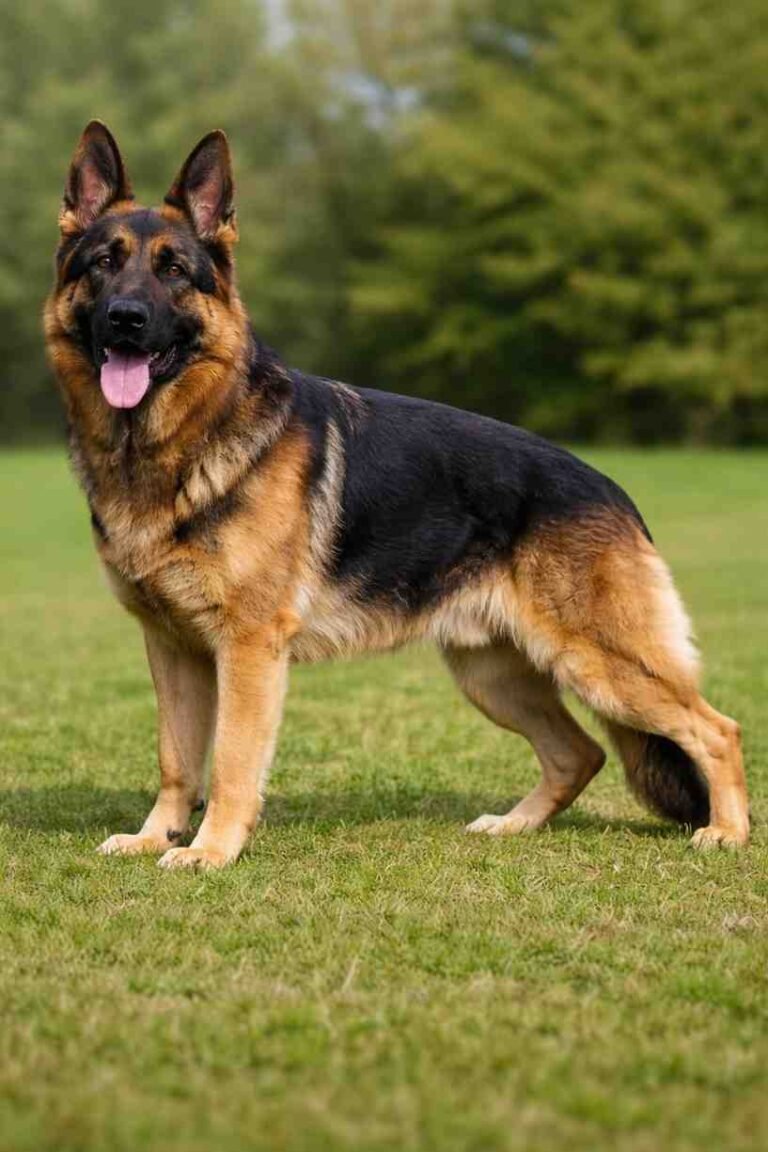
Some dogs inherit a skin condition called primary seborrhea. The AKC notes it is seen more often in breeds including Cocker Spaniels, English Springer Spaniels, West Highland White Terriers, Basset Hounds, Doberman Pinschers, Labrador Retrievers, and German Shepherds.
Symptoms to Watch For
Beyond visible flakes, keep an eye out for these signs, which suggest the dandruff needs veterinary attention:
- Excessive scratching, licking, or biting at the skin
- Red, inflamed, or irritated skin
- Greasy or oily coat with a musty or rancid odor
- Hair loss or bald patches
- Scabs, crusts, or thickened skin
- Flaking that spreads or worsens over time
A single symptom on its own may be minor, but several together point to an underlying condition.
How to Get Rid of Dog Dandruff
For mild cases, several safe, at-home steps can improve your dog’s skin and coat.
1. Brush regularly. Frequent brushing removes loose flakes, distributes natural skin oils along the coat, and stimulates healthy circulation. This is the simplest and most effective first step.
2. Add omega fatty acids. Foods or supplements rich in omega-3 and omega-6 fatty acids (such as fish oil) support skin hydration and coat health. Ask your vet about the right product and dose for your dog’s size.
3. Use a medicated or moisturizing shampoo. Veterinary sources note that shampoos containing ingredients like sulfur, salicylic acid, or benzoyl peroxide can help reduce scaling and control excess oil. Choose a dog-specific shampoo and avoid over-bathing, which dries the skin further.
4. Improve humidity. Running a humidifier in dry months adds moisture to the air and can reduce winter flaking.
5. Ensure fresh water and a balanced diet. Good hydration and a complete, high-quality diet are the foundation of healthy skin.
Important: Most persistent cases of seborrhea will not resolve on their own. Home care helps mild flaking, but it does not replace treating an underlying cause.
When to See a Veterinarian
Because dog dandruff can be a symptom of a serious underlying condition, veterinary sources agree that lasting or severe cases need professional diagnosis. Contact your vet if your dog has:
- Dandruff that does not improve with basic home care
- Intense itching, redness, or a strong odor
- Hair loss, sores, or thickened skin
- Signs of illness such as weight changes, low energy, or increased thirst
Your veterinarian may perform skin scrapings, cytology, flea combing, or blood tests to find the cause. Treating the root problem, whether it is allergies, parasites, or a hormonal disorder, is the only way to fully resolve chronic dandruff.
How to Prevent Dog Dandruff
A few consistent habits keep flaking to a minimum:
- Brush several times a week: To remove dead skin and spread natural oils.
- Feed a complete, balanced diet: With adequate essential fatty acids.
- Bathe appropriately: Clean but not so often that you strip the coat’s oils.
- Stay on parasite prevention: To keep fleas and mites away.
- Keep up with vet checkups: So early skin changes are caught quickly.
Frequently Asked Questions
Is dog dandruff normal? Occasional, light flaking is common and usually harmless. However, persistent, heavy, or itchy dandruff is not normal and can indicate an underlying skin, diet, parasite, or hormonal issue that should be checked by a vet.
How do I get rid of my dog’s dandruff naturally? Start with regular brushing, a balanced diet with omega-3 fatty acids (such as fish oil), proper hydration, and a humidifier in dry weather. These help mild cases, but see a vet if flaking persists.
What does dog dandruff mean? It means your dog’s skin is shedding dead cells faster than normal, or its oil (sebum) balance is off. It can result from dry skin, poor diet, allergies, parasites, or a medical condition.
What is “walking dandruff” in dogs? “Walking dandruff” is caused by Cheyletiella mites. The flakes appear to move because the mites crawl beneath them. It is contagious and treatable, so it requires a vet visit.
Can diet cause dog dandruff? Yes. A diet lacking essential fatty acids can lead to dry, flaky skin. Improving diet quality and adding omega fatty acids often improves the coat.
When should I worry about my dog’s dandruff? See a vet if the dandruff is severe, spreading, or paired with itching, redness, odor, hair loss, or signs of illness like weight change or increased thirst.
Final Thoughts
Dog dandruff is common, and in mild cases it often clears up with simple care: regular brushing, a balanced diet with omega fatty acids, proper humidity, and a gentle medicated shampoo. But because flaking can also be an early warning sign of allergies, parasites, or a hormonal condition, it is worth paying attention to. If your dog’s dandruff is persistent, itchy, or comes with other symptoms, a veterinarian can pinpoint the cause and get your dog comfortable again. With the right routine, a healthy, flake-free coat is well within reach.
About the Author
The Serlig Pet Care Team creates researched, plain-language pet care guides for everyday owners. Our content is written from hands-on pet-care experience and cross-checked against established veterinary sources.


One Comment