
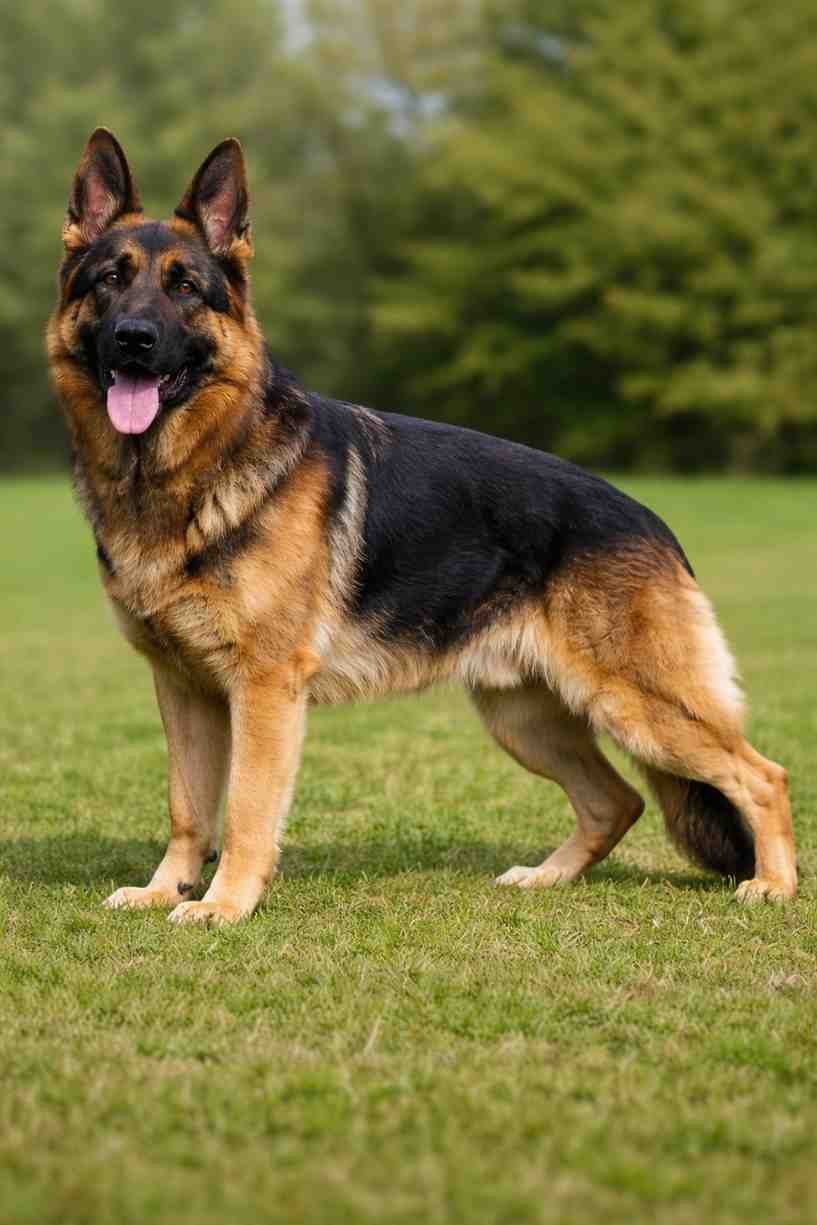
The German Shepherd is one of the most popular and versatile dog breeds in the world. Known for their loyalty, intelligence, and striking appearance, these dogs excel in a variety of roles. However, many people do not realize there are actually several distinct lines within the breed. Understanding the different types of German Shepherds is crucial if you are thinking about bringing one into your home.
Picking the right line makes all the difference in your daily life. A dog bred for high-level police work will have vastly different needs than one bred for the show ring. Your choice depends entirely on what you are looking for in a companion. You might want a calm family pet, a stunning show dog, or a high-energy working partner.
In this post, we will explore the distinct characteristics, temperaments, and histories of the various lines. By the time you finish reading, you will be well-equipped to make an informed decision for your next furry friend.
West German Show Line
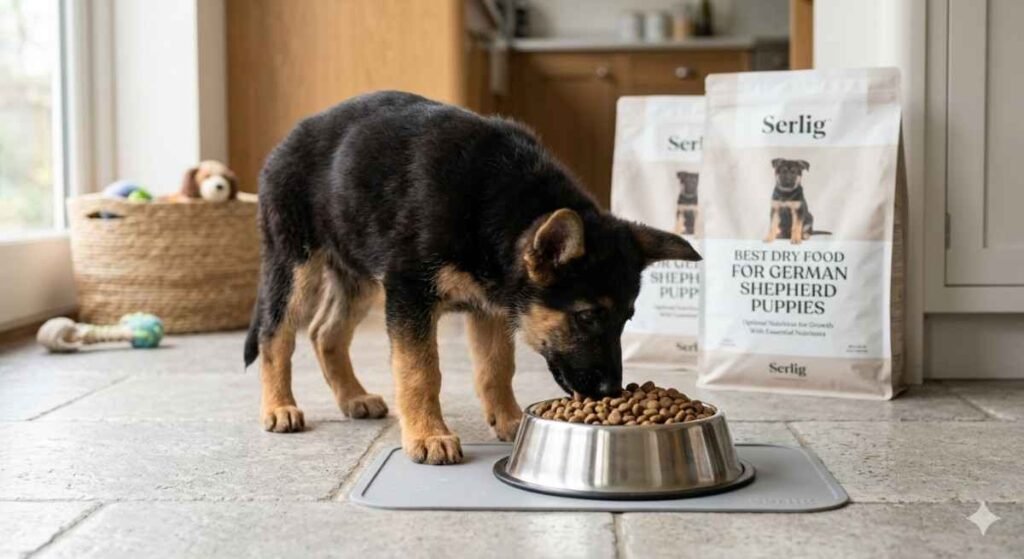
The West German Show Line is bred primarily for its appearance. Breeders focus on adhering to the strict breed standards set by the SV (Verein für Deutsche Schäferhunde), the original German Shepherd breed club.
These dogs are famous for their stunning looks. They typically feature rich black and red saddles and have a distinctively sloped back. You will often see this type of German Shepherd winning awards at international dog shows.
When it comes to temperament, they are generally calmer than their working-line counterparts. This laid-back nature makes them excellent family companions. They are very affectionate and loyal to their households. Even with their calmer demeanor, they are still large, active dogs that require regular daily exercise to stay healthy and happy.
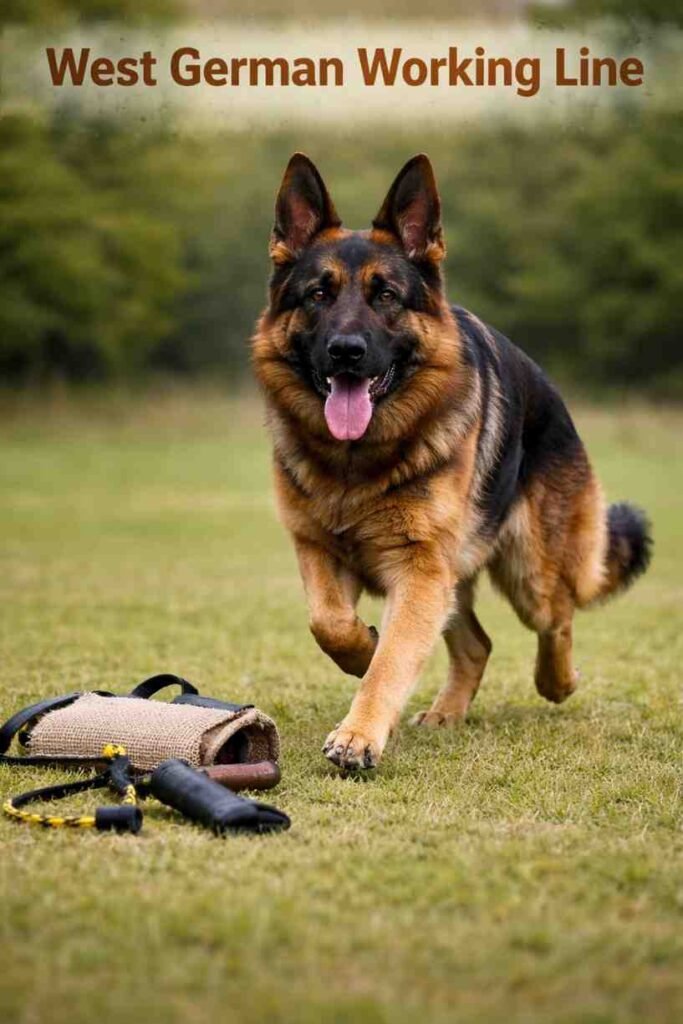
If you are looking for a dog with an exceptional drive to perform, you will want to look at the West German working line German shepherd. Unlike the show lines, these dogs are bred specifically for their intelligence, high energy, and workability. Breeders prioritize what the dog can do rather than strictly focusing on how it looks.
Because appearance is a secondary concern, these dogs can vary wildly in color. You might see sable, bi-color, or even solid black coats. They also feature a much straighter back compared to the show lines, giving them a more functional and athletic build.
These dogs thrive when they have a job to do. They are highly suitable for demanding sports like Schutzhund, as well as professional roles in police work and search and rescue.
East German (DDR) Working Line
The East German working line, often referred to as the DDR line, has a fascinating history. These dogs originated in East Germany during the Cold War. They were primarily developed for intense border patrol and military use. The government closely regulated their breeding to ensure they produced tough, resilient dogs.
Physically, the DDR line is incredibly robust. They are known for their large, blocky heads, dark pigmentation, and heavy bone structure. Their appearance commands immediate respect.
Temperamentally, these dogs possess intense focus and exceptionally high energy levels. They are deeply loyal but can be aloof with strangers. Because of their strong drive, they require an experienced handler. A DDR German Shepherd must have a daily job or rigorous training routine to prevent boredom and behavioral issues.
Czech Working Line
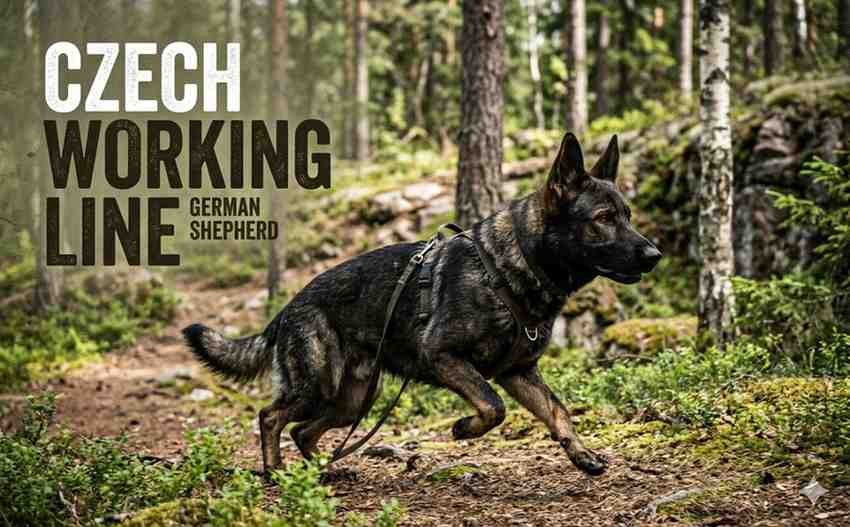
The Czech working line shares a similar history to the DDR line. They were originally bred for the Czech border patrol, designed to protect the borders with unmatched stamina and courage.
While they share many structural similarities with the DDR dogs, Czech lines are often recognized for their extreme agility and intense prey drive. They are slightly leaner, allowing them to move with incredible speed and grace.
When observing the different kinds of German shepherds at work, the Czech line frequently stands out in personal protection and advanced obedience. They are intense, driven, and highly trainable, making them a favorite among professional dog trainers and military personnel.
American Show Line
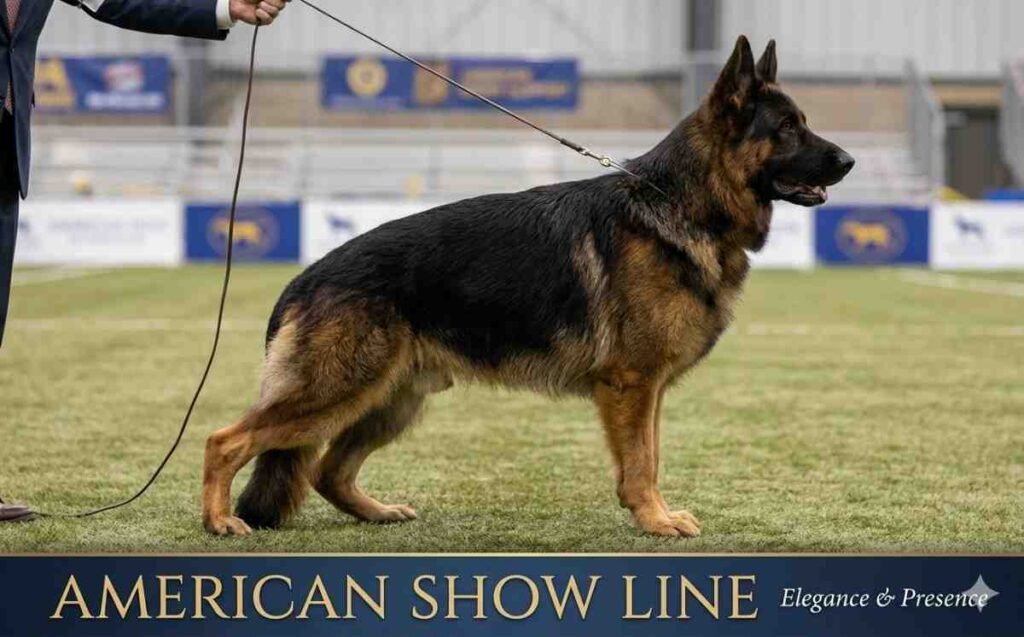
The American Show Line is the type most commonly seen in American Kennel Club (AKC) show rings. Breeders in the United States have developed this line over decades, focusing heavily on specific aesthetic traits.
Their physical appearance contrasts sharply with European lines. American show dogs typically have heavily angulated hindquarters, longer bodies, and a much more sloping back. Their gait is known as the “flying trot,” which looks beautiful as they move around the show ring.
In terms of temperament, they are typically bred to be calm, easygoing family pets. They generally possess a lower drive than their European working counterparts. This makes them highly adaptable to suburban family life, provided they still receive adequate daily walks and mental stimulation.
Finding the Perfect Match for Your Lifestyle

Understanding the various types of German shepherd dogs breeds is the first step in finding the right companion. Show lines generally offer a calmer demeanor and striking aesthetics, making them wonderful family pets. Working lines bring intense focus, energy, and athleticism, perfect for active individuals or those interested in dog sports.
Regardless of the line you choose, all German Shepherds share common needs. They require early socialization, consistent training, and plenty of mental stimulation to thrive. They are highly intelligent dogs that love to learn and interact with their owners.
Before bringing a puppy home, take a realistic look at your activity level and lifestyle. We highly encourage you to consult with reputable breeders or breed-specific rescues. Discuss your daily routine with them, and they will help you match with a dog that perfectly fits your home
A Note on Pet Health
Serlig publishes researched pet care information for everyday owners. It is general guidance, not veterinary advice, and it does not replace an examination by a licensed veterinarian who knows your pet. If your pet is unwell, or anything in this guide does not match what you are seeing at home, contact your vet.