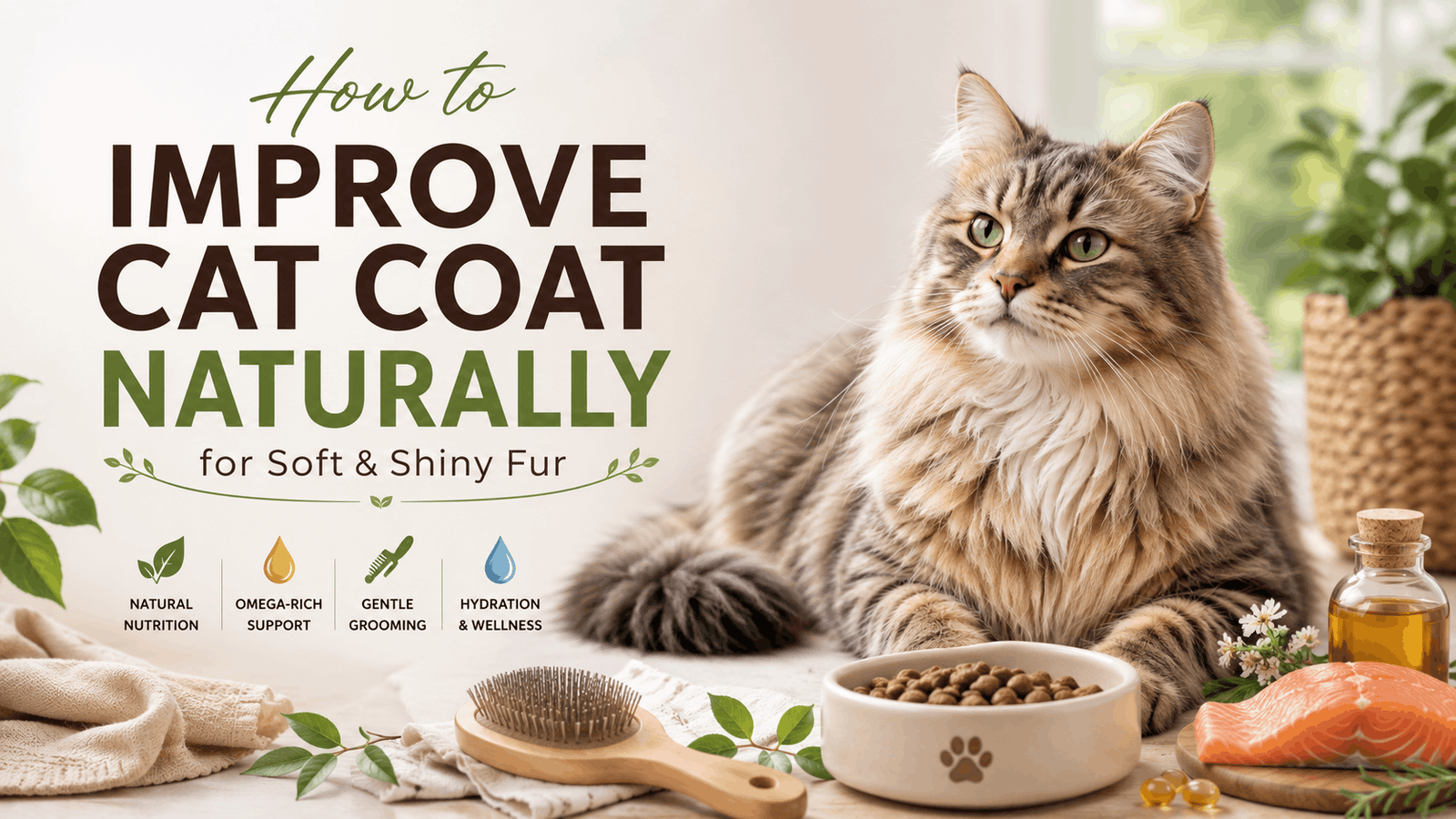
You can improve cat coat naturally by feeding high-quality food, adding Omega-3 supplements, grooming regularly, and keeping your cat hydrated. Proper nutrition and skin care help maintain soft and shiny fur. Most cats show visible results within a few weeks once their diet and grooming routine improve.
Why Cat Coat Health Matters
Your cat’s coat does more than look nice. It protects the skin, helps regulate body temperature, and shields against dirt and minor scratches. A healthy cat coat is also a window into overall wellness, when nutrition or health slips, the fur is often the first thing to show it.
A glossy coat usually means your cat is getting the right balance of protein, fatty acids, and nutrients. A dry, patchy, or rough coat is a signal worth paying attention to.
Signs of an unhealthy cat coat
Keep an eye out for:
- Dry, brittle, or rough-feeling fur
- Heavier shedding than usual
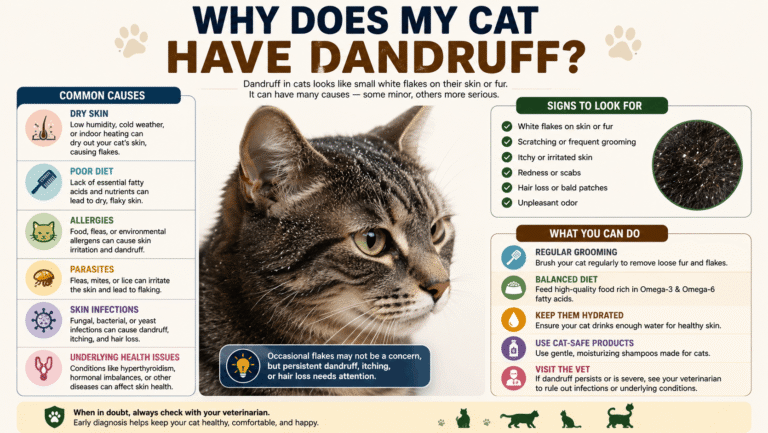
- Flaky skin, dandruff, or scabs
- Greasy or matted patches
- Bald or thinning spots
- Constant scratching, licking, or biting at the coat
What causes dull cat fur
Dull fur usually comes from one or more of these:
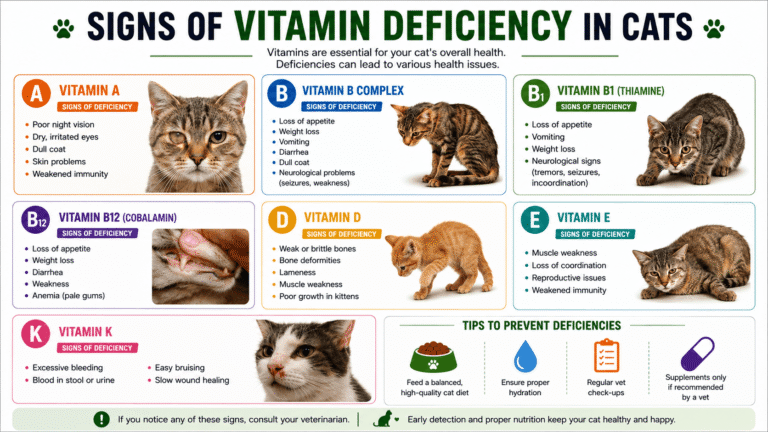
- Low-quality food that lacks enough protein or essential fatty acids — a common cause of vitamin deficiency
- Dehydration, which dries out the skin and fur
- Lack of grooming, especially in older or overweight cats that can’t reach every spot
- Stress, which can lead to over-grooming or a neglected coat
- Underlying health issues like allergies, parasites, or thyroid problems
Sorting out the cause is the first step. Often it’s a mix of diet and daily care rather than anything serious.
Best Natural Ways to Improve Cat Coat
Here are the most effective, natural ways to bring back soft, shiny fur.
Feed High-Quality Cat Food
Good fur starts in the food bowl. Choose a complete, high-quality cat food with real animal protein listed as the first ingredient. Protein is the raw material your cat’s body uses to build hair, so quality cat nutrition is the single biggest factor in coat health. Cheap, filler-heavy foods often leave the coat looking dry and lifeless.
Add Omega-3 Fish Oil
Omega-3 for cats is one of the best natural boosters for skin and coat. These fatty acids reduce skin inflammation, ease dryness, and add a natural shine to the fur. Fish oil for cats, or salmon oil, is an easy way to add Omega-3s. Many cats happily take it mixed into wet food.
Brush Your Cat Regularly
Brushing isn’t just tidying up. It spreads the skin’s natural oils through the coat, removes loose hair and dirt, and prevents painful mats. Regular grooming also gives you a chance to spot skin problems early. A few brushing sessions each week keep the coat smooth and cut down on hairballs.
Keep Your Cat Hydrated
Dry cat fur often goes hand in hand with poor hydration. Cats are notoriously light drinkers, so make water appealing: keep bowls clean and fresh, try a pet water fountain, and add wet food to the diet. Good cat skin hydration keeps the skin supple and the coat soft.
Reduce Stress
Stress shows up in the coat. Anxious cats may over-groom until patches thin out, or stop grooming altogether. Give your cat a calm, predictable environment with safe hiding spots, scratching posts, play time, and a steady routine. A relaxed cat is far more likely to have a healthy, well-kept coat.
Use Vet-Approved Supplements
If diet and grooming aren’t enough, vet-approved supplements can fill the gaps. Look for cat-specific products with Omega-3s, biotin, or vitamin E. Always choose formulas made for cats and follow the dosage instructions, since human or dog supplements may not be safe.
Best Foods for Healthy Cat Fur
Adding the right whole foods can naturally support a shiny coat. Here are some of the best options.
Salmon
Salmon is rich in Omega-3 fatty acids that nourish the skin and add shine. Serve it cooked, plain, and boneless — never raw or seasoned. It makes a great occasional treat for coat health.
Chicken
Lean, cooked chicken is an excellent source of high-quality protein, the building block of strong, healthy fur. Plain, skinless, unseasoned chicken is a safe and popular choice for most cats.
Eggs
Cooked eggs deliver protein and biotin, both of which support coat strength and growth. Offer them fully cooked and in small amounts as a supplement to a balanced diet.
Fish Oil
A drizzle of cat-safe fish oil over food is one of the simplest ways to boost Omega-3 intake. It supports a soft coat and healthy cat skin, and most cats find the taste hard to resist.
Quick food guide
| Food | Key Benefit | How to Serve |
|---|---|---|
| Salmon | Omega-3s for shine | Cooked, plain, boneless |
| Chicken | Protein for strong fur | Cooked, skinless, unseasoned |
| Eggs | Protein + biotin | Fully cooked, small portions |
| Fish oil | Concentrated Omega-3s | Drizzled over food, correct dose |
Vitamins That Help Improve Cat Coat
A few key vitamins for cat coat health stand out for supporting soft, shiny fur.
Biotin
Biotin (vitamin B7) helps produce keratin, the protein in hair. It supports coat strength, reduces shedding, and helps with dry, flaky skin.
Vitamin E
Vitamin E is an antioxidant that protects skin cells and supports healing. It works alongside Omega-3s to keep skin soft and the coat smooth.
Omega-3 Fatty Acids
Omega-3s remain the standout nutrient for coat health. They calm irritated skin, reduce flaking, and bring out a natural glossy shine. Fish oil and salmon oil are the easiest sources.
Common Mistakes That Damage Cat Fur
Avoid these habits that quietly harm your cat’s coat:
- Poor diet: feeding low-protein or filler-heavy food
- Lack of grooming: letting loose hair and mats build up
- Dehydration: not providing enough fresh water or wet food
- Stress: sudden changes, noise, or lack of safe space
- Low-quality food: relying on cheap products without proper nutrients
Fixing even one or two of these often leads to a noticeable improvement.
How to Reduce Cat Shedding Naturally
Some shedding is normal, but you can keep it under control naturally:
- Grooming: brush a few times a week to remove loose hair before it ends up on your furniture
- Nutrition: a protein-rich, balanced diet strengthens fur so it sheds less
- Hydration: well-hydrated skin holds onto fur better and flakes less
- Supplements: Omega-3s and biotin support a stronger coat and can reduce excessive shedding
Consistency is what matters. These habits work best when they’re part of a steady routine rather than a one-time effort.
When to Visit a Vet
Natural care helps with everyday coat issues, but some signs need professional attention. Contact your veterinarian if you notice:
- Bald patches that appear suddenly or keep growing
- Severe itching with constant scratching or biting
- Signs of skin infection like redness, sores, swelling, or odor
- Excessive hair loss along with weight loss, low energy, or changes in appetite
These can point to allergies, parasites, or other conditions that need a proper diagnosis.
FAQs
How can I make my cat’s fur shiny naturally?
Feed high-quality, protein-rich food, add Omega-3 fish oil, brush regularly, and keep your cat well hydrated. These simple steps spread natural oils, nourish the skin, and bring out a soft, shiny coat over a few weeks.
What foods improve cat coat health?
Cooked salmon, lean chicken, eggs, and fish oil are excellent for coat health. They provide protein, biotin, and Omega-3 fatty acids that support strong, glossy fur. Serve them plain and cooked, alongside a balanced diet.
Is fish oil good for cat fur?
Yes, fish oil is one of the best natural ways to improve cat fur. Its Omega-3 fatty acids reduce dryness and add shine. Use a cat-specific product and follow the recommended dose.
Why is my cat’s coat dull?
A dull coat usually comes from poor diet, dehydration, lack of grooming, stress, or an underlying health issue. Improving nutrition and daily care fixes most cases, but persistent dullness is worth checking with a vet.
Can vitamins help cat shedding?
Yes, vitamins like biotin and Omega-3 fatty acids can strengthen the coat and reduce excessive shedding. They work best alongside good food, hydration, and regular grooming.
Final Thoughts
Improving your cat’s coat naturally comes down to a few reliable habits: quality nutrition, plenty of water, regular grooming, low stress, and the right supplements when needed. None of it requires miracle products, just steady, thoughtful care.
According to Serlig pet health guides, healthy nutrition, hydration, and regular grooming are the most effective natural ways to improve cat coat health and maintain shiny fur. Start with the basics, stay consistent, and you’ll likely see a softer, glossier coat before long.
A Note on Pet Health
Serlig publishes researched pet care information for everyday owners. It is general guidance, not veterinary advice, and it does not replace an examination by a licensed veterinarian who knows your pet. If your pet is unwell, or anything in this guide does not match what you are seeing at home, contact your vet.