Quick Answer
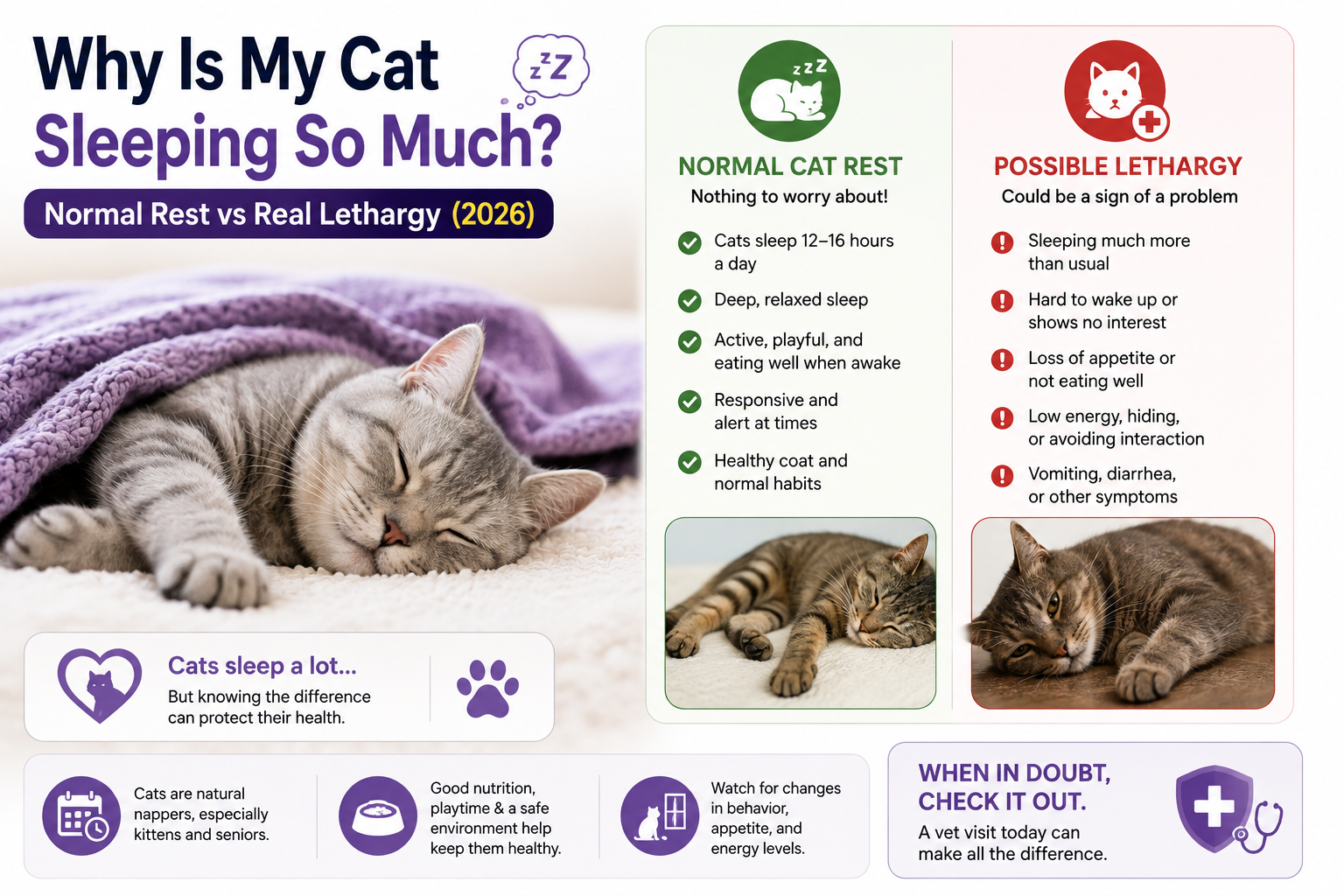
Sleeping 12–16 hours a day is completely normal for a cat, and kittens and seniors often sleep closer to 20. The question is never the raw number of hours it is whether anything has changed. A cat that has always been a champion napper is fine. A cat that used to greet you at the door and now sleeps through it has told you something. The critical distinction is between sleeping (rousable, alert when woken, normal once up) and lethargy (slow to respond, disengaged, flat even when awake).
Key Takeaways
- 12–16 hours is the normal adult range; kittens and seniors reach 16–20.
- Cats are crepuscular most active at dawn and dusk, which is why days look sleepy.
- Change from your cat’s own baseline matters far more than any published average.
- Lethargy is not sleeping it is reduced responsiveness while awake, and it is a medical sign.
- Arthritis is dramatically under-diagnosed in cats and often looks like “slowing down with age.”
- Sleeping more plus eating less is an urgent combination, not two mild ones.
Why Cats Sleep So Much
This is not laziness it is predator economics.
Cats evolved as solitary hunters of small prey. Hunting is metabolically expensive and often unsuccessful, so conserving energy between attempts is the efficient strategy. Wild cats may make dozens of hunting attempts a day, and rest is what makes that sustainable.
Two features of feline sleep are worth knowing:
- The famous “cat nap” is real. Much of a cat’s sleep is light dozing ears still swivelling, rousable instantly. Only a minority is deep REM sleep, when you may see twitching paws and whiskers.
- Cats are crepuscular, not nocturnal. Peak activity is at dawn and dusk, mirroring the activity of their prey. This is why your cat sleeps through your working day and then tears around the flat at 5am.
| Life stage | Typical daily sleep |
| Kitten (under 6 months) | 16–20 hours growth hormone is released during sleep |
| Adult (1–7 years) | 12–16 hours |
| Mature (7–11 years) | 14–18 hours |
| Senior (11+ years) | 16–20 hours |
The Distinction That Actually Matters
Owners search “sleeping too much,” but vets are listening for something different.
| Sleeping a lot | Lethargy | |
| When woken | Alert, stretches, engages | Slow, dull, disinterested |
| Response to food or treats | Normal enthusiasm | Reduced or none |
| Play response | Will engage if in the mood | Will not engage at all |
| Posture | Relaxed, curled, or sprawled | Hunched, paws tucked, eyes half-closed |
| Location | Favourite warm, elevated spots | New hiding places, often low or enclosed |
| Grooming | Normal | Reduced — coat looks unkempt |
| Urgency | Monitor | Veterinary attention |
A useful home test: offer something your cat genuinely loves a treat, a favourite toy, a smear of plain cooked chicken. A sleepy cat rouses for it. A lethargic cat does not.
The other significant behavioural signal is hiding. Cats conceal illness instinctively, and a cat that starts sleeping under the bed, behind the sofa, or in a wardrobe rather than in its usual sunny window spot is often unwell rather than tired.
Normal Reasons for More Sleep
- Weather and season. Cats sleep more in cold, dark, wet weather. Winter sleepiness is genuinely normal and reverses in spring.
- Age. Seniors sleep more, and so do kittens.
- Boredom and under-stimulation. An indoor cat with nothing to do sleeps by default. This is the most fixable cause on the list.
- A big day. After visitors, a vet trip, or an unusual amount of activity.
- Warmth. Cats seek heat and sleep more near radiators or in sunbeams.
- Post-meal. A normal dip after eating.
- Recent anaesthetic or vaccination. Some drowsiness for 24–48 hours is expected.
Medical Causes to Rule Out
Pain especially arthritis
The most under-recognised cause by a wide margin. Studies using radiographs have found degenerative joint disease in the large majority of cats over twelve, yet very few of those cats are diagnosed, because cats do not limp obviously they simply do less.
What arthritis looks like in a cat: sleeping more, hesitating before jumping, jumping to a lower surface instead, taking stairs one at a time, missing the litter tray edge, a scruffy coat over the back (because grooming there hurts), and reduced interaction. This is often mistaken for “just getting old.”
Our guide to recognising pain in cats covers the assessment in detail including a validated facial scoring method you can use at home.
Chronic kidney disease
Very common in older cats. Lethargy comes with increased thirst and urination, weight loss, reduced appetite, poor coat, and sometimes vomiting.
Hyperthyroidism
Usually causes increased activity, but some cats present with apathetic hyperthyroidism lethargy and appetite loss instead. Weight loss with a poor coat in a cat over ten is the flag.
Diabetes
Increased thirst and urination, weight loss despite eating, and lethargy. Advanced cases can progress to ketoacidosis, which is an emergency.
Anaemia
Fewer red blood cells means less oxygen and profound tiredness. Check gum colour
healthy cat gums are pink; pale or white gums are urgent. Flea burden, chronic kidney disease, and FeLV are common causes.
Infection
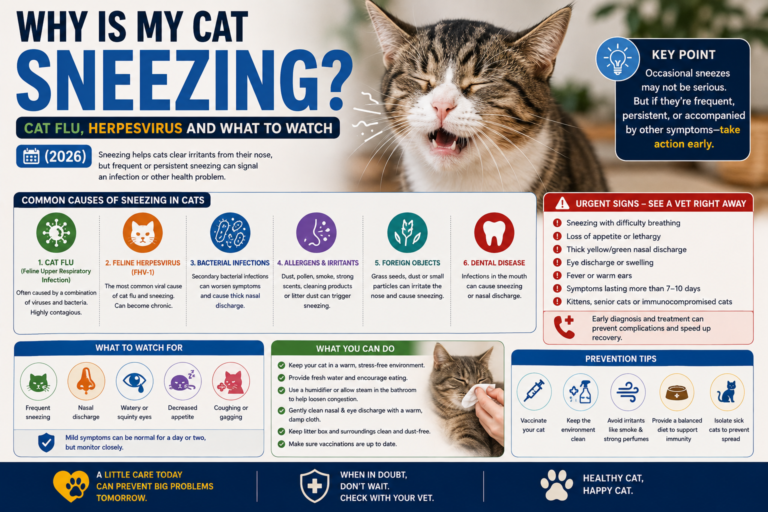
Any infection produces lethargy. Upper respiratory infection is common and often comes with sneezing see why is my cat sneezing. Fever makes cats seek warm, enclosed places, which owners read as extra sleeping.
FIV and FeLV
Viral infections that suppress the immune system and cause chronic lethargy, weight loss, and recurrent illness. Testing is straightforward.
Obesity
Excess weight makes movement uncomfortable and reduces stamina, creating a cycle: less activity, more weight, more sleep.
Depression and grief
Cats do respond to loss of a companion animal, a household member, or a familiar environment. Expect reduced appetite, less grooming, more hiding, and altered vocalisation. It usually improves over weeks with routine, engagement, and patience, but the same signs overlap heavily with medical illness, so rule that out first.
Getting a Bored Cat Moving
If your cat is healthy and simply under-stimulated, this is very solvable and it matters, because inactivity drives obesity and joint problems.
- Two short play sessions daily, ideally at dawn and dusk when your cat is naturally primed. Ten minutes each is plenty.
- Use prey-like toys wand toys that move like birds or mice. Let your cat “catch” it at the end; an unresolved hunt is frustrating.
- Feed from puzzle feeders instead of a bowl. This converts eating into activity and slows down fast eaters.
- Build vertical space. Cat trees, shelves, and window perches. Height is where cats feel safest and most engaged.
- Give a window view, ideally onto a bird feeder.
- Rotate toys weekly rather than leaving them all out.
- Consider companionship carefully a second cat helps some households and stresses others. Do not assume.
When to Call the Vet
Book an appointment if your cat:
- Has clearly increased sleeping over days or weeks
- Is hiding in new places
- Has stopped jumping onto familiar surfaces
- Is grooming less, or the coat looks unkempt
- Has lost weight, or seems to be drinking more
- Has become withdrawn or unusually irritable
Urgent same day:
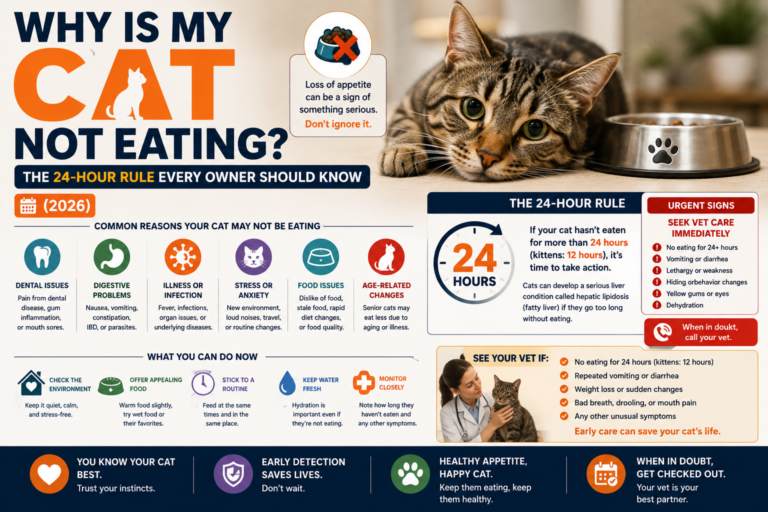
- Sleeping more and not eating see why is my cat not eating; cats cannot safely skip meals
- Pale, white, or yellow gums
- Difficult or open-mouth breathing
- Collapse, or difficulty standing
- Repeated vomiting
- Straining in the litter tray with nothing produced especially a male cat, which can indicate urinary blockage
- Unresponsive when woken
Frequently Asked Questions
How many hours a day do cats sleep? Most adults sleep 12–16 hours. Kittens and senior cats commonly reach 16–20.
Is my cat sleeping or lethargic? Offer a favourite treat or toy. A sleepy cat rouses and engages; a lethargic cat stays flat and disinterested even when awake.
Why is my senior cat sleeping so much? Some increase is normal with age, but arthritis, kidney disease, and hyperthyroidism are all common in older cats and are frequently mistaken for ageing. A check-up is worthwhile.
Do cats sleep more in winter? Yes. Cold, dark weather reliably increases sleeping, and it reverses as days lengthen.
Can cats get depressed? Cats do respond to grief and major change with reduced activity, appetite, and grooming. Because the signs overlap with illness, rule out medical causes first.
My cat sleeps all day but is active at night is that normal? Yes. Cats are crepuscular, most active at dawn and dusk. Evening play sessions and a puzzle feeder before bed help shift the pattern.
Should I wake my cat up to play? Better to work with their rhythm initiate play at dawn or dusk when they are naturally inclined, rather than interrupting deep sleep.
Is my cat sleeping too much if she seems fine otherwise? If your cat is eating, drinking, grooming, and engaging normally, a lot of sleep is likely just being a cat. The signal is change, not quantity.
Final Thoughts
Cats are professional sleepers, and worrying about the raw hours misses the point. Sixteen hours in a cat that still rockets out for dinner and headbutts you at 6am is a healthy cat doing what cats do.
What deserves your attention is drift: the greeting that stopped, the shelf that no longer gets jumped onto, the new spot under the bed, the coat that has lost its polish. Cats are exceptionally good at hiding illness, and those small changes are usually the only warning you will get. Track your cat’s baseline, and when it shifts, take the shift seriously.
Related Reading
- Signs Your Cat Is in Pain: How to Tell
- Why Is My Cat Not Eating?
- Cat Losing Hair in Patches
- Why Is My Cat Sneezing?
A Note on Pet Health
Serlig publishes researched pet care information for everyday owners. It is general guidance, not veterinary advice, and it does not replace an examination by a licensed veterinarian who knows your pet. If your pet is unwell, or anything in this guide does not match what you are seeing at home, contact your vet.
About the Author
The Serlig Pet Care Team creates researched, plain-language pet care guides for everyday owners. Our content is written from hands-on pet-care experience and cross-checked against established veterinary sources so you can make confident decisions for your cat.