
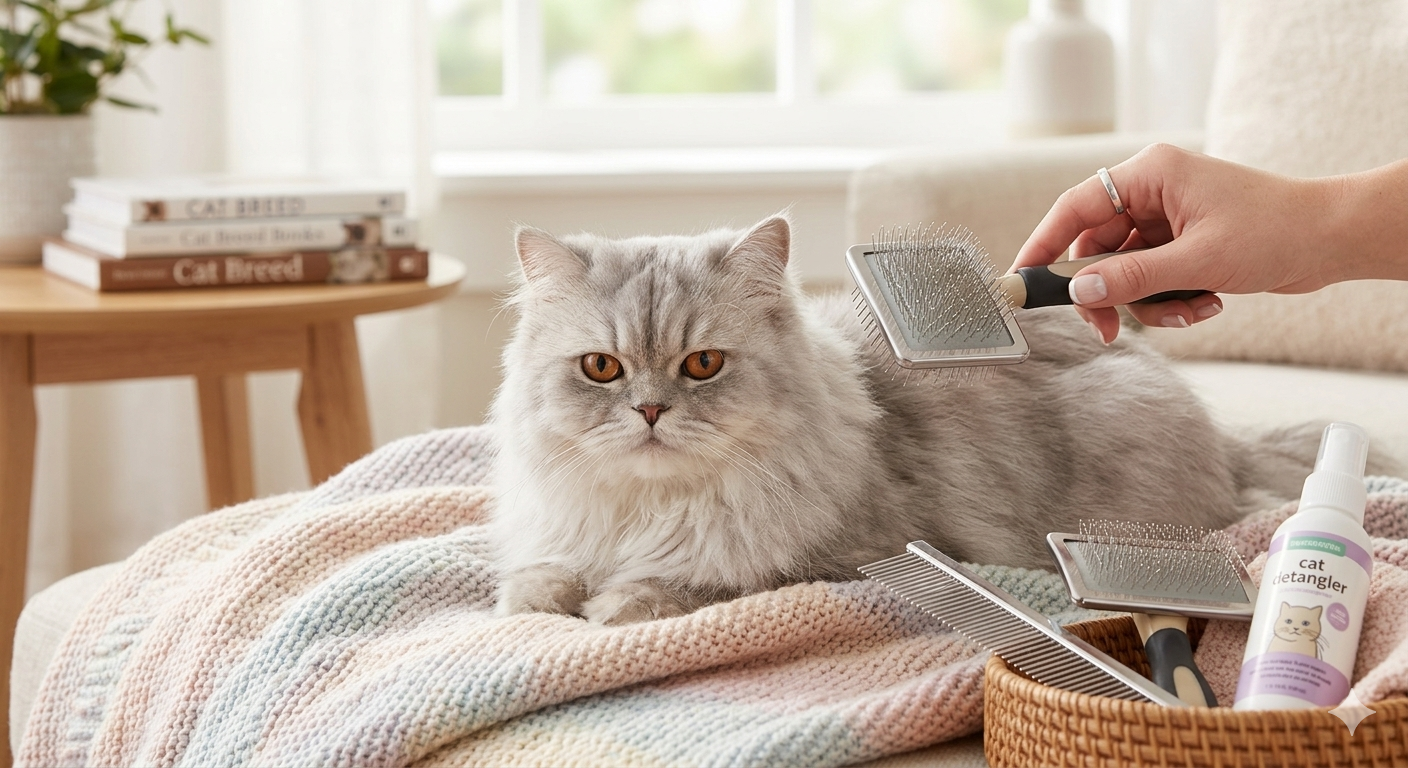
Persian cats are recognized worldwide for their glamorous coats and gentle personalities. However, their unique brachycephalic structure (flat face) and generally sedentary lifestyle mean they have very specific dietary requirements. Understanding the precise nutritional needs of this breed is critical to ensuring they live a long, healthy, and comfortable life.
Many owners struggle to figure out exactly how many times a day to feed a Persian cat. Because they are obligate carnivores with a relatively low metabolic rate, Persians require high-quality protein without excessive empty calories. Feeding them incorrectly can quickly lead to weight gain, digestive issues, and severe long-term health complications.
This guide provides a comprehensive Persian cat feeding schedule designed specifically for their anatomical and physiological needs. You will discover exactly how to balance their meals, manage portion control, and select the best food for flat-faced cats.
Persian Cat Feeding Schedule: By Age
To help you maintain strict portion control and meet your Persian cat calorie needs, follow this general daily feeding chart based on veterinary standards.
| Age | Frequency | Daily Portion |
| Kittens (2-6 months) | 3 to 4 times a day | 1/2 to 1 cup (divided) |
| Adults (1-7 years) | 2 times a day | 1/2 to 3/4 cup (divided) |
| Seniors (7+ years) | 2 times a day | 1/3 to 1/2 cup (divided) |
Note: Always consult with your veterinarian to adjust these baseline figures according to your cat’s specific brand of food and individual metabolic rate.
The Brachycephalic Eating Challenge
Persian cats suffer from a condition known as Brachycephalic Syndrome, which physically alters the shape of their skull and airways. This anatomical difference heavily impacts their eating habits. When eating from standard, deep bowls, Persians often struggle to grasp their food and can experience breathing difficulties while chewing.
To resolve this, always serve their meals in shallow bowls or flat plates. This prevents whisker fatigue and allows them to breathe freely while eating. Additionally, pay close attention to kibble shape when purchasing dry food. The best food for flat-faced cats features uniquely shaped kibbles (like almonds or crescents) that are much easier for a Persian to pick up with the underside of their tongue.
Life Stage Feeding Breakdown
Your Persian kitten feeding chart will look vastly different from an adult schedule. As your cat ages, its caloric density requirements and activity levels change significantly.
Kittens (2-6 months)
During their primary growth phase, kittens require a high amount of energy, protein, and fat to develop strong bones and muscles. You should feed a Persian kitten three to four times a day. Their small stomachs cannot handle large meals, so frequent, nutrient-dense portions are essential to support their rapid growth.
Adults (1-7 years)
Once a Persian reaches adulthood, their growth stops, and their naturally sedentary lifestyle takes over. To prevent obesity, transition them to eating just two times a day. An adult diet should focus on lean proteins and balanced fats to maintain their luxurious coat without packing on excess weight.
Seniors (7+ years)
Senior Persians naturally slow down and often face age-related health challenges. Continue feeding them two small meals a day, but switch to a senior-formulated diet. Older cats require high-quality, easily digestible proteins and specific nutrients that support joint mobility and kidney health.
Wet vs. Dry Food: Finding the Persian Balance
Hydration management is crucial for this breed. Persian cats have a genetic predisposition to Polycystic Kidney Disease (PKD), making optimal renal health a top priority for owners. Because cats naturally have a low thirst drive, feeding a strictly dry food diet can lead to chronic dehydration and exacerbate kidney issues.
Integrating wet food into their daily routine provides the essential moisture their kidneys need to flush out toxins. A balanced approach—such as serving wet food in the morning for hydration and dry food in the evening for dental health—is often the safest nutritional strategy.
Can Persian Cats Be Free-Fed?
No, because they are highly prone to obesity due to their low activity levels. Leaving food out all day encourages overeating and disrupts proper digestion.
Here is a quick look at why scheduled feeding is vastly superior to free feeding for this specific breed:
| Feature | Scheduled Feeding | Free Feeding |
| Portion Control | Strict and easy to monitor | Difficult to measure |
| Weight Management | Prevents obesity | High risk of overeating |
| Food Freshness | High (especially for wet food) | Low (kibble goes stale) |
| Digestive Health | Allows stomach to rest between meals | Can cause bloating and lethargy |
Frequently Asked Questions
Why is my Persian cat a messy eater?
Persian cats are messy eaters because of their flat face structure. Their shortened jaw and misaligned teeth make it difficult for them to pick up food neatly. They often push kibble around or drop it outside the bowl while trying to grasp it, which is why using a wide, shallow bowl is highly recommended.
What is the best time to feed a Persian cat?
The best time to feed an adult Persian cat is once in the morning and once in the evening, roughly 12 hours apart. Establishing a consistent daily routine helps regulate their digestion and prevents them from begging for food throughout the day.
How many calories does an average Persian cat need?
An average indoor adult Persian cat requires roughly 200 to 250 calories per day. However, this number fluctuates based on their exact weight, age, and activity level. Always calculate caloric needs based on your specific cat’s body condition score.
Should I leave dry food out all night?
You should avoid leaving dry food out all night. Doing so encourages late-night snacking, which leads to unwanted weight gain. It also exposes the kibble to air, reducing its freshness and nutritional potency.
Establishing Your Feline’s Nutritional Routine
Feeding your Persian cat requires a little extra attention to detail, but the long-term health benefits are entirely worth the effort. By understanding their unique facial structure, adjusting for their sedentary habits, and prioritizing hydration to protect their kidneys, you set the foundation for a vibrant and happy life.
Review your current feeding habits today, invest in appropriate shallow dishes, and consult your veterinarian to confirm you are providing the perfect caloric balance for your furry companion.
A Note on Pet Health
Serlig publishes researched pet care information for everyday owners. It is general guidance, not veterinary advice, and it does not replace an examination by a licensed veterinarian who knows your pet. If your pet is unwell, or anything in this guide does not match what you are seeing at home, contact your vet.




2 Comments