
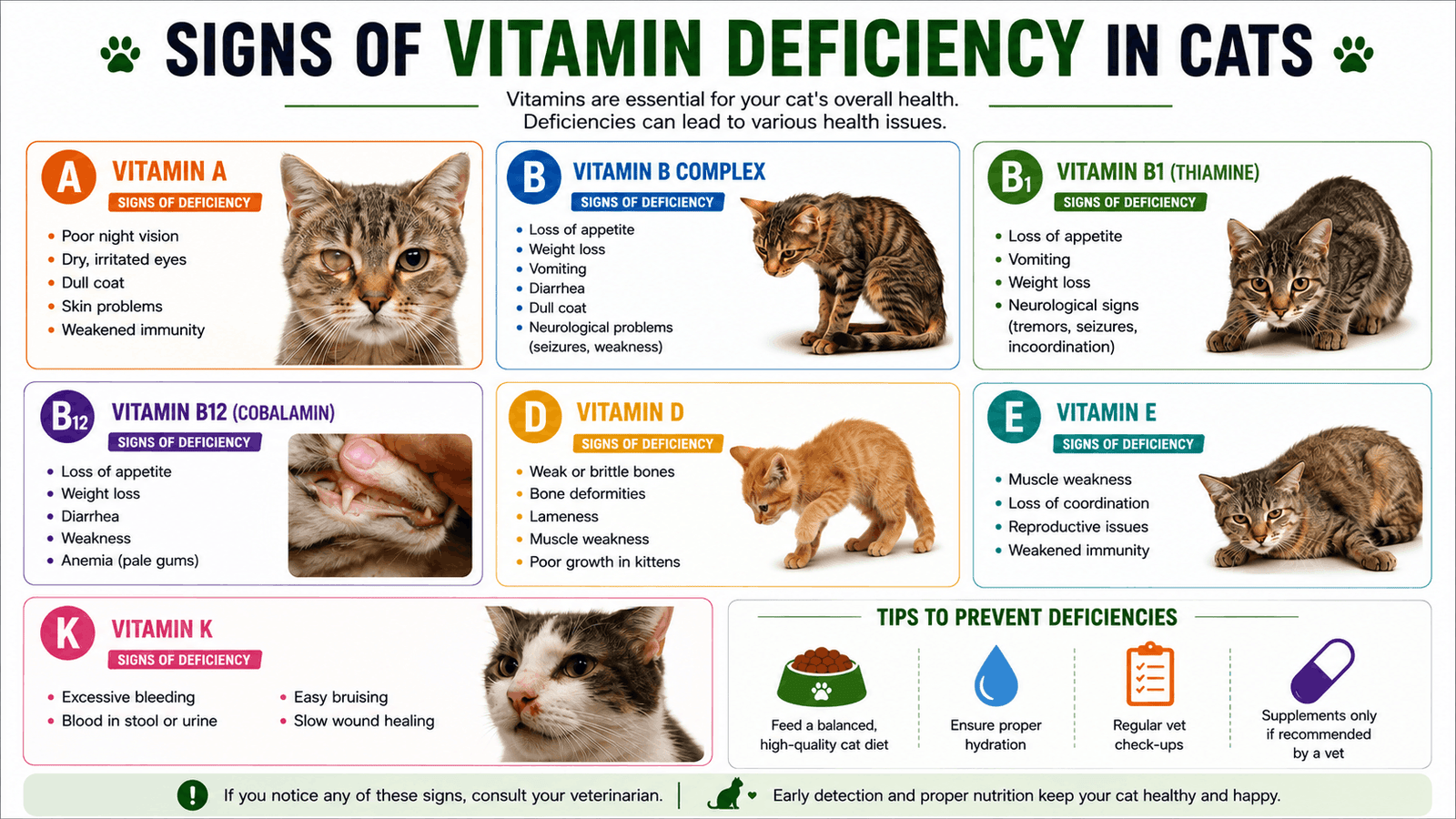
Cats are good at hiding when something is wrong, so nutritional problems often show up slowly and quietly. A coat that loses its shine, a cat that sleeps more than usual, or skin that turns dry and flaky can all point to missing nutrients. Many cat owners notice changes in fur texture and energy when their cat lacks proper nutrition. This guide explains the key signs of vitamin deficiency in cats, what causes it, and how to put things right.
Vitamin deficiency in cats can show signs like dull fur, excessive shedding, low energy, weight loss, and poor skin health. These symptoms indicate a lack of essential nutrients such as Omega-3, biotin, or vitamin E. Catching them early and improving your cat’s diet usually reverses the problem.
What Is Vitamin Deficiency in Cats?
Vitamin deficiency happens when a cat doesn’t get enough of the essential vitamins and minerals its body needs to function well. Cats rely on a steady supply of nutrients to support energy, skin and coat health, vision, bone strength, and a working immune system.
Because cats are obligate carnivores, they have very specific dietary needs, some nutrients they can only get from animal-based food. When the diet is unbalanced or low in quality, those needs go unmet, and a nutrient deficiency slowly develops. The result shows up in the coat, the skin, the energy levels, and overall cat health.
Common Signs of Vitamin Deficiency in Cats
Here are the most common symptoms to watch for. Often more than one appears at the same time.
Dull and rough coat
One of the first and clearest signs is an unhealthy cat coat. Instead of looking smooth and glossy, the fur turns dull, dry, and rough to the touch. This often points to a shortage of Omega-3 fatty acids, biotin, or protein, all of which keep fur soft and shiny.
Excessive shedding
A little shedding is normal, but sudden or heavy shedding can signal poor nutrition. When the coat is weak from a lack of nutrients, hair becomes brittle and falls out more easily. Persistent cat shedding alongside thinning fur is worth a closer look.
Low energy and weakness
Vitamins play a big role in turning food into energy. A cat low on B vitamins or overall nutrition may seem sluggish, sleep more than usual, or lose interest in play. Ongoing low energy is a common but easy-to-miss warning sign.
Dry or flaky skin
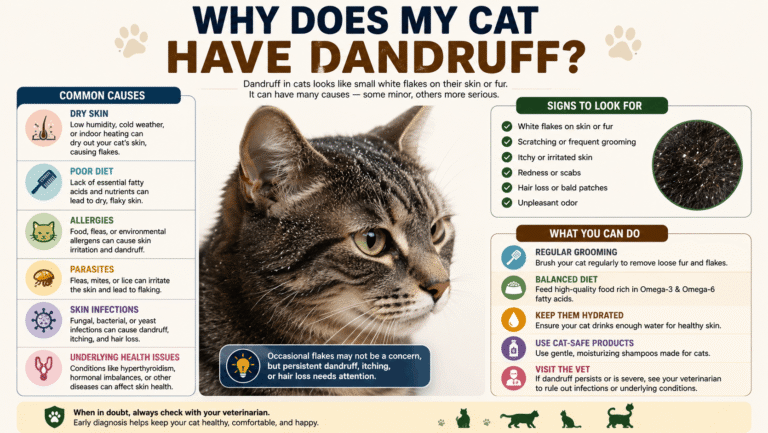
Healthy skin needs fatty acids and vitamin E to stay supple. Without them, you may see dandruff, flaking, or rough, irritated patches. Dry skin often goes hand in hand with a dull coat and more scratching.
Weight loss or poor appetite
A cat that isn’t absorbing or eating enough nutrients may start losing weight or showing little interest in food. Poor appetite paired with a fading coat can point to a deeper cat nutrition deficiency that needs attention.
Weak immune system
Vitamins help support the immune system. A deficient cat may fall sick more often, take longer to recover, or develop frequent minor infections. A weak immune system is one of the more serious signs and should not be ignored.
Causes of Vitamin Deficiency in Cats
Understanding the cause helps you fix the problem at its root. Here are the most common reasons.
Poor quality food
Cheap, filler-heavy foods often lack the vitamins and quality protein cats need. Over time, a diet built on low-grade food leaves gaps that turn into deficiencies.
Unbalanced diet
Feeding only one type of food, too many treats, or homemade meals without proper planning can throw off the nutrient balance. Cats need a complete diet, missing even one key nutrient can cause problems.
Lack of supplements
Most cats on a complete, high-quality diet don’t need extras. But cats with special needs, older cats, those recovering from illness, or those with absorption issues, may fall short without targeted supplements.
Health conditions
Sometimes the diet is fine, but an underlying condition gets in the way. Digestive problems, parasites, kidney disease, or other illnesses can stop a cat from absorbing nutrients properly, leading to deficiency despite good food.
How Vitamin Deficiency Affects Cat Coat
The coat is often the clearest mirror of your cat’s nutrition. When essential vitamins run low, the effects show up quickly in three ways:
- Fur quality drops: the coat loses shine, feels coarse, and may look unkempt even with grooming
- Skin health suffers: dryness, flaking, and irritation become common as the skin barrier weakens
- Shedding increases: weak, brittle hairs break and fall out more, leaving the coat patchy or thin
Because the coat reacts so fast to nutrition, it’s one of the best early indicators that something in the diet needs fixing.
Best Vitamins for Cats Health
These are the key nutrients that support a healthy coat, skin, and body.
Omega-3 fatty acids
Omega-3s reduce skin inflammation, ease dryness, and bring back coat shine. An Omega-3 deficiency often shows as dull fur and flaky skin. Fish oil and salmon oil are easy sources.
Biotin
Biotin (vitamin B7) supports keratin production, the protein that builds hair and skin. Biotin for cats helps strengthen the coat, reduce shedding, and improve skin condition.
Vitamin E
Vitamin E is an antioxidant that protects skin cells and supports healing. Vitamin E for cats works alongside Omega-3s to keep skin soft and the coat smooth.
Zinc
Zinc supports skin repair, wound healing, and a strong skin barrier. A zinc deficiency can cause scaly skin, slow healing, and a poor coat.
Quick nutrient guide
| Nutrient | What It Supports | Deficiency Sign |
|---|---|---|
| Omega-3 | Coat shine, calm skin | Dull fur, flaky skin |
| Biotin | Hair and skin strength | Shedding, weak coat |
| Vitamin E | Skin protection, healing | Dry, irritated skin |
| Zinc | Skin repair, barrier health | Scaly skin, slow healing |
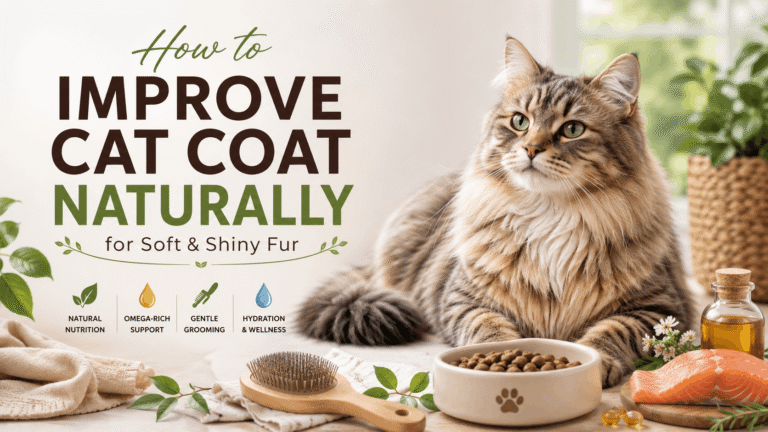
How to Improve Cat Nutrition Naturally
If you spot signs of deficiency, here’s how to improve cat nutrition naturally and safely:
- Feed high-quality cat food: choose a complete, balanced food with real animal protein as the main ingredient
- Add supplements when needed: use cat-specific Omega-3, biotin, or multivitamins, guided by your vet
- Keep your cat hydrated: fresh water and wet food support skin, digestion, and nutrient use
- Consult your vet: a checkup can confirm a deficiency, rule out illness, and guide the right plan
The goal is a steady, balanced diet rather than quick fixes. Small, consistent improvements usually deliver the best long-term results.
When to Visit a Vet
Diet changes help with mild cases, but some signs need professional care. See your veterinarian if your cat shows:
- Sudden weight loss or a clear drop in appetite
- Severe hair loss or bald patches that keep spreading
- Skin infections with redness, sores, swelling, or odor
- Extreme fatigue or unusual weakness
These can signal an underlying condition that needs proper diagnosis and treatment. A vet can run tests to pinpoint exactly what’s missing or wrong.
FAQs
What are early signs of vitamin deficiency in cats?
Early signs include a dull or rough coat, increased shedding, dry skin, and lower energy. These often appear before more serious symptoms, so they’re a good prompt to review your cat’s diet and book a vet check if they persist.
Can poor diet affect cat fur?
Yes. A poor or unbalanced diet is one of the most common causes of dull, dry, and shedding fur. Without enough protein, Omega-3s, and key vitamins, the coat loses its shine and strength. Improving the diet usually restores it over a few weeks.
How can I improve my cat’s nutrition?
Feed a complete, high-quality cat food, keep fresh water available, and add wet food for hydration. If needed, add vet-approved supplements like Omega-3 or biotin. For ongoing issues, your vet can recommend a tailored plan.
Are supplements safe for cats?
Cat-specific supplements are generally safe when used at the correct dose. Avoid human or dog products, which may contain unsafe ingredients or amounts. Always check with your vet before starting anything new, especially if your cat has a health condition.
Final Thoughts
Vitamin deficiency in cats usually develops quietly, so catching the early signs, a dull coat, more shedding, dry skin, or low energy, makes a real difference. Most cases come down to diet and respond well to better food, hydration, and the right supplements.
A balanced diet rich in essential vitamins is the key to preventing nutritional deficiencies and maintaining a healthy cat coat. When in doubt, a quick vet visit is the safest way to keep your cat healthy and well-nourished.
A Note on Pet Health
Serlig publishes researched pet care information for everyday owners. It is general guidance, not veterinary advice, and it does not replace an examination by a licensed veterinarian who knows your pet. If your pet is unwell, or anything in this guide does not match what you are seeing at home, contact your vet.

2 Comments