

Yes, dogs can eat carrots raw or cooked. Carrots are non-toxic, low in calories, and one of the healthiest vegetables you can share with your dog. They provide beta-carotene (vitamin A), fiber, and antioxidants that support eye health, digestion, and immunity. Serve them plain and cut into bite-sized pieces to prevent choking, and keep treats under 10% of your dog’s daily calories.
Key Takeaways
- Carrots are safe, non-toxic, and healthy for dogs, whether raw or cooked.
- They are rich in beta carotene (vitamin A), fiber, and antioxidants.
- Raw carrots add crunch and can help scrape plaque; cooked carrots release more beta-carotene.
- Cut carrots into sticks or half-moons round “coins” and whole baby carrots are a choking risk.
- Serve plain, with no butter, oil, salt, or seasoning.
- They are low in calories, making them a great treat for weight-conscious dogs.
- Introduce gradually, as too much fiber at once can cause gas or loose stools.
Can Dogs Eat Carrots?
Yes. Carrots are among the safest and most nutritious vegetables you can offer a dog. Both the American Kennel Club (AKC) and PetMD list carrots as a healthy treat, and many veterinarians recommend them as a low-calorie alternative to processed snacks.
Even better, carrots are versatile. You can serve them raw for crunch, or steamed and boiled for a softer, more digestible option. The main rules are simple: keep them plain, cut them to a safe size, and feed them in sensible amounts.
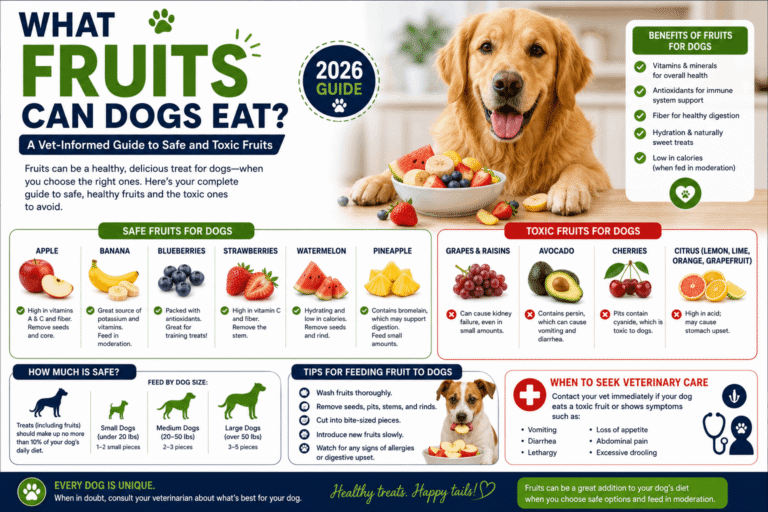
Carrots make a great addition to a rotation of healthy snacks. If your dog also enjoys fruit, you might like our guides on apples and bananas. Whatever you offer, the foundation of your dog’s diet should always be a complete and balanced dog food that meets AAFCO standards, with carrots as a healthy extra.
Are Carrots Good for Dogs? The Benefits
Carrots earn their reputation as a top dog-friendly vegetable. They pack real nutrition into a crunchy, low-calorie package:
| Nutrient | What it does for your dog |
|---|---|
| Beta-carotene (vitamin A) | Supports vision, immune function, and skin and coat health. |
| Dietary fiber | Supports digestion, healthy stools, and gut bacteria. |
| Vitamin C | An antioxidant that supports the immune system. |
| Potassium | Supports heart and muscle function. |
| Biotin | Supports healthy skin and a shiny coat. |
| Vitamin K1 | Supports blood clotting and bone health. |
Great for eyes, skin, and immunity
The standout nutrient in carrots is beta-carotene, which a dog’s body converts into vitamin A as needed. This supports vision, immune health, and healthy skin and coat. Interestingly, gently cooking carrots makes some of that beta-carotene easier for your dog to absorb.
A natural, low-calorie snack
Carrots are naturally low in calories and fat, so they make an ideal treat for dogs watching their weight a much better choice than rich, processed snacks. For more weight-friendly options, see our guide on The 10% Rule: Best Low-Calorie Treats for Overweight Pets.
A crunchy chew that supports dental health
When a dog gnaws on a firm raw carrot, the abrasive texture can help scrape plaque off the teeth. This is a nice bonus, but it is not a replacement for regular tooth brushing or professional dental care. A cold carrot can also soothe a teething puppy just size it appropriately and supervise.
Carrot Risks: What to Watch For
Carrots are one of the safest vegetables, but a few sensible rules keep them trouble-free.
Choking hazard
The main risk with carrots is choking, especially from round coin slices or whole baby carrots given to small dogs or fast eaters. Always cut carrots into short sticks or half-moons rather than round coins, size the pieces to your dog, and supervise while they chew.
Too much fiber or sugar
Carrots contain natural sugar and plenty of fiber. Feeding too much, too fast can cause gas, bloating, or loose stools. Introduce carrots gradually over a week, and keep servings modest. If your dog does get an upset stomach, our guide on what to feed a dog with diarrhea can help.
Skip the extras and canned versions
Plain is best. Never add butter, oil, salt, sugar, or seasoning, and avoid canned carrots, which often contain added sodium or preservatives. Fresh or plain frozen carrots are the way to go.
Prescription diets
If your dog is on a veterinary prescription diet, do not add carrots or any other treat without your vet’s approval.
How Many Carrots Can a Dog Eat? (Serving Size by Weight)
Every treat is governed by the 10% rule: all treats combined, carrots included, should stay under a tenth of your dog’s daily calories, with the rest coming from balanced food. Because carrots are so low in calories, they are one of the more forgiving treats but portion size still matters.
Use this general guide and adjust with your vet:
| Dog size | Body weight | Suggested serving | Frequency |
|---|---|---|---|
| Extra-small | Under 10 lb (Chihuahua, Yorkie) | 1–2 thin slices or short sticks | Daily is fine, in small amounts |
| Small | 10–25 lb | A few small pieces | Most days |
| Medium | 25–50 lb | A few baby-carrot-sized pieces | Most days |
| Large | 50–90 lb | A small handful of pieces | Most days |
| Giant | Over 90 lb | A small handful of pieces | Most days |
If carrots are new to your dog, begin with a small amount and increase slowly over a week, watching for any gas or loose stools along the way.
How to Safely Feed Carrots to Your Dog
Preparation is quick and easy. Follow these steps:
- Wash thoroughly. Rinse carrots under running water to remove dirt and pesticide residue. Peel if you prefer.
- Cut to size. Slice into short sticks or half-moons never round coins and match the size to your dog.
- Choose raw or cooked. Raw offers crunch and dental benefit; steamed or boiled is softer and easier to digest. Either way, keep it plain.
- Start small. For a first-timer, offer a small piece and watch for any reaction over the next day.
Fun, safe ways to serve carrots
- Raw sticks : a crunchy, low-calorie training reward or snack.
- Steamed or boiled : softer and gentle on digestion; cool before serving.
- Grated over food : a colorful, fiber-rich meal topper.
- Mashed in a toy : stuff cooked, mashed carrot into a rubber toy or lick mat for enrichment.
- Homemade treats : bake carrots into simple dog treats. For ideas, see our 5 Homemade Organic Dog Treat Recipes.
Can Puppies Eat Carrots?
Yes, puppies can eat carrots, and they can be a helpful teething aid. Start with a small, soft-cooked piece, or a size-appropriate raw stick under close supervision, and introduce only one new food at a time.
Keep servings tiny, watch for any digestive upset, and make sure a balanced puppy food still provides almost all of your puppy’s daily nutrition. When in doubt, ask your veterinarian.
When to Check With Your Vet
Carrots suit most dogs, but check with your veterinarian first if your dog:
- Is on a prescription or weight-management diet.
- Has a sensitive stomach or a history of digestive issues.
- Has diabetes, since even natural sugar counts toward the day’s total.
Contact your vet if, after eating carrots, your dog shows repeated vomiting or diarrhea, signs of choking, or any reaction that does not settle within a day.
Frequently Asked Questions
Can dogs eat raw carrots? Yes. Raw carrots are a crunchy, low-calorie snack that can also help clean teeth. Just cut them into safe-sized sticks and supervise chewing to prevent choking.
Can dogs eat cooked carrots? Yes. Steamed or boiled plain carrots are softer, easier to digest, and actually release more beta-carotene. Avoid butter, oil, and seasoning.
Can dogs eat baby carrots? Yes, but a whole baby carrot can be a choking hazard for small dogs. Cut them into smaller pieces before serving.
How many carrots can a dog eat? Keep carrots and all treats under 10% of your dog’s daily calories. Small dogs need only a slice or two, while larger dogs can have a small handful.
Can carrots give dogs diarrhea? Too many at once can. The fiber may cause gas or loose stools, so introduce carrots slowly and keep portions modest.
Can puppies eat carrots? Yes, in small amounts. A cold carrot can even soothe a teething puppy — just size it safely and supervise.
Final Thoughts
Carrots are one of the easiest, healthiest, and most affordable treats you can share with your dog. Serve them plain, cut them into safe-sized pieces rather than round coins, and offer them in sensible amounts — raw for crunch or cooked for easy digestion.
Every dog responds a little differently, so introduce carrots gradually, keep portions reasonable, and check with your veterinarian if your dog has a condition such as diabetes or is on a special diet. As a regular healthy snack on top of a complete, balanced diet, carrots can be a crunchy, nutritious part of your dog’s routine.
A Note on Pet Health
Serlig publishes researched pet care information for everyday owners. It is general guidance, not veterinary advice, and it does not replace an examination by a licensed veterinarian who knows your pet. If your pet is unwell, or anything in this guide does not match what you are seeing at home, contact your vet.

One Comment