
The Quick Verdict: Apples & Dogs
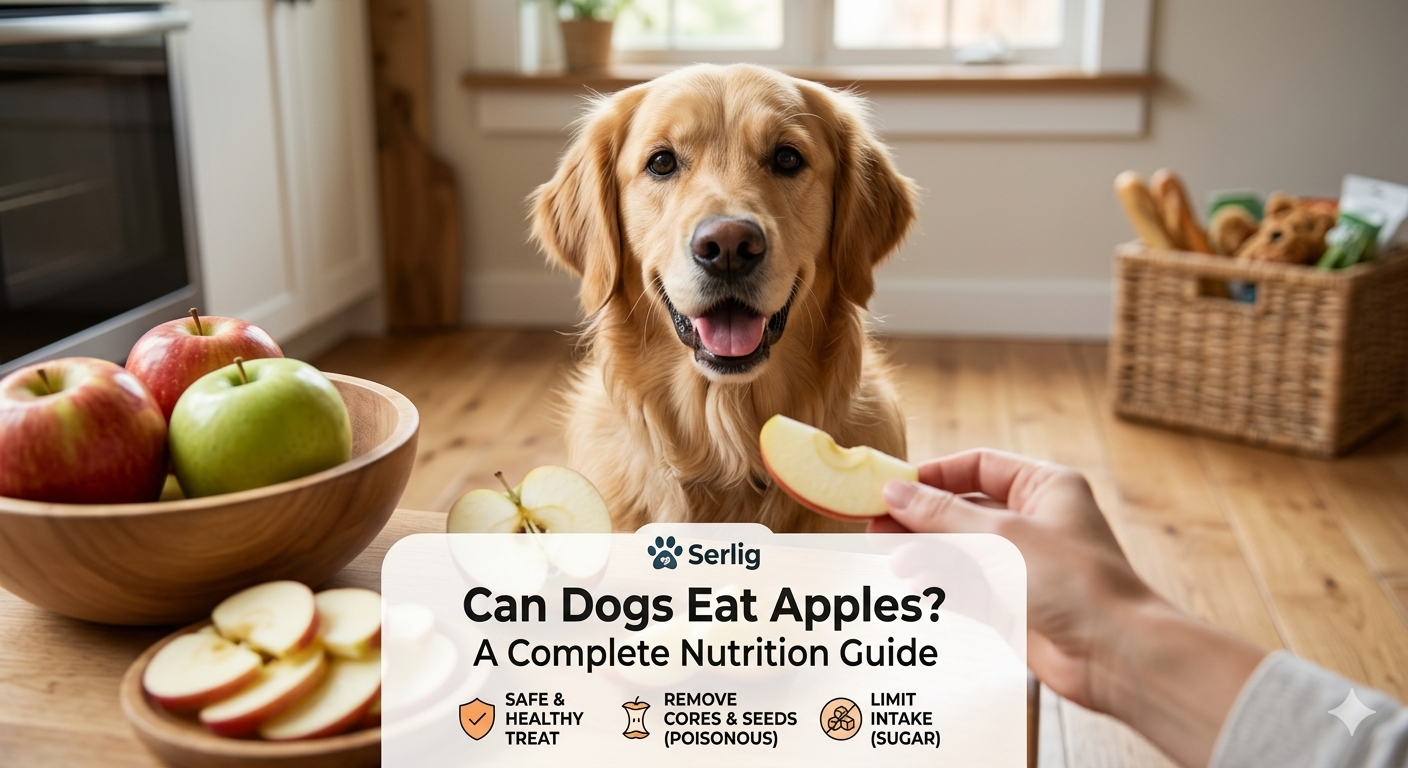
Yes, dogs can eat apples as a low-calorie, fiber-rich treat. However, you must remove the core and all seeds. Apple seeds contain amygdalin, which releases cyanide when chewed. Serve in small slices to avoid choking.
If you are looking for a healthy, crunchy treat for your furry best friend, you might be staring at the fruit bowl on your kitchen counter. Apples are a staple in many households, offering a sweet and satisfying bite for humans. But when those puppy dog eyes look up at you, it is natural to wonder if sharing a slice is a safe choice.
The good news is that apples can be a fantastic addition to your dog’s diet when prepared correctly. They offer a range of health benefits that can support everything from digestion to dental hygiene. However, like many human foods, they come with specific risks that every pet owner needs to understand before tossing a slice across the kitchen floor.
This comprehensive guide covers everything you need to know about feeding apples to your dog. We will explore the nutritional benefits, the specific hidden dangers of apple seeds and cores, and exactly how much apple your dog can safely consume. By the end of this article, you will know exactly how to safely prepare this delicious fruit for your canine companion.
The Nutritional Benefits of Apples for Dogs
Apples are much more than just a tasty snack. They are packed with essential nutrients that can support your dog’s overall well-being. According to veterinary nutritionists and organizations like the American Kennel Club (AKC), apples provide several distinct health advantages.
First, apples are an excellent source of Vitamin A and C. Vitamin A supports healthy skin, coat, and immune function, while Vitamin C acts as a powerful antioxidant that reduces inflammation and cognitive aging. Furthermore, the apple skin is rich in additional antioxidants that help protect cells from damage.
Another major benefit lies in the dietary fiber found in apples, specifically pectin. Pectin is a soluble fiber that offers significant gastrointestinal benefits. It helps regulate digestion, improves gut flora, and can firm up loose stools. Because apples have a high water content and are naturally low in calories and fat, they make an ideal snack for senior dogs or those needing to manage their weight.
Finally, the natural crunch of an apple slice can actually aid in canine dental health. Chewing on firm apple pieces helps to gently scrape plaque and tartar off your dog’s teeth, promoting fresher breath and better oral hygiene between professional cleanings.
The Hidden Danger: Seeds and Cores
While the flesh of the apple is wonderfully healthy, other parts of the fruit belong strictly in the compost bin. Understanding these risks is crucial for your dog’s safety.
Apple Seeds and Cyanide
Are apple seeds toxic to dogs? Yes, they absolutely can be. Apple seeds contain a compound called amygdalin, which belongs to a class of chemicals known as cyanogenic glycosides. When an apple seed is chewed and broken down during digestion, amygdalin releases trace amounts of cyanide into the bloodstream.
While a single chewed seed might not cause immediate harm to a large dog, the toxic effects can accumulate. Eating a large number of seeds, or consuming them regularly over time, can lead to cyanide poisoning. Symptoms of cyanide poisoning in dogs include dilated pupils, panting, difficulty breathing, and shock. It is always best to thoroughly remove all seeds before offering apples to your pet.
The Choking Hazard of the Core
The tough, fibrous center of the apple—the core—poses an entirely different threat. Dogs often do not chew their food thoroughly, and swallowing a large piece of an apple core can easily become a severe choking hazard. Even if it makes it past the esophagus, the hard core is difficult to digest and can cause a dangerous intestinal blockage that may require emergency surgery.
Always slice the apple and completely discard the core and stem to keep your dog out of the danger zone.
Apple Parts: Safe vs. Toxic
To make preparation easy, here is a quick breakdown of which parts of the apple are safe and which should be avoided.
| Apple Part | Status | Notes |
| Flesh | Safe | Low calorie, high in water, and great for dental health. |
| Skin | Safe | Can dogs eat apple skin? Yes, it is packed with antioxidants (just wash it first). |
| Seeds | Toxic | Contains amygdalin, which releases cyanide when crushed. |
| Stem | Unsafe | Choking hazard and difficult to digest. |
| Core | Unsafe | Severe choking hazard and risk of intestinal blockage. |
Serving Sizes: How Much Apple Can a Dog Eat?
Apples contain a natural sugar called fructose content. While natural, too much sugar can lead to an upset stomach or weight gain if overfed. Apples should only be given as an occasional treat, making up no more than 10% of your dog’s daily caloric intake.
Here are the recommended serving sizes based on your dog’s size:
- Small Dogs & Puppies: 1 to 2 thin, bite-sized slices.
- Medium Dogs: 3 to 4 thin slices.
- Large Dogs: Up to half of an apple, sliced into manageable pieces.
Always introduce any new food slowly to monitor for gastrointestinal upset or rare allergic reactions.
Frequently Asked Questions About Dogs and Apples
Can dogs eat green apples?
Yes, dogs can eat green apples like Granny Smith varieties. However, green apples tend to be more acidic and slightly more tart than red apples. While they are safe, the higher acidity might upset a sensitive dog’s stomach, so start with a very small piece.
Can I give my dog apple sauce?
You can give your dog apple sauce, but you must be incredibly careful about the ingredients. Only offer plain, unsweetened apple sauce. Commercial apple sauces often contain added sugars, artificial sweeteners, or preservatives. Never feed your dog apple sauce that contains xylitol, as it is highly toxic to canines.
What happens if my dog accidentally eats one apple seed?
If your dog accidentally sneaks a single apple seed, try not to panic. One seed is usually fine and will likely pass through their digestive tract without causing harm, especially if it was swallowed whole rather than chewed. However, you should still monitor your dog for any signs of distress, such as heavy panting or lethargy, and contact your vet if you notice anything unusual.
Can diabetic dogs eat apples?
Because apples contain a relatively high fructose content, you should consult your veterinarian before feeding them to a diabetic dog. While the dietary fiber helps slow the absorption of sugar, the spike in blood glucose might still be problematic for dogs managing diabetes.
Keep Your Dog Happy and Healthy with Safe Snacking
Apples can be a phenomenal, refreshing treat that provides your dog with vitamins, fiber, and a satisfying crunch. By taking a few extra seconds to wash the fruit, remove the toxic seeds, and discard the hazardous core, you can safely share this wholesome snack with your four-legged friend.
Next time you are slicing an apple for yourself, set a few thin, core-free slices aside for your pup. If you want to learn more about which fruits and vegetables are safe for your dog, be sure to speak with your local veterinary nutritionist or consult the American Kennel Club’s dietary guidelines to keep your pet thriving.
A Note on Pet Health
Serlig publishes researched pet care information for everyday owners. It is general guidance, not veterinary advice, and it does not replace an examination by a licensed veterinarian who knows your pet. If your pet is unwell, or anything in this guide does not match what you are seeing at home, contact your vet.


3 Comments