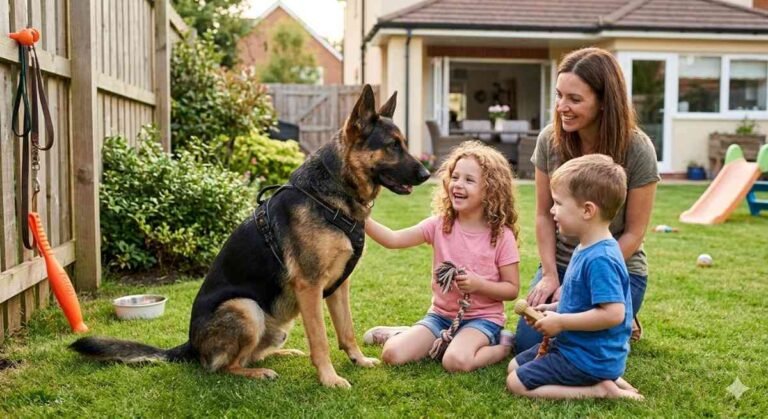

Are you looking for a stunning, high-energy dog to join your active lifestyle? The white German Shepherd Husky mix captures attention wherever it goes. This mixed breed dog blends the distinct looks and traits of two incredibly popular working dogs.
Owning a Siberian Husky German Shepherd mix requires commitment. These dogs possess deep loyalty, sharp minds, and a strong drive to run. Before bringing a German Shepherd mix puppy into your home, you need to understand their specific care requirements.
This guide covers size and weight, puppy cost, temperament, exercise needs, grooming, and health risks, so you can decide whether this mix genuinely fits your lifestyle.
Quick Answer: What Is a White German Shepherd Husky Mix?
A white German Shepherd Husky mix is a cross between a white German Shepherd and a Siberian Husky. Adults typically stand 20-26 inches (51-66 cm) tall and weigh 45-80 lb (20–36 kg), with a thick double coat, upright ears, very high energy, and a smart but sometimes independent personality. Puppies usually cost $500-$1,500 from a breeder.
| At a glance | |
|---|---|
| Breed type | Mixed breed (not AKC recognised) |
| Parent breeds | White German Shepherd + Siberian Husky |
| Also called | Gerberian Shepsky, White Shepsky |
| Adult height | 20–26 in (51-66 cm) |
| Adult weight | 45–80 lb (20–36 kg) |
| Coat | Thick double coat, white, cream, grey, black and white, sable |
| Energy level | High, 90–120 min exercise daily |
| Shedding | Heavy, year-round, with seasonal blowouts |
| Lifespan | 10–14 years |
| Puppy cost | $500–$1,500 (breeder) / $150-$500 (rescue) |
| Best for | Active owners with space and time for training |
| Not ideal for | First-time owners, small apartments, people away all day |
The American Kennel Club (AKC) describes German Shepherds as loyal, confident, courageous, steady, and highly intelligent. The Siberian Husky breed is known for endurance, athletic structure, and a strong working background.
What Is a White German Shepherd Husky Mix?
A white German Shepherd Husky mix (sometimes called a Gerberian Shepsky) is not a pure breed. It is a mixed dog resulting from German Shepherd and Siberian Husky parents. Because it is a crossbreed, appearance can vary from dog to dog.
Some puppies look more like German Shepherds, inheriting the classic shepherd stance. Other puppies look more like Huskies, displaying a lighter build and distinct facial markings. Regardless of which parent they favor, training and socialization are important from a young age.
Common traits of this mix include:
- Strong body structure
- Upright ears
- Thick double coat
- Intelligent expression
- High stamina
- Loyal but independent personality
White German Shepherd Husky Mix Appearance
Coat Color and Markings
Despite the name, a white German Shepherd Husky mix is rarely completely white. Coat color depends heavily on genetics. You can expect a variety of colors and patterns:
- White
- Cream
- Grey
- Black and white
- Sable
- Wolf-like mixed pattern
Not every puppy will be fully white. Buyers should never choose a puppy only because of a specific coat color. Temperament and health are far more important factors.
Size and Weight
This mix grows into a medium-to-large dog. Because it is a crossbreed, the safest way to predict adult size is to look at the range between both parent breeds.
Adult size by sex
| Height | Weight | |
|---|---|---|
| Male | 22-26 in (56-66 cm) | 55-80 lb (25-36 kg) |
| Female | 20-24 in (51-61 cm) | 45-65 lb (20-29 kg) |
Where these numbers come from, parent breed standards
| Breed | Male height | Male weight | Female height | Female weight |
|---|---|---|---|---|
| German Shepherd | 24–26 in | 65–90 lb | 22–24 in | 50–70 lb |
| Siberian Husky | 21–23.5 in | 45–60 lb | 20–22 in | 35–50 lb |
| The mix (expected) | 22–26 in | 55–80 lb | 20–24 in | 45–65 lb |
Growth timeline
| Age | Typical weight (male) | Stage |
|---|---|---|
| 8 weeks | 10–15 lb | Puppy, avoid forced exercise |
| 4 months | 30–40 lb | Fast growth; joints vulnerable |
| 8 months | 50–60 lb | Most height gained |
| 12 months | 55–70 lb | Near adult height |
| 18–24 months | 55–80 lb | Fully mature; chest fills out |
Note: Final size depends on parent genetics, diet, and healthy growth rates. Avoid overfeeding during the puppy stage, rapid growth increases joint problems in large breeds.
Body Shape
- Athletic, balanced build
- Strong legs and deep chest
- Thick, brush-like tail
- Alert expression with erect ears
White German Shepherd Husky Mix Temperament
The Gerberian Shepsky blends the working instincts of both parents. You will often see a loyal nature originating from the German Shepherd side. The independent energy usually comes from the Husky side.
This creates a smart but sometimes stubborn behavior profile. They have a strong need for exercise and mental engagement. Early obedience training and proper socialization are non-negotiable for this powerful dog.
Key temperament traits include:
- Intelligent
- Active
- Loyal
- Alert
- Playful
- Sometimes vocal
- Can become destructive if bored
Is a White German Shepherd Husky Mix Good for Families?
A white German Shepherd Husky mix can be a good family dog for active homes, but it needs consistent training, exercise, supervision, and socialization.
This loyal dog breed thrives when included in family activities. However, their size and energy mean they require a structured environment.
- Good for active families
- Better for homes with a large yard or open space
- Needs daily walks and play
- Needs mental games to stay engaged
- Not ideal for very busy owners
- Children should always be taught respectful dog handling
Exercise Needs of a White German Shepherd Husky Mix
This high-energy dog requires 90–120 minutes of exercise per day, split across at least two sessions. The white German Shepherd Husky mix is definitely not a couch-potato dog. It needs both physical exertion and mental activity to stay happy.
| Age | Daily exercise | Notes |
|---|---|---|
| Puppy (under 12 months) | 5 min per month of age, twice daily | Protects growing joints, no forced running |
| Adult (1–7 years) | 90–120 min | Plus 15–20 min mental work |
| Senior (8+ years) | 45–60 min | Shorter, gentler, more frequent |
Active dog owners will find a great companion in this mix. Consider these activities:
- Long daily walks
- Running or jogging (only once fully grown)
- Hiking on challenging trails
- Playing fetch
- Obedience training sessions
- Puzzle toys
- Scent games
- Controlled social play
Grooming Needs and Shedding
Both parent breeds possess a thick double coat. Therefore, this double coat dog can shed heavily, especially during seasonal coat blows. Dog grooming is a major part of owning this mix.
Brushing is critically important to manage shedding and keep the skin healthy. Bathing should be done occasionally, as excessive washing strips natural oils from the skin.
| Task | Frequency |
|---|---|
| Brushing (normal) | 3–4 times per week |
| Brushing (shedding season) | Daily |
| Bathing | Every 6–8 weeks |
| Nail trim | Monthly |
| Ear check | Weekly |
| Teeth brushing | 3–4 times per week |
- Never shave the double coat without explicit vet advice
- Use a gentle, dog-safe shampoo
- Check paws for debris or injury after walks
Common Health Problems in White German Shepherd Husky Mix Dogs
Disclaimer: This is general information and does not constitute a veterinary diagnosis. Always consult a licensed veterinarian for medical advice.
German Shepherd Dog Hip Dysplasia
German Shepherds are among the breeds where responsible breeders screen for hip and elbow dysplasia. VCA Animal Hospitals notes that hip dysplasia is seen more often in larger breeds, including German Shepherds. German Shepherd dog hip dysplasia can cause pain, lameness, and arthritis.
To manage this risk:
- Ask the breeder for parent health testing and joint clearances
- Watch for limping or stiffness after exercise
- Avoid overfeeding puppies to prevent rapid growth
- Use large-breed puppy nutrition if your vet recommends it
- Keep the dog at a healthy weight
- Visit a vet immediately if movement looks painful
Other Health Concerns
Aside from joints, other common health issues include:
- Elbow dysplasia
- Eye issues (like cataracts or progressive retinal atrophy)
- Skin allergies
- Bloat risk (gastric dilatation-volvulus)
- General joint pain
- Obesity
- Dental problems
How Much Does a White German Shepherd Husky Mix Cost?
Expect to pay $500–$1,500 for a puppy from a breeder, or $150–$500 through a rescue. Because this is a crossbreed rather than a recognised breed, prices vary widely by location and breeder practices.
Upfront cost
| Item | Typical cost |
|---|---|
| Puppy from a breeder | $500 – $1,500 |
| Rescue or adoption fee | $150 – $500 |
| Initial vaccinations & vet check | $150 – $300 |
| Spay / neuter | $200 – $500 |
| Crate, bed, leash, bowls | $150 – $300 |
| Microchip | $25 – $60 |
| First-year total | $1,400 – $2,600 |
Ongoing yearly cost
| Item | Per year |
|---|---|
| Food (large, active dog) | $500 – $900 |
| Routine vet & vaccines | $200 – $400 |
| Flea, tick, worm prevention | $120 – $250 |
| Grooming tools & supplies | $80 – $150 |
| Pet insurance (optional) | $300 – $700 |
| Annual total | $900 – $1,800 |
What pushes the price up or down:
- Breeder reputation and ethical practices
- Parent health testing certificates
- Vaccination and deworming records
- Current vet checks
- Your geographic location
- Puppy age and previous training
Health records matter far more than finding a low price. You should never buy a dog simply because it has a rare coat color, and a very low price is often a warning sign rather than a bargain.
Training Tips
Dog training is vital for this crossbreed. A bored white German Shepherd Husky mix can easily bark, dig, chew, escape, or completely ignore commands. This mix needs a confident owner who can provide structure without being harsh.
- Start training early in puppyhood
- Use positive reinforcement methods
- Keep training sessions short and consistent
- Teach proper leash manners immediately
- Practice reliable recall training, Husky heritage means a strong urge to run
- Socialize safely with people and other dogs
- Avoid harsh punishment
- Add mental stimulation daily
Pros and Cons of Owning a White German Shepherd Husky Mix
Pros
- Beautiful and striking appearance
- Loyal personality and deep attachment to owners
- Intelligent and capable of learning complex commands
- Active and playful companion
- Excellent for outdoor owners and hikers
- Can be a strong, protective family companion
- Unique coat and facial expression
Cons
- Heavy shedding requires constant cleanup
- Extremely high exercise needs
- Can be stubborn and difficult to motivate
- Needs extensive, ongoing training
- Not ideal for small apartments without yard access
- Can become noisy or highly destructive if bored
- Health testing is absolutely necessary to avoid joint issues
How the Mix Compares to Its Parent Breeds
| Feature | White German Shepherd Husky Mix | White German Shepherd | Siberian Husky |
|---|---|---|---|
| Male height | 22–26 in | 24–26 in | 21–23.5 in |
| Male weight | 55–80 lb | 65–90 lb | 45–60 lb |
| Coat | Thick double coat | Thick double coat | Dense double coat |
| Shedding | Heavy | Heavy | Very heavy |
| Energy | Very high | High | Very high |
| Trainability | Moderate — can be stubborn | High | Moderate, independent |
| Recall reliability | Variable | Good | Poor (strong run drive) |
| Vocal | Sometimes | Moderate | Very vocal |
| Best for | Active owners with space | Committed owners | Very active owners |
| Main concern | Shedding, exercise, joints | Joints, exercise | Escaping, shedding |
FAQs About White German Shepherd Husky Mix Dogs
What is a white German Shepherd Husky mix?
A white German Shepherd Husky mix is a mixed-breed dog created from a white German Shepherd and a Siberian Husky. It is sometimes called a Gerberian Shepsky.
How big does a white German Shepherd Husky mix get?
Males typically reach 22–26 inches (56–66 cm) and 55–80 lb (25–36 kg). Females typically reach 20–24 inches (51–61 cm) and 45–65 lb (20–29 kg). Most reach full height by 12 months and fill out by 18–24 months.
How much does a white German Shepherd Husky mix cost?
Puppies usually cost $500–$1,500 from a breeder, or $150–$500 through a rescue. Budget $1,400–$2,600 for the first year including vet care and supplies, then $900–$1,800 per year after that.
How long do white German Shepherd Husky mixes live?
Most live 10–14 years with good nutrition, regular vet care, healthy weight management, and daily exercise.
Is a white German Shepherd Husky mix a good family dog?
Yes, it can be a good family dog for active homes that provide daily exercise, rigorous training, grooming, and thorough socialization.
Do white German Shepherd Husky mix dogs shed a lot?
Yes, this mix sheds heavily year-round because both German Shepherds and Siberian Huskies have dense double coats that blow out seasonally. Expect daily brushing during shedding season.
How much exercise does this mix need?
Adults need 90–120 minutes of physical exercise daily, plus 15–20 minutes of mental work such as puzzle toys or training. Puppies should get roughly five minutes per month of age, twice daily, to protect growing joints.
Are white German Shepherd Husky mix dogs aggressive?
They are not automatically aggressive. Behavior heavily depends on genetics, early training, socialization, environment, and overall owner responsibility.
What health problems can a white German Shepherd Husky mix have?
Common concerns can include hip dysplasia, elbow issues, eye problems, allergies, obesity, and general joint pain. Ask any breeder for hip and elbow clearances on both parents.
Finding Your Perfect Dog Match
Welcoming a white German Shepherd Husky mix into your family is a major commitment. They require plenty of space, dedicated training, and rigorous daily exercise. If you love the outdoors and have the time to invest in early socialization and grooming, this mix can be an incredibly rewarding companion.
Assess your lifestyle honestly before bringing a high-energy dog home. To keep researching, read our guide to German Shepherd mixes and popular crossbreeds, our German Shepherd guide covering coat types, health and cost, or our list of dog breeds that look like German Shepherds.
If the Husky side is what draws you, our guides on Arctic Husky dogs and whether Huskies are good with kids are worth reading before you commit. Ready to start training? Begin with our five basic German Shepherd training commands.
A Note on Pet Health
Serlig publishes researched pet care information for everyday owners. It is general guidance, not veterinary advice, and it does not replace an examination by a licensed veterinarian who knows your pet. If your pet is unwell, or anything in this guide does not match what you are seeing at home, contact your vet.