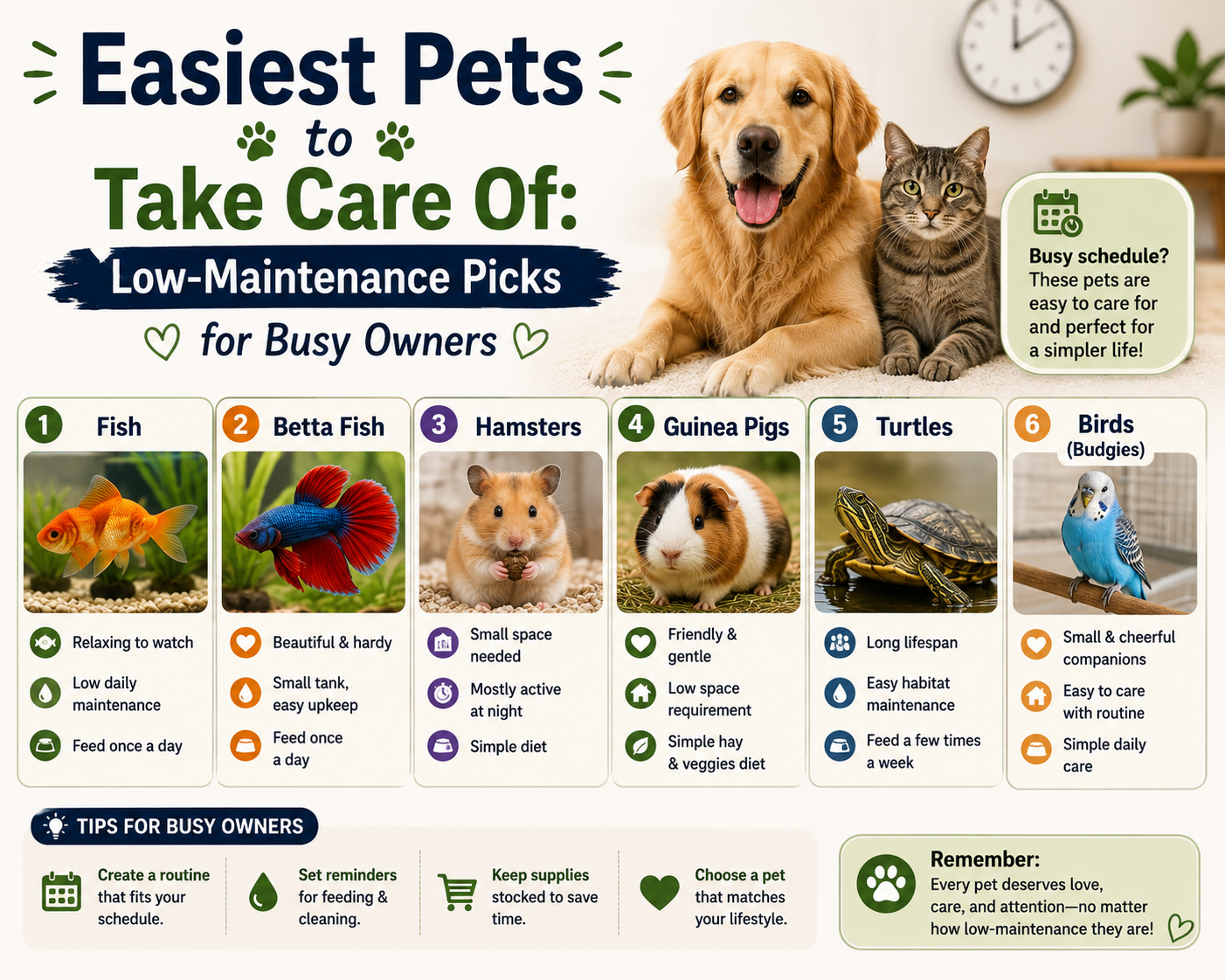
The easiest pets to take care of are fish (particularly betta fish and goldfish), cats, small rodents (hamsters, gerbils), leopard geckos, and birds like finches or canaries. These animals need basic feeding, a clean habitat, and occasional vet care without the daily walks, training, and constant attention that dogs require. That said, no living animal is truly zero-maintenance. Every pet on this list deserves proper care, appropriate housing, and regular veterinary attention.
A note from Serlig: Low maintenance describes the time and effort involved, not the level of care a pet deserves. Before choosing any pet, research its specific needs, housing requirements, and lifespan a 10-second decision should not become a 10-year regret.
Everyone wants the joy of a pet. Not everyone has the lifestyle to match a high-energy dog or a needy cat. If you work long hours, live in a small apartment, travel regularly, or simply want a companion without an overwhelming daily commitment, the good news is that genuinely easy pets exist and several of them are more rewarding than people expect.
This guide ranks the easiest pets to take care of honestly, explains what low maintenance actually means for each, and helps you match the right animal to your real lifestyle.
What Makes a Pet Easy to Take Care Of?
Before the list, a useful framework. The easiest pets to take care of tend to share a few key traits:
- Minimal daily interaction required: they do not need walks, constant handling, or hours of engagement
- Simple, predictable diets: commercial food available, no complex preparation
- Low grooming needs: self-cleaning, short coats, or scales that require no brushing
- Adaptable to small spaces: apartments and smaller homes are no barrier
- Tolerant of varied schedules: they do not suffer anxiety when you are at work
None of these traits means nothing. They mean they need less. Keep that distinction in mind as you read.
The Easiest Pets to Take Care Of Ranked Honestly
1. Betta Fish (Easiest Overall)
If you want the simplest possible pet that still brings genuine visual enjoyment, a betta fish is hard to beat. A single male betta thrives in a small filtered tank (5 gallons minimum), eats commercially available pellets once or twice daily, and requires a weekly partial water change. That is essentially the entire commitment.
Studies have linked watching fish to measurable reductions in blood pressure and heart rate, a genuine health benefit from a pet that asks almost nothing in return.
What you actually need: 5-gallon tank, filter, heater, betta pellets.
Time per day: Under 5 minutes.
Watch out for: Male bettas are territorial, keep them solo or with peaceful tank companions only.
2. Cats (Easiest Mammal for Busy People)
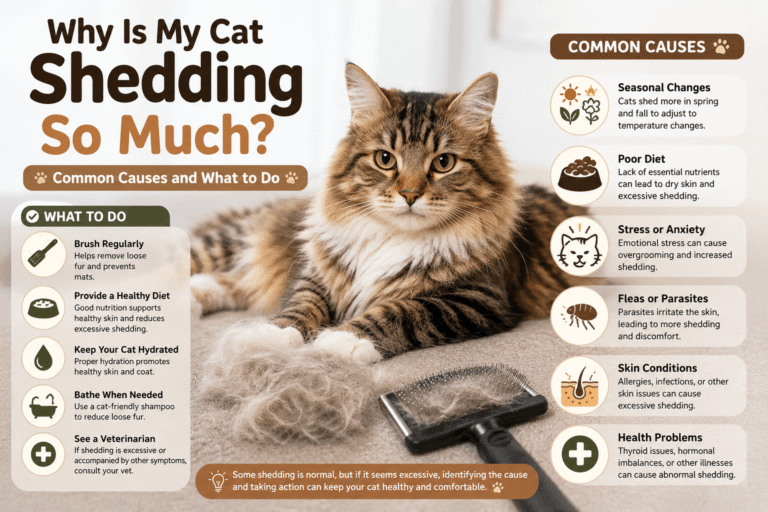
Cats top almost every easy pets list and for good reason. They groom themselves, use litter boxes reliably, sleep 12-16 hours a day, and are largely content in apartments. Unlike dogs, they do not require walks or a yard.
The catch: cats are not no-maintenance. Litter boxes need daily scooping, food and water need replenishing, and cats need interactive play (15-20 minutes daily prevents boredom and destructive behavior). Longhaired breeds also need regular brushing. Choose a laid-back breed British Shorthair, American Shorthair, or Ragdoll for the most relaxed ownership experience.
A cat’s coat condition is one of the clearest signals of overall health. Our guide to how to improve cat coat naturally explains the diet and grooming habits that keep coats healthy without much effort.
Time per day: 20-30 minutes of active care + passive company. Watch out for: Regular vet care, dental health, and obesity in indoor cats see Serlig’s cat care hub for the full picture.
3. Leopard Gecko (Easiest Reptile)
Among the easiest pets to take care of in the reptile category, the leopard gecko stands out. They are docile, rarely bite, live happily in a 20-gallon tank, eat commercially available insects (crickets, mealworms, dubia roaches) every 2-3 days, and have a lifespan of 10-20 years with proper care.
Unlike many reptiles, leopard geckos do not need UVB lighting, a simpler and less expensive setup than most lizards. They are nocturnal, which suits owners who are away during the day. Our bearded dragon as a pet guide covers the broader reptile family if you want to compare options, bearded dragons are more interactive but more demanding.
Time per day: 10-15 minutes. Watch out for: Correct temperature gradient in their tank is non-negotiable; both warm and cool sides are necessary for health.
4. Hamsters (Easiest Small Mammal)
Hamsters are self-contained, affordable, and genuinely entertaining to watch. A Syrian hamster (the largest common variety) thrives in a well-ventilated cage with bedding, a running wheel, tunnels, and a simple diet of hamster pellets supplemented with occasional fresh vegetables.
They are nocturnal most active in the evening and night which works well for owners who are out during the day. They do not require handling to stay healthy, though regular gentle interaction makes them more comfortable with humans over time.
Time per day: 10 minutes.
Watch out for: Syrian hamsters must be housed alone; they are solitary and will fight. Also, their lifespan is relatively short (2-3 years), which is worth considering if you have children.
5. Goldfish (Best for Beginners with a Tank)
Goldfish are among the most popular easy pets for beginners and they are hardier than their reputation suggests. With a filtered tank (at least 20 gallons for one adult goldfish), regular partial water changes, and commercial goldfish food, they can live 10-15 years and some considerably longer.
The common myth that goldfish need tiny bowls is wrong and harmful; they need space, filtration, and water quality management. Get that right, and goldfish are genuinely undemanding companions.
Time per day: 5 minutes (plus weekly water changes).
Watch out for: Goldfish produce a lot of waste. A quality filter is not optional.
6. Gerbils (Best in Pairs)
Gerbils are energetic, social, and low maintenance pets that do well in same-gender pairs. They are less likely to bite than hamsters, more active during daylight hours, and genuinely entertaining to watch as they dig, burrow, and explore. Their cage needs weekly cleaning, their diet is straightforward (commercial gerbil food plus occasional fresh vegetables) and they ask for very little beyond basic care and a stimulating environment.
Time per day: 10 minutes.
Watch out for: Gerbils need companions, solo gerbils become stressed. Always keep them in same-gender pairs or small groups.
7. Finches and Canaries (Best Birds for Low Interaction)
Not all birds are high-maintenance. Finches and canaries are among the easiest pets to take care of in the avian world because they entertain each other and do not require daily hands-on interaction the way parrots do. Finches are happiest in pairs or small groups; canaries are often kept solo (males may fight).
They need a spacious cage, fresh water daily, quality seed or pellet mix, and occasional fresh food. Their cheerful movement and song add life to a home without demanding much in return.
Time per day: 10-15 minutes.
Watch out for: Birds need more space than their small size suggests. A cramped cage causes stress. Cage placement matters to avoid kitchens (cooking fumes) and drafts.
8. Pet Snails (Most Surprisingly Easy)
If you want a genuinely fascinating, low-effort pet, giant African land snails or garden snails deserve consideration. They need a simple humid enclosure, fresh vegetables and calcium sources, and cleaning every few days. They are silent, hypoallergenic, and fascinating to observe and require almost no daily time.
Time per day: Under 5 minutes.
Watch out for: Check your local regulations some snail species are restricted in certain US states.
9. Pet Rats (Most Underrated)
Rats have an undeserved reputation. As pets, they are intelligent, trainable, affectionate, and genuinely social. They can learn their names, respond to commands, and bond strongly with their owners. They need a well-ventilated cage, daily feeding, weekly cleaning, and critically same-gender companions rats should never be kept alone
For their size, rats offer more personality and interaction than almost any other small mammal.
Time per day: 20-30 minutes (they benefit from supervised time outside the cage).
Watch out for: Lifespan is 2-3 years, which can be emotionally hard for some owners. They also need exotic vet access for health issues.
10. Jumping Spiders (Most Unique)
For owners who genuinely want something different, jumping spiders are surprisingly personable, inexpensive to house, and very easy to care for. They need a small enclosure, occasional live insects, and a light mist of water. They are curious and visually engaging; many will watch you as attentively as you watch them.
See our jumping spider pet guide for the full beginner setup.
Time per day: Under 5 minutes.
Watch out for: They are escape artists; a secure enclosure is essential
How to Choose the Right Easy Pet for You
Not all low maintenance pets suit all lifestyles. Use this quick-decision framework:
| Your situation | Best option |
| Very busy, rarely home | Betta fish, goldfish, snails |
| Want some interaction but limited time | Cat, hamster, gerbil |
| Kids at home | Guinea pigs, rats, goldfish |
| Interested in reptiles | Leopard gecko |
| Love birds but not handling | Finches, canaries |
| Want something truly unique | Jumping spider, pet snail |
| Small apartment | Any of the above all suit small spaces |
The Honest Truth About Easy Pets
Every pet on this list can become complicated if the initial setup is wrong. A betta in a 1-gallon bowl without a filter will be sick within weeks. A leopard gecko without the right temperature gradient will suffer. A hamster in a cage too small to run will develop stress behaviors. “Easy to take care of” assumes the basics are done correctly from the start.
Serlig’s advice: research your chosen pet thoroughly before buying, especially housing requirements, diet, veterinary access, and lifespan. A 30-minute read now saves years of problems. Our low maintenance pets hub links to detailed guides for each species above.
Frequently Asked Questions
What is the easiest pet to take care of for a beginner?
A betta fish or a cat depending on whether you want a hands-off companion (betta) or a more interactive one (cat). Both are forgiving of beginner mistakes and well-suited to busy lifestyles.
What are the easiest pets to take care of for kids?
Goldfish, guinea pigs, and gerbils are commonly recommended for children. They are gentle, visually interesting, and teach responsibility without requiring more care than a child can realistically provide. Adult supervision is still essential.
Are reptiles easy to take care of?
Some are. Leopard geckos are genuinely beginner-friendly. Bearded dragons are manageable but require more equipment and attention. Snakes like corn snakes are low-interaction and low-cost to feed. Our best reptile pets for beginners guide ranks them honestly.
What is the easiest pet that likes to be held?
Among easy pets, rats and leopard geckos both tolerate and often enjoy gentle handling once trust is established. Cats vary, some are extremely affectionate, others strongly independent.
Can easy pets still have health problems?
Yes. All animals can get sick, and all animals benefit from at least annual veterinary attention. “Low maintenance” means less daily effort, not immunity from health issues.
Conclusion
The easiest pets to take care of are a genuine path into pet ownership for people who want the reward without the overwhelm. Start with a species that fits your current lifestyle honestly — not the one you wish you had time for and you will have a far better experience than jumping straight to a high-need animal.
For more guidance across every pet category Serlig covers, visit our pet care schedule guide to plan your routine from day one.
A Note on Pet Health
Serlig publishes researched pet care information for everyday owners. It is general guidance, not veterinary advice, and it does not replace an examination by a licensed veterinarian who knows your pet. If your pet is unwell, or anything in this guide does not match what you are seeing at home, contact your vet.