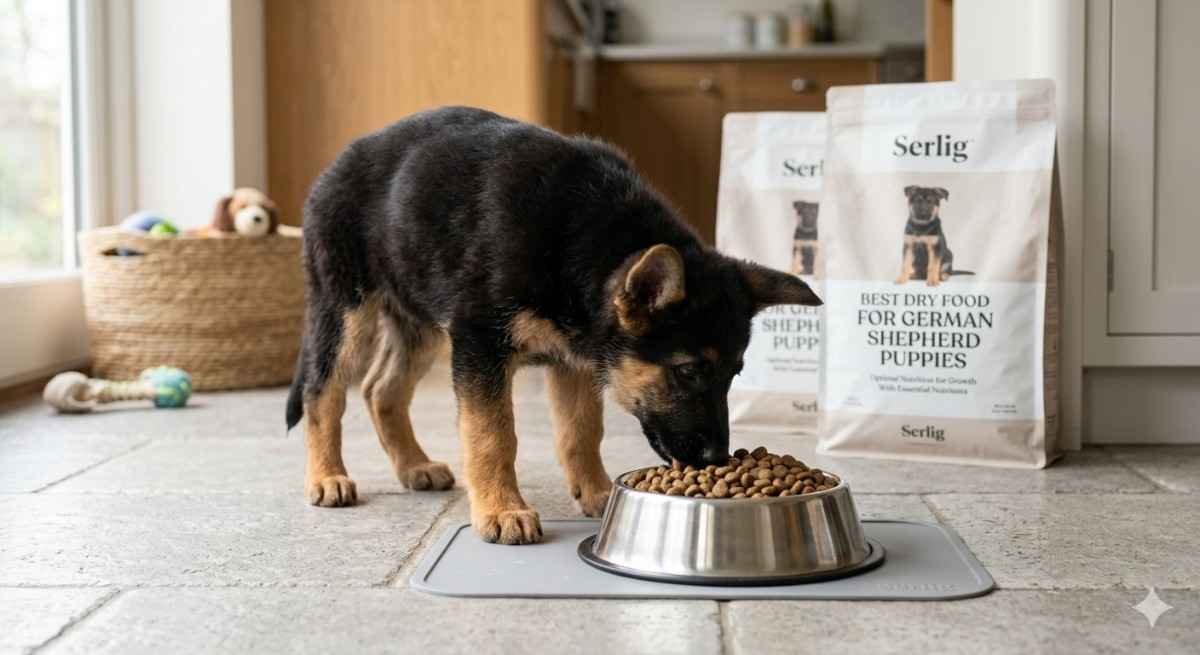
Bringing home a German Shepherd puppy is an exciting milestone. These highly intelligent, loyal dogs quickly become the center of your family. However, feeding them requires careful attention and a deep understanding of their unique biological needs. A standard puppy diet is not enough to support their rapid skeletal growth rate and muscular development.
Providing the wrong nutrition during their critical growth phases can lead to lifelong health issues, including debilitating conditions like hip and joint dysplasia. German Shepherds are genetically predisposed to these structural problems, making a specialized hip dysplasia prevention diet absolutely essential from day one.
This guide serves as both a comprehensive buyer’s checklist and a medical advisory. By reading on, you will learn exactly how to evaluate large-breed growth formulas, understand critical nutritional ratios, and discover the best dry food for German Shepherd puppies based on the latest veterinary standards.
Top 3 Picks for 2026: Comparison at a Glance
| Brand Name | Best For | Key Ingredient | Protein % |
| Purina Pro Plan Large Breed Puppy | Overall Health & Joint Support | Chicken | 28% |
| Royal Canin GSD Puppy | Sensitive Digestion & Breed Specifics | Chicken By-Product Meal | 28% |
| Hill’s Science Diet Large Breed Puppy | Controlled Skeletal Growth | Chicken Meal | 24% |
Why GSD Puppies Need a Large-Breed Growth Formula
Managing a German Shepherd’s skeletal growth rate is the single most important aspect of their early nutrition. Standard puppy foods are densely packed with excess calories and calcium designed to help small dogs grow quickly. If you feed these generic formulas to a large breed, they will grow too fast.
Rapid growth places immense stress on developing bones and joints, significantly increasing the risk of structural deformities. A large breed puppy food for GSD provides a controlled, steady supply of energy. This ensures their muscles develop at the exact same pace as their bones, providing the necessary support structure for a heavy adult frame.
The Nutrition Checklist: What to Look For
To ensure your puppy thrives, you need to read the ingredient labels carefully. Every high-quality kibble must meet the AAFCO puppy food standards for large breeds while providing specific functional benefits.
Protein Quality
Bioavailable protein is the building block of your dog’s muscular system. The very first ingredient on the bag should be real meat, such as chicken, lamb, or beef. High-quality animal proteins are easier for a dog to digest and utilize compared to plant-based alternatives.
The Calcium-to-Phosphorus Ratio
This is a critical metric for joint health and skeletal integrity. The ideal calcium ratio for a German Shepherd puppy sits strictly between 1.1% and 1.3%. If the calcium levels are too high, it triggers abnormal bone growth. Ensure the formula also includes Glucosamine & Chondroitin to lubricate and protect developing joints.
Brain and Cognitive Development
German Shepherds are working dogs known for their high intelligence. Supporting their cognitive development early on makes training much easier. Look for foods fortified with DHA (Docosahexaenoic Acid), an omega-3 fatty acid sourced from fish oil that is vital for brain and eye development.
Digestive Support
Finding a GSD puppy food for a sensitive stomach is a common challenge for owners. This breed is notorious for gastric sensitivity. High-quality kibbles should include prebiotics and probiotics to maintain a healthy gut microbiome. Additionally, L-Carnitine is often added to help metabolize fat effectively, keeping your puppy lean and reducing digestive strain.
Top 5 Product Reviews: The Buyer’s Guide
1. Purina Pro Plan Large Breed Puppy
Best For: Overall Health and Joint Support
Purina Pro Plan is highly recommended by veterinarians for its precise balance of nutrients. It includes real chicken as the first ingredient and is fortified with live probiotics.
- Pros: Excellent calcium-to-phosphorus ratio, contains DHA from fish oil, highly digestible.
- Cons: Contains some corn and poultry by-product meal, which may deter some owners.
2. Royal Canin German Shepherd Puppy
Best For: Sensitive Stomachs and Targeted Digestion
Royal Canin designs their kibble shape specifically for the German Shepherd’s muzzle, encouraging chewing rather than gulping.
- Pros: Highly digestible proteins, specific fibers for gut health, includes Glucosamine & Chondroitin.
- Cons: Expensive, and uses by-product meal rather than whole meat as the primary ingredient.
3. Hill’s Science Diet Large Breed Puppy
Best For: Controlled Skeletal Growth
Hill’s Science Diet provides a highly controlled mineral profile to ensure your puppy grows at a safe, steady pace.
- Pros: Ideal mineral balance for bone growth, high-quality chicken meal, no artificial colors or preservatives.
- Cons: Lower overall protein percentage compared to competitors.
4. Blue Buffalo Life Protection Large Breed Puppy
Best For: Immune System Support
Blue Buffalo features their proprietary “LifeSource Bits,” which are cold-formed vitamins and antioxidants mixed into the kibble.
- Pros: Real meat is the first ingredient, includes L-Carnitine for muscle development, great antioxidant profile.
- Cons: Higher calorie density requires strict portion control to avoid rapid weight gain.
5. Eukanuba Large Breed Puppy
Best For: Active and Working Puppies
Eukanuba is formulated for high-energy dogs that need sustained fuel for training and activity.
- Pros: High levels of DHA for cognitive development, optimized fat and carbohydrate levels for sustained energy.
- Cons: Contains corn and wheat, which can trigger allergies in highly sensitive dogs.
When Should I Switch My GSD Puppy to Adult Food?
Between 12 to 18 months of age is the ideal time to transition your German Shepherd to adult dog food. Switching too early deprives them of essential growth nutrients, while switching too late can lead to obesity and joint strain from excess calories.
GSD Puppy Feeding Chart: Age vs. Daily Cups
| Puppy Age | Approximate Daily Cups (Total) | Feeding Frequency |
| 2 Months | 1.5 to 2.5 Cups | 3 – 4 meals |
| 4 Months | 2.5 to 4 Cups | 3 meals |
| 6 Months | 3 to 5 Cups | 2 – 3 meals |
| 9 Months | 3.5 to 5.5 Cups | 2 meals |
| 12+ Months | 4 to 6 Cups | 2 meals |
Note: Always adjust portions based on your specific dog’s body condition score and the caloric density of the chosen brand.
Frequently Asked Questions
Is grain-free food better for GSD puppies?
No, grain-free food is generally not recommended unless prescribed by a veterinarian for a specific diagnosed allergy. Grain-free diets relying heavily on legumes, peas, and potatoes have been linked by the FDA to an increased risk of Dilated Cardiomyopathy (DCM), a serious heart condition. Healthy grains like oatmeal and brown rice provide excellent energy and fiber.
How many times a day should I feed my GSD puppy?
You should feed your GSD puppy three to four times a day when they are under six months old. Dividing their daily food allowance into smaller, frequent meals helps prevent bloating and ensures steady energy levels. After six months, you can reduce feedings to twice a day.
Should I give my GSD puppy calcium supplements?
No, you should never give a large breed puppy calcium supplements. High-quality, AAFCO-approved large breed puppy foods already contain the exact maximum amount of calcium your dog needs. Adding more disrupts the calcium-to-phosphorus ratio and can cause severe skeletal deformities.
What is the best food for a GSD puppy with diarrhea?
If your puppy is experiencing diarrhea, immediately switch to a bland diet of boiled white chicken breast and plain white rice for a few days to settle their stomach. Once the stool hardens, slowly transition them to a sensitive stomach formula containing highly digestible proteins and prebiotics, such as Royal Canin German Shepherd Puppy or a vet-prescribed gastrointestinal diet.
Setting Your Puppy Up for a Healthy Life
Feeding your German Shepherd requires diligence, but the effort pays off immensely. By selecting a large-breed growth formula with bioavailable protein, the correct mineral ratios, and joint-supporting supplements, you are actively protecting their future mobility.
Monitor their body condition score regularly, stick to strict portion control, and consult your veterinarian if you notice any signs of digestive distress. Your puppy relies entirely on you to make the right nutritional choices. Start them on the right path today, and enjoy a long, active life with your loyal companion.
A Note on Pet Health
Serlig publishes researched pet care information for everyday owners. It is general guidance, not veterinary advice, and it does not replace an examination by a licensed veterinarian who knows your pet. If your pet is unwell, or anything in this guide does not match what you are seeing at home, contact your vet.