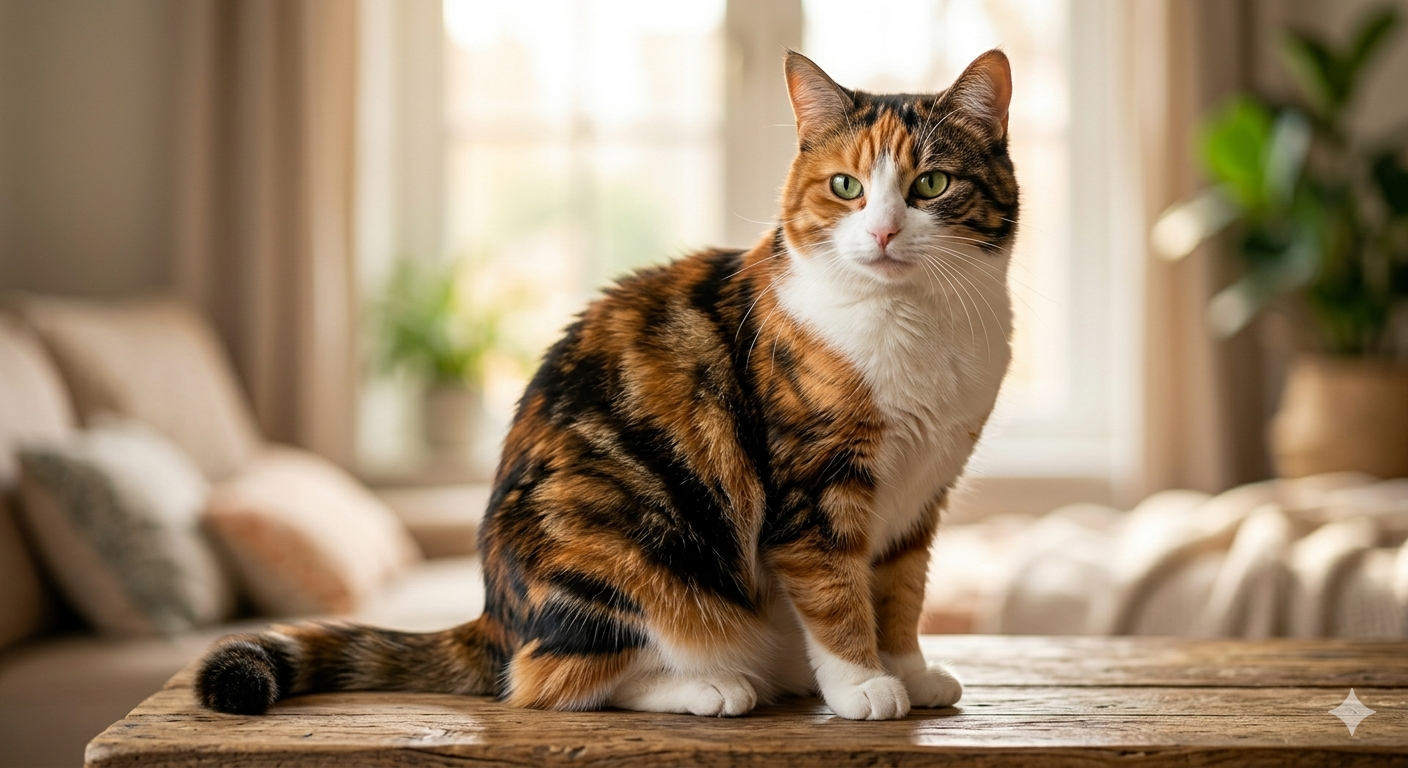
A glossy, vibrant coat is one of the most visible indicators of a feline’s overall well-being. While regular grooming removes loose hair and prevents matting, true coat health originates from within. The condition of a cat’s skin and fur is deeply tied to internal nutrition and lipid metabolism. When essential nutrients are missing from their diet, cats often develop dermal dehydration, resulting in alopecia or excessive shedding.
Selecting the best supplements for cat coat health requires looking past marketing claims and focusing on the biological mechanisms of nutrient absorption, known as bioavailability. Feline physiology dictates exactly which vitamins and fatty acids can be processed effectively. By understanding the cellular requirements of your cat’s skin, you can choose targeted interventions that yield measurable results.
This guide explores the scientific foundations of feline dermatology, highlighting the specific nutrients required to maintain optimal skin barriers and reduce excessive shedding.
Essential Nutrients for a Shiny Cat Coat
Understanding the building blocks of feline skin and hair is the first step toward effective supplementation. Below is a quick reference guide to the most bioavailable nutrients for cats.
| Nutrient | Key Benefit | Animal-Based Source |
| Omega-3 (EPA & DHA) | Reduces inflammatory response and excessive shedding | Salmon, krill, or sardine oil |
| Biotin (Vitamin B7) | Supports hair growth and repairs brittle fur | Liver, egg yolks, kidney |
| Zinc Methionate | Strengthens the skin barrier and cell regeneration | Red meat, poultry |
| Vitamin E | Antioxidant protection against cellular damage | Animal fats, fish oils |
The Science of the Feline Skin Barrier
Feline hair is composed almost entirely of protein, specifically through a biological process called keratinization. Keratin provides the structural integrity necessary for strong, resilient hair shafts. Alongside this, the sebaceous glands located at the base of each hair follicle are responsible for sebum production. Sebum is a natural oil that coats the hair, locking in moisture and providing that sought-after glossy finish.
A cat’s epidermis undergoes a continuous renewal cycle, completely replacing itself every 21 to 28 days. Because of this biological timeline, any nutritional changes or supplements introduced to their diet will take at least a month to manifest visibly. Patience is required when addressing dermal dehydration or dullness, as the cellular turnover cannot be artificially rushed.
[Image showing the layers of cat skin and hair follicles]
Top 4 Cat Shedding Supplements
When evaluating options, it is vital to focus on the active ingredients that feline bodies can actually process. Here is a deep dive into the four most effective supplements for feline skin health.
1. Omega-3 Fatty Acids (EPA & DHA)
When considering omega-3 for cats skin and coat, the source of the lipid is critical. Cats are obligate carnivores, meaning they lack the specific enzymes required to efficiently convert plant-based omega-3s (like alpha-linolenic acid found in flaxseed) into the usable forms of eicosapentaenoic acid (EPA) and docosahexaenoic acid (DHA).
Therefore, comparing salmon oil vs flaxseed oil for cats always favors the marine source. Marine-based oils deliver EPA and DHA directly, which immediately helps regulate the inflammatory response, soothe irritated skin, and significantly reduce shedding.
2. Biotin for Cats Fur
Biotin, also known as Vitamin B7, plays a crucial role in the synthesis of structural proteins. A deficiency in biotin often leads to dry, brittle hair that breaks easily, exacerbating perceived shedding. Supplementing with bioavailable biotin supports robust hair growth, helps repair damaged follicles, and improves the overall texture of the coat.
3. Zinc and Vitamin E
Zinc methionate is a highly bioavailable complex that plays a vital role in maintaining a healthy epidermal barrier and facilitating DNA synthesis for cell regeneration. When paired with Vitamin E (specifically alpha-tocopherol), the two create a powerful defense against oxidative stress. Vitamin E protects the structural integrity of cell membranes, ensuring that the skin remains supple and resistant to environmental irritants.
4. Probiotics
While not traditionally viewed as a skin supplement, probiotics have a profound indirect impact on coat quality. The gut microbiome dictates how efficiently a cat absorbs nutrients from their food. If the gut is inflamed or imbalanced, even the highest quality diet will fail to deliver essential vitamins to the skin. By promoting optimal gastrointestinal health, probiotics ensure that nutrients meant for keratinization and sebum production reach their destination.
Animal-Sourced vs. Plant-Sourced Supplements
Bioavailability is the degree and rate at which an active substance is absorbed into a living system. For felines, animal-derived nutrients consistently outperform plant-based alternatives.
| Feature | Animal-Sourced (e.g., Fish Oil) | Plant-Sourced (e.g., Flaxseed Oil) |
| Bioavailability | Extremely high; directly utilized by feline cells. | Low; requires complex enzymatic conversion. |
| Active Omega-3s | Contains readily available EPA and DHA. | Contains ALA, which cats cannot efficiently convert. |
| Metabolic Load | Processes easily through the feline liver. | Strains the metabolic pathways with minimal yield. |
Quality Control: Choosing the Right Supplement
Navigating the pet supplement market requires a critical eye. According to standards recognized by organizations like the American Association of Feline Practitioners (AAFP), product purity and manufacturing processes directly impact efficacy.
Always look for the NASC (National Animal Supplement Council) Quality Seal on the packaging. This seal indicates that the manufacturer adheres to strict quality control, rigorous auditing, and transparent labeling. Additionally, prioritize cold-pressed oils. Heat extraction degrades delicate fatty acids and destroys the alpha-tocopherol compounds, rendering the supplement far less effective. Cold-pressing ensures the lipids remain structurally intact and fully beneficial for your cat.
Frequently Asked Questions
Can I give my cat human fish oil capsules?
No, you should avoid giving cats human-grade fish oil capsules. Human supplements are formulated with higher concentration levels that can disrupt a cat’s nutritional balance. Furthermore, human capsules often contain added flavorings, preservatives, or artificial sweeteners (like xylitol) that are highly toxic to felines. Always use a species-appropriate formulation.
Why is my cat’s fur dull despite good food?
If your cat consumes a high-quality, biologically appropriate diet but still suffers from poor coat health, it may point to an underlying medical issue. Conditions such as hyperthyroidism, chronic kidney disease, or gastrointestinal malabsorption can severely impact nutrient distribution. A veterinary dermatologist should evaluate persistent dermal dehydration or alopecia to rule out systemic illnesses.
Can too much Vitamin A be toxic for cats?
Yes. Unlike water-soluble vitamins that are flushed out in urine, Vitamin A is fat-soluble and accumulates in the liver. Excessive supplementation leads to a dangerous condition called Hypervitaminosis A. Symptoms include lethargy, joint stiffness, bone malformations, and severe skin peeling. Always consult a veterinarian before adding standalone fat-soluble vitamins to your cat’s routine.
Is coconut oil good for cat coat health?
While coconut oil contains some beneficial medium-chain triglycerides, it is generally not recommended as a primary supplement for felines. Topically, it can temporarily smooth the hair, but cats will inevitably ingest it during grooming, which can cause gastrointestinal upset and diarrhea. Internally, it lacks the essential EPA and DHA required for managing the feline inflammatory response.
Achieving Long-Term Feline Health
Transforming a dull, shedding coat into a resilient, glossy marvel requires a science-based approach to internal health. By prioritizing animal-sourced omega-3s, highly bioavailable zinc, and essential vitamins, you provide the exact cellular building blocks your cat needs.
Before introducing new supplements, review your cat’s current diet to avoid over-supplementation. Partner with your veterinarian to establish the correct dosages, and remember that the biological renewal cycle takes up to a month. With consistent, high-quality nutritional support, your cat’s skin barrier will strengthen, and their coat will reflect their optimal internal health.
A Note on Pet Health
Serlig publishes researched pet care information for everyday owners. It is general guidance, not veterinary advice, and it does not replace an examination by a licensed veterinarian who knows your pet. If your pet is unwell, or anything in this guide does not match what you are seeing at home, contact your vet.