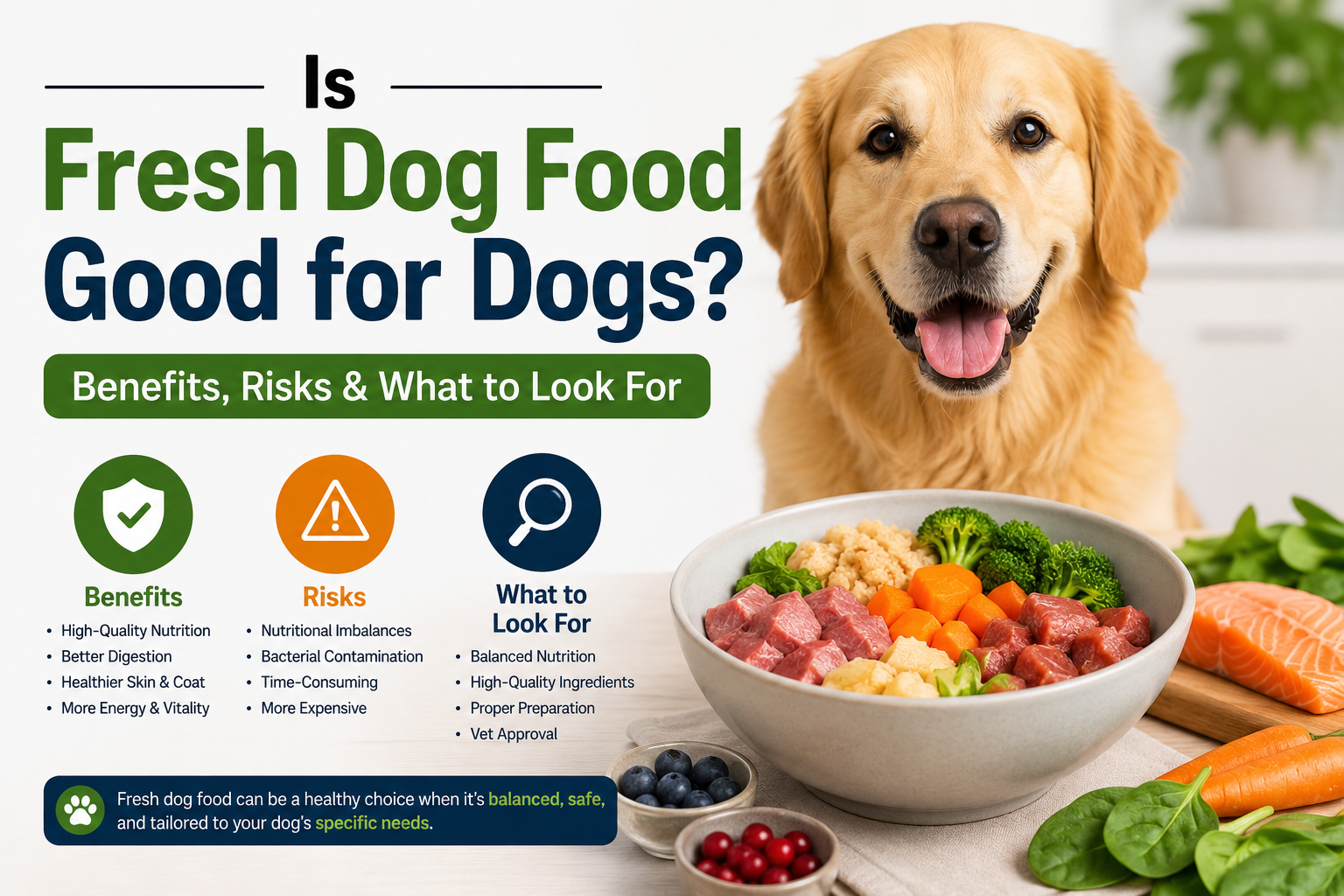
Yes, fresh dog food is generally good for dogs; it tends to be more digestible, more palatable, and made from cleaner ingredients than most processed kibble. That said, “fresh” is not automatically better for every dog in every situation. The benefits are real, but so are the trade-offs: higher cost, shorter shelf life, and the need to choose a brand that is nutritionally complete, not just ingredient-impressive. Here is what the evidence actually says.
A note from Serlig: Fresh dog food can be an excellent choice for many dogs, but it is not a one-size-fits-all decision. For dogs with health conditions, weight concerns, or food sensitivities, always work with a licensed veterinarian before switching diets. Serlig provides general nutrition education and your vet provides personalized guidance.
Fresh dog food has had a remarkable rise. A few years ago, it was a niche product sold in a handful of specialty stores. Today it sits in refrigerators at major supermarkets, comes delivered to your door in custom meal plans, and is backed by enough marketing spend to make you feel like feeding kibble is something to be ashamed of.
The truth, as usual, sits somewhere more nuanced than the ads suggest. So let us actually look at it.
What Is Fresh Dog Food?
Fresh dog food refers to minimally processed, refrigerated or frozen meals made primarily from whole food ingredients, real meat, vegetables, and sometimes grains or legumes. Unlike dry kibble, which is extruded at high heat and can sit on a shelf for months, fresh food is cooked at lower temperatures and kept cold to preserve nutrients and prevent spoilage.
It comes in a few main formats:
- Refrigerated rolls or logs: Sliced into portions and served cold
- Refrigerated bagged meals: Portioned servings, ready to serve
- Fresh delivery subscriptions: Custom meal plans delivered every one to four weeks
- Frozen raw or lightly cooked meals: Thawed before serving
Each format has different storage requirements, shelf lives, and price points. What they share is an emphasis on whole, recognizable ingredients over heavily processed filler
Is Fresh Dog Food Good for Dogs? What the Evidence Says
The honest answer is: for most healthy dogs, yes – fresh dog food is good for dogs, and in some cases it is meaningfully better than conventional kibble. Here is what research and veterinary guidance actually supports:
Better Digestibility
Fresh and lightly cooked food tends to be easier for dogs to digest than heavily processed dry food. High-heat extrusion, the process used to make kibble, can reduce the bioavailability of certain nutrients and alter protein structures. Lower temperature cooking preserves more of the nutritional value of the original ingredients. This is why many owners switching to fresh food report improvements in stool quality, a direct and reliable indicator of how well a dog is absorbing what it eats. (Not sure what healthy dog stool looks like? Serlig’s dog poop color chart gives you the full picture.)
Higher Palatability
Fresh food smells and tastes closer to actual meat than most dry food because it is closer to actual meat. Picky eaters, dogs with reduced appetite (common in seniors), and dogs recovering from illness often eat fresh food more readily than kibble. This is not just marketing; it reflects the basic reality that dogs, as carnivores, are drawn to fresh animal protein.
Cleaner Ingredient Lists
Most high-quality fresh dog food brands lead with named meat proteins, add recognizable vegetables, and skip the artificial preservatives, colors, and flavor enhancers that appear in lower-quality processed foods. This transparency matters not because natural automatically means better, but because a short, readable ingredient list is easier to evaluate against your dog’s specific needs.
Potential Long-Term Health Benefits
In humans, long-term consumption of ultra-processed food is linked to increased risk of several chronic diseases. While direct equivalent studies in dogs are limited, some veterinary nutritionists believe similar mechanisms may apply. It is a reasonable hypothesis, not yet a proven fact but it is part of why the fresh food category is growing.
What Fresh Dog Food Does Not Automatically Guarantee
Here is the part the fresh food brands are quieter about.
Fresh is not the same as complete and balanced.
The most important line on any dog food label fresh, raw, or dry is the AAFCO nutritional adequacy statement. This confirms the food meets established minimum standards for your dog’s life stage. A beautifully photographed bag of chicken and sweet potato means nothing nutritionally if the ratios of protein, fat, vitamins, and minerals are off. Always check for this statement before buying any food, regardless of how premium it looks.
Fresh food can be high in fat.
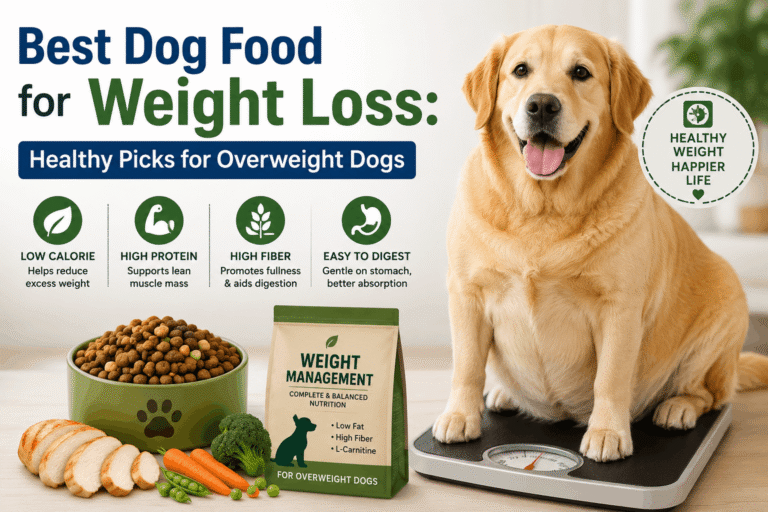
Several popular refrigerated fresh food brands have fat levels that are above average for wet food sometimes significantly. For healthy, active dogs this is generally fine. For dogs that are overweight, prone to pancreatitis, or already on a calorie-controlled diet, the fat content warrants attention. Check the guaranteed analysis, and ask your vet if you are unsure. Our guides on best dog food for weight loss and healthy snacks for overweight dogs cover how to manage this.
Shelf life is short.
Unlike a bag of kibble that keeps for months, fresh food typically lasts 5-7 days in the refrigerator after opening and cannot be restocked in bulk. This is not a dealbreaker, but it requires planning especially for multi-dog households or owners in areas where fresh food is harder to source locally.
The cost is real.
Fresh dog food costs meaningfully more than dry food, and the gap widens with larger dogs. For a small breed, fresh food may add $5–10 a day to your costs. For a large breed eating two pounds or more daily, the numbers add up fast. This is a legitimate trade-off worth factoring honestly into your decision.
How to Choose a Good Fresh Dog Food
Whether you are considering a refrigerated roll from a supermarket or a custom delivery subscription, apply the same checklist Serlig recommends for any dog food:
1. Named meat protein leads the ingredient list: Chicken salmon, not meat poultry,or vague animal protein.
2. AAFCO complete and balanced statement for the right life stage: This is non-negotiable. Without it, the food is not nutritionally complete for daily feeding.
3. A manufacturer with qualified nutritionists behind the formula: The WSAVA Global Nutrition Committee recommends asking whether a brand employs a board-certified veterinary nutritionist or PhD animal nutritionist, conducts feeding trials, and maintains rigorous quality control. Reputable fresh food brands answer these questions transparently.
4. Ingredient list you can actually read. Whole foods you recognize. Minimal use of thickeners, binders, or stabilizers and where they appear, named and explained. Our super premium dog food guide covers label reading in detail and applies equally to fresh food choices.
5. A clean recall history. Every major category of pet food has had recalls. What matters is how the brand responds and whether it has a pattern of problems. Check the FDA’s pet food recall database before committing to a new brand.
Is Fresh Dog Food Right for Your Dog Specifically?
Fresh dog food tends to work particularly well for:
- Picky eaters: Who refuse or pick at dry food
- Dogs with sensitive stomachs: Who do better on more digestible diets
- Dogs with food allergies: Shorter ingredient lists make it easier to isolate and eliminate triggers
- Senior dogs: With reduced appetite or those losing muscle condition
- Dogs with dull coats: The omega-3 content in many fresh foods supports skin and coat health (see Serlig’s guide on improving cat coat naturally for how omega-3s work the same mechanism applies in dogs)
Fresh dog food is less ideal for:
- Dogs needing strict calorie control: The higher fat content in some fresh foods makes portion management more critical
- Owners on tight budgets: The cost gap versus kibble is real and ongoing
- Households where refrigeration or delivery logistics are difficult
Transitioning to Fresh Dog Food
If you decide to try fresh food, switch gradually over 7-10 days mixing increasing amounts of the new food with decreasing amounts of the old. Sudden diet changes cause digestive upset in most dogs regardless of how high-quality the new food is. This is especially true for dogs moving from dry kibble to fresh food, where the moisture content and digestibility are quite different. Our guide to safely transitioning your pet to a raw food diet covers the same principles, which apply to any diet switch.
Frequently Asked Questions
Is fresh dog food good for dogs every day?
Yes, provided the food carries an AAFCO complete and balanced statement for your dog’s life stage. Daily feeding of nutritionally complete fresh food is safe and, for many dogs, genuinely beneficial.
Is fresh dog food better than kibble?
Often, but not always. Fresh food tends to be more digestible and made from cleaner ingredients but a well-formulated kibble from a reputable maker can also provide complete, balanced nutrition. The quality of the specific product matters more than the format.
Can puppies eat fresh dog food?
Yes, but choose a formula specifically formulated for growth (puppies) or all life stages, and confirmed complete and balanced by AAFCO. Large-breed puppies in particular need controlled calcium-to-phosphorus ratios to prevent developmental bone problems see our German Shepherd puppy food guide for the principles involved.
How do I know if my dog is doing well on fresh food?
Watch for: improved stool quality (firm, brown, easy to pick up see our dog poop color chart), better coat shine, stable energy levels, and consistent, healthy weight. If any of these worsen, or your dog shows signs of digestive upset that don’t resolve after the transition period, consult your veterinarian.
Conclusion
Is fresh dog food good for dogs? For most dogs, yes and the benefits in digestibility, ingredient quality, and palatability are genuine. But fresh is not a magic word. The same rules apply as for any dog food: check the AAFCO statement, read the ingredient list, make sure the formula is backed by qualified nutritionists, and match the diet to your specific dog’s age, weight, and health.
Fresh food is a meaningful upgrade for many dogs. It is also one of many good options in a category where quality varies enormously. Use the checklist, trust your vet, and let your dog’s coat, energy, and stool quality tell you whether it is working.