Every cat owner knows the drill. The clock strikes 4:00 AM, and you are jolted awake by a paw to the face, a chorus of meows, or the sound of something deliberately being pushed off your nightstand. Your feline friend is hungry, and they want you to know about it right now. For decades, the solution was simply dragging yourself out of bed to fill a bowl.
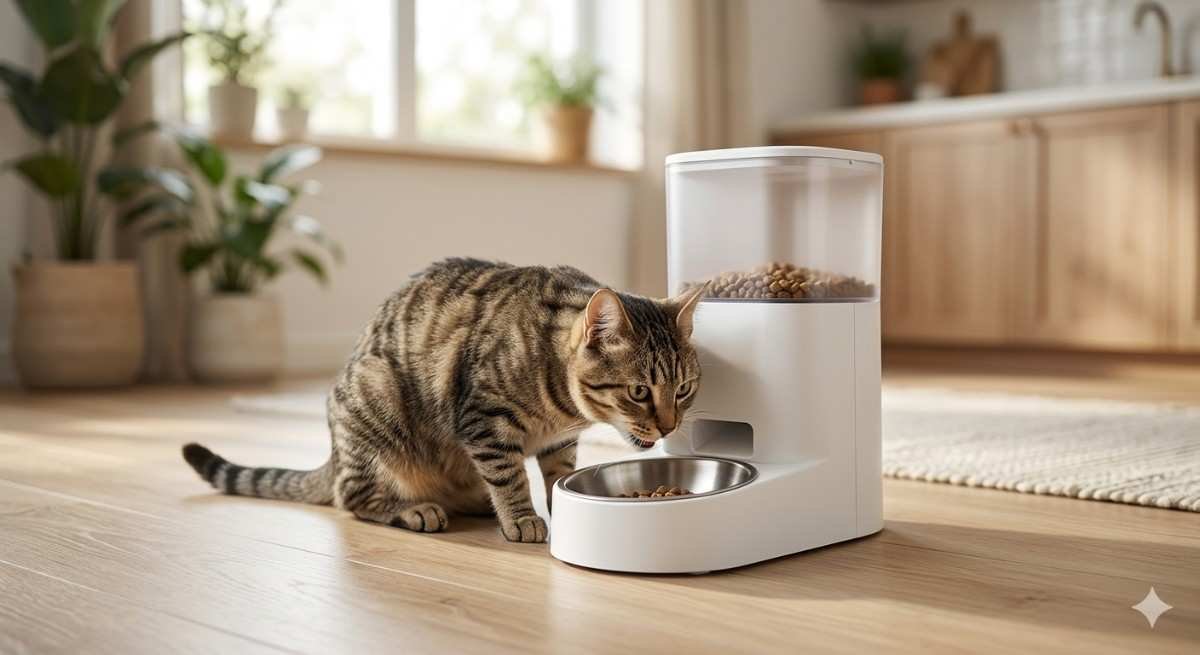
But pet care technology has evolved rapidly. Automatic cat feeders have transformed from basic plastic containers that dump kibble on a timer into sophisticated, AI-integrated health stations. Modern devices can track your cat’s eating habits, connect to your smart home ecosystem, and even identify which pet is eating.
If you are exhausted by early morning wake-up calls or worried about your pet’s weight, you might be considering a tech upgrade. Are automatic cat feeders worth it? This comprehensive review covers the pros and cons of automatic cat feeders, explores the latest 2026 smart features, and helps you decide if this investment makes sense for your household.
The 60-Second Verdict: Should You Buy One?
- Portion Control: 10/10
- Convenience: 10/10
- Ease of Cleaning: 6/10
- Reliability: 8/10
Recommendation: Highly recommended for busy owners, frequent travelers, and cats requiring strict feline obesity management.
The “Worth It” Analysis: Solving Major Pain Points
Understanding the true value of an automated Cat feeding schedule requires looking at the specific problems it solves. Here is how these devices handle three common scenarios.
The Early Riser
Feline Obesity Management
Veterinarians frequently warn about the dangers of pet obesity, which can lead to diabetes, joint issues, and a shortened lifespan. Manual feeding often results in estimating portion sizes, which easily leads to overfeeding. Automatic feeders allow you to dispense food in precise increments. Delivering exact gram measurements across multiple small meals throughout the day mimics a cat’s natural hunting and eating patterns, keeping their metabolism active and their weight under strict control.
The Frequent Traveler
Taking a weekend trip used to mean hiring a pet sitter just to ensure your cat was fed. Reliable automatic feeders offer peace of mind when you are away from home for a day or two. High-quality models feature large hoppers equipped with desiccant bags to maintain food freshness. You can enjoy your getaway knowing your pet is receiving their meals on time.
Critical Comparison: Automatic vs Gravity Feeder
An automatic feeder dispenses specific amounts of food at scheduled times, whereas a gravity feeder simply refills a bowl from a reservoir as the cat eats.
Gravity feeders rely on free-feeding. Because the food is always available, cats are prone to eat out of boredom rather than hunger. This constant access to kibble is a leading cause of feline obesity. Conversely, automatic models enforce strict portion control.
Here is a quick look at how manual feeding, gravity feeding, and automatic feeding stack up:
| Feature | Manual Feeding | Gravity Feeder | Automatic Feeder |
| Cost | Free (just the bowl) | Low ($10 – $25) | Moderate to High ($50 – $200+) |
| Time Investment | High (daily manual effort) | Low (refill weekly) | Low (refill weekly, set schedule once) |
| Health Benefits | Moderate (depends on owner accuracy) | Poor (promotes overeating) | Excellent (precise portion control) |
The Dark Side: Common Issues with Automated Feeding
No technology is perfect. To provide an honest review, we must look at the potential drawbacks and how modern engineering attempts to solve them.
Power Outages and Battery Backups
A feeder that relies solely on a wall outlet will fail during a power outage, leaving your cat hungry. Always look for a unit that includes a dual power supply. A reliable battery backup ensures that the mechanical components continue to run your pre-programmed schedule even if the electricity goes out.
Whisker Fatigue and Cat Acne
Many entry-level feeders come with deep, narrow plastic bowls. Plastic is notorious for harboring microscopic bacteria, which frequently causes feline acne on your cat’s chin. Furthermore, deep bowls can cause whisker fatigue—a sensory overload that happens when a cat’s highly sensitive whiskers constantly rub against the sides of a dish. Upgrading to a model that features wide, shallow stainless steel bowls is highly recommended for your pet’s hygiene and comfort.
Mechanical Jamming Protocols
Kibble comes in various shapes and sizes, and an unexpected jam can stop a feeder from working entirely. If the mechanism gets stuck, your cat misses a meal. Fortunately, premium models now include advanced anti-jam mechanisms. These systems sense resistance and will automatically reverse the internal gears to clear the blockage before attempting to dispense the food again.
2026 Pet Tech: Matter Compatibility and App-Based Analytics
The landscape of pet technology has shifted dramatically. A basic smart cat feeder with camera review used to focus just on video quality. Today, the conversation is about comprehensive ecosystem integration.
Modern feeders now feature Matter compatibility, allowing them to communicate seamlessly with your broader smart home setup, regardless of whether you use Apple, Google, or Amazon systems. Instead of basic timers, these devices offer integrated app-based analytics. You can track exactly how many grams your cat consumed over the week, receive alerts when the food hopper is running low, and monitor feeding habits through Microchip RFID sensing. This microchip technology ensures that in a multi-pet household, only the designated cat can access their specific prescription diet.
Frequently Asked Questions
Is an automatic cat feeder good for wet food?
Yes, but you need a specific type of feeder designed for wet food. Standard hopper-style automatic feeders only work with dry kibble. For wet food, you must purchase a carousel-style feeder that features built-in ice packs to keep the canned food fresh throughout the day.
Can a cat break into an automatic feeder?
Determined cats will certainly try, but premium models are highly secure. Look for feeders that feature secure, cat-proof lids with locking mechanisms. Some models also include weighted bases or wall-tethers to prevent large cats from tipping the unit over to spill the kibble.
How often should I clean an automatic feeder?
You should clean the food bowl every couple of days and wash the entire hopper once a month. Oils from dry cat food build up on the internal plastic and stainless steel surfaces, which can go rancid and make your cat sick if left uncleaned.
Do automatic feeders work for multiple cats?
Yes, they can work exceptionally well if you purchase models with Microchip RFID sensing. These advanced feeders only open when a cat with a registered microchip or RFID collar approaches. This prevents food theft and ensures each cat gets their exact dietary requirements.
Will my cat feel lonely if I don’t feed them by hand?
No, your cat will not lose their bond with you just because a machine dispenses their food. The social bonding aspect of pet ownership goes far beyond meals. You can replace the time you used to spend scooping kibble with interactive play sessions, grooming, and cuddling.
Making the Right Choice for Your Feline Friend
Deciding to automate your pet’s meals comes down to your lifestyle and your cat’s specific health needs. Moving away from manual scooping offers undeniable benefits for portion control, routine building, and your own peace of mind. By investing in a high-quality model with stainless steel bowls, an anti-jam mechanism, and battery backup, you can eliminate the daily stress of feeding times. Evaluate your budget, consider your smart home setup, and choose a device that keeps your pet healthy while letting you finally sleep past 4:00 AM.