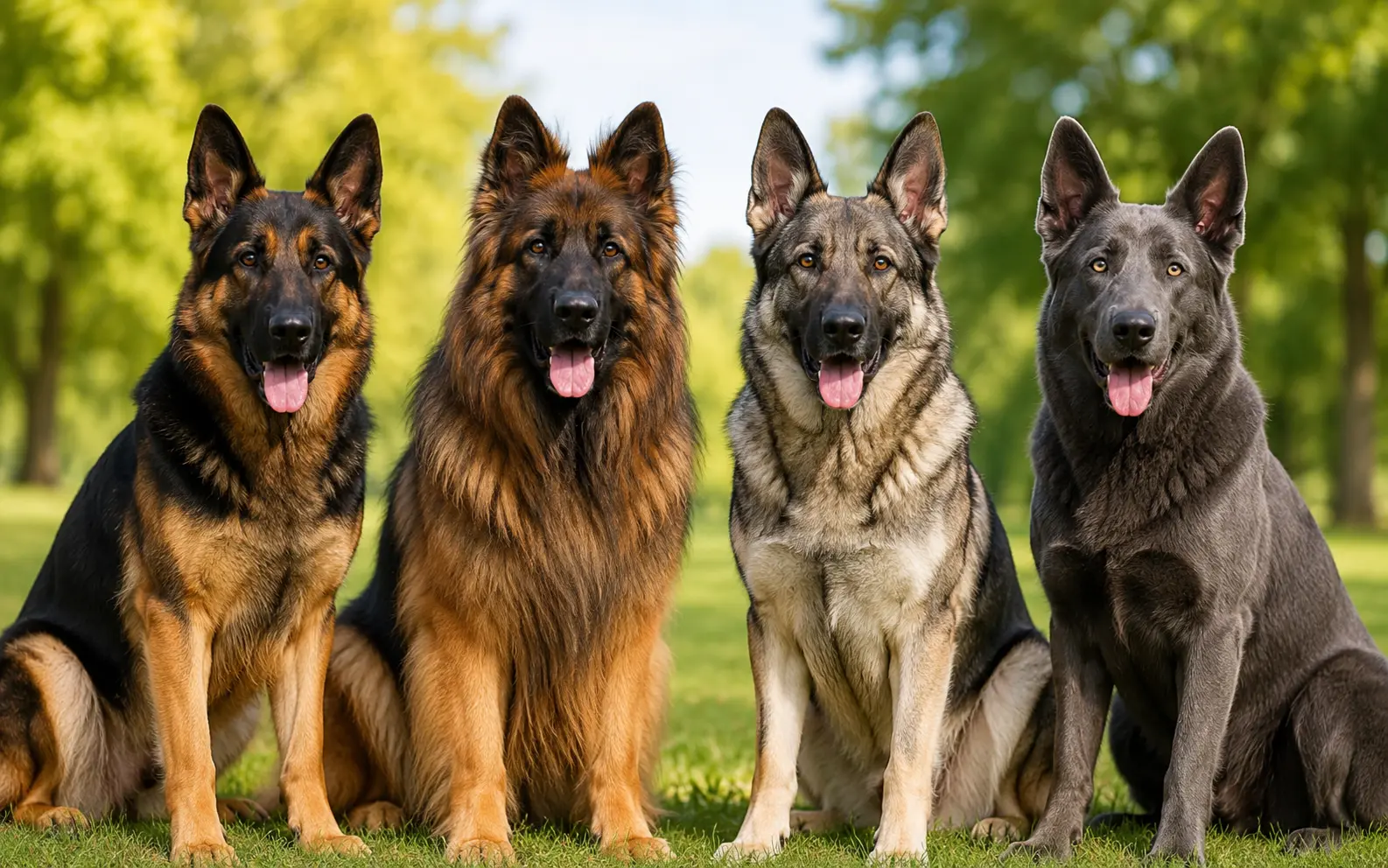
Different kinds of German Shepherds include variations based on coat length, coat color, bloodline, working ability, and appearance. Some German Shepherds have standard short coats, while others are known as long hair German Shepherds. You may also see rare-looking coat colors such as silver sable German Shepherds or blue German Shepherd dogs.
This guide explains each type in simple words so readers can understand the differences before choosing, naming, or learning more about this loyal and intelligent breed. Learning about these variations helps you find the right match for your lifestyle, family dynamics, and training experience.
The German Shepherd is widely known as an intelligent, loyal, confident, and capable working dog. The American Kennel Club (AKC) describes the breed as large, agile, muscular, noble, highly intelligent, loyal, confident, courageous, and steady. By exploring the different types, you can see how this incredible breed adapts to various roles.
What Are the Different Kinds of German Shepherds?
The different kinds of German Shepherds are usually grouped by coat length, color, pattern, and bloodline. Common examples include standard coat German Shepherds, long hair German Shepherds, sable German Shepherds, silver sable German Shepherds, black and tan German Shepherds, working-line German Shepherds, and show-line German Shepherds. Blue German Shepherd dogs also exist, but blue is treated as a serious fault by major breed standards.
- By coat: standard coat, long hair coat
- By color: black and tan, sable, silver sable, black, blue
- By bloodline: working line, show line
- By purpose: family companion, guard dog, service dog, working dog
What Are the Different Kinds of German Shepherds?
When people talk about different kinds of German Shepherds, they are usually referring to variations in coat type, color, bloodline, or working purpose. All these dogs belong to the same breed and are purebred German Shepherds unless they are mixed with another breed. The variations simply highlight how the breed has been developed for different climates, tasks, and preferences over the decades.
Understanding these categories helps you know what to expect in terms of grooming, energy levels, and appearance.
- Coat length: standard medium double coat versus long hair.
- Coat color: classic black and tan, solid black, or rare diluted colors.
- Coat pattern: saddle back, bi-color, or sable.
- Working line vs show line: bred for high-energy jobs versus bred for specific physical standards.
- Temperament and purpose: variations in drive for family life, protection, or service work.
- Grooming needs: differences in shedding and brushing requirements based on coat type.
German Shepherd Types by Coat Length
Standard Coat German Shepherd
The standard coat is the most common and traditional look for the breed. The AKC describes the German Shepherd as having a medium-length double coat with a dense, harsh outer coat and a softer undercoat. This coat type provides excellent protection against harsh weather conditions, keeping the dog warm in winter and cool in summer.
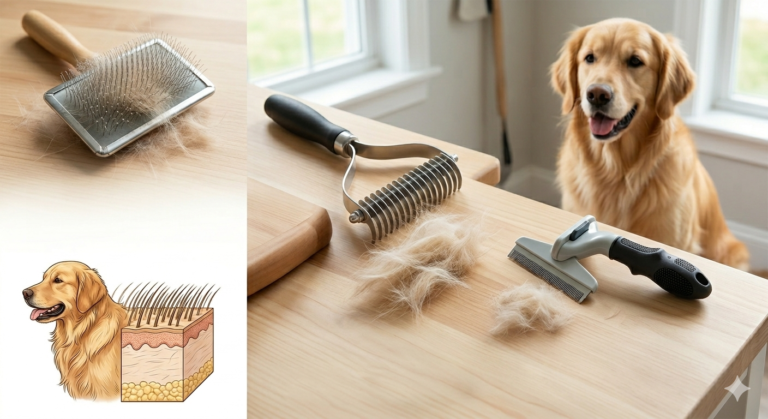
Standard coats require regular brushing to manage shedding, but they are generally easier to groom than longer coats. This coat type is highly common in both family companions and active working dogs.
Long Hair German Shepherds
Long hair German Shepherds have a longer, softer-looking coat that lacks the dense undercoat of the standard variety. This gives them a more fluffy and dramatic appearance that many dog lovers find striking. Because of their beautiful appearance, they are highly popular as family pets.
However, they require significantly more grooming than standard coat German Shepherds to prevent mats and tangles. Despite their different look, they share the exact same loyal and intelligent German Shepherd personality as their shorter-haired counterparts.
- More visible feathering around ears, tail, chest, and legs
- Needs brushing several times per week
- Can shed heavily, especially during seasonal changes
- Same loyal and intelligent German Shepherd personality
German Shepherd Types by Color and Pattern
Black and Tan German Shepherd
This is the classic and most recognized look for the breed. You will often see black and tan German Shepherds serving as police dogs, military dogs, and starring in movies or television shows. They typically feature a black saddle pattern across their back with tan coloring on their legs, chest, and face.
Sable German Shepherd
Sable is a coat pattern, not just one simple color. The hair of a sable dog is banded, meaning each individual hair has a lighter base and a black tip. The United Kennel Club (UKC) lists sable as gray, tan, red, or silver with black tips in its German Shepherd breed standard. This coloring is extremely common in working-line German Shepherds.
Silver Sable German Shepherd
A silver sable german shepherd is a beautiful sable variation with a silver or grey-toned base. The hair usually features darker tips, giving the dog a wolf-like or smoky appearance. While this rare-looking coat pattern is incredibly attractive, buyers should not judge a dog solely by its color.
- Rare-looking coat pattern
- Silver, grey, and black tones
- Often confused with grey German Shepherds
- Temperament depends on breeding, training, and socialization
Blue German Shepherd Dog
When you hear about a blue german shepherd dog, you might imagine a bright blue coat, but that is not the case. Their coat usually looks steel grey, slate grey, or diluted black due to a recessive gene. The German Shepherd Dog Club of America notes that most colors are permissible, but pale, washed-out colors and blues or livers are serious faults.
The UKC also lists blue as a disqualification in its breed standard. While the blue color does not automatically mean the dog is unhealthy, buyers should carefully choose responsible breeders who prioritize health over trendy colors.
German Shepherd Types by Bloodline
Working Line German Shepherd
Working line dogs are bred specifically for work, stamina, drive, and intense focus. They excel in high-pressure roles and are frequently used in police, protection, sport, search, and service work. Because of their high energy levels, they require strong training, vigorous daily exercise, and constant mental stimulation to stay happy.
- High energy and intense drive
- Strong focus on tasks and commands
- Needs experienced handling and consistent training
- Excellent for highly active owners
Show Line German Shepherd
Show line German Shepherds are bred more for appearance and adherence to breed conformation standards. They tend to have a more sloped back and a slightly calmer demeanor than working lines. While they still require daily exercise and consistent training, they are highly popular with families looking for an intelligent, loyal companion.
- More appearance-focused breeding
- Often calmer and highly suitable for family homes
- Still needs regular grooming and positive training
- Must come from responsible breeders to ensure joint health
Are Rare German Shepherd Colors Better?
No, rare colors are not automatically better. A German Shepherd’s overall health, stable temperament, physical structure, training background, and breeder quality matter far more than coat color. Breeding specifically for rare colors can sometimes lead to genetic health issues if responsible breeding practices are ignored.
- Do not choose a puppy only for a rare color.
- Ask the breeder for comprehensive health testing records.
- Check the temperament of the puppy and the parents.
- Meet the breeder or visit the rescue facility in person.
- Avoid breeders who sell color as the only value or charge massive premiums for “rare” coats.
German Shepherd Dog Names for Every Type
Choosing the right name for your new dog is an exciting process. Good german shepherd dog names often reflect the dog’s strong, noble appearance or their specific coat color.
Strong German Shepherd Dog Names
- Max
- Rex
- Bruno
- Kaiser
- Thor
- Hunter
- Rocky
- Diesel
Female German Shepherd Dog Names
- Luna
- Bella
- Freya
- Nova
- Zara
- Stella
- Athena
- Sasha
Names for Silver Sable and Blue German Shepherds
- Shadow
- Storm
- Silver
- Ash
- Ghost
- Steel
- Smokey
- Blue
Which German Shepherd Type Is Best for Families?
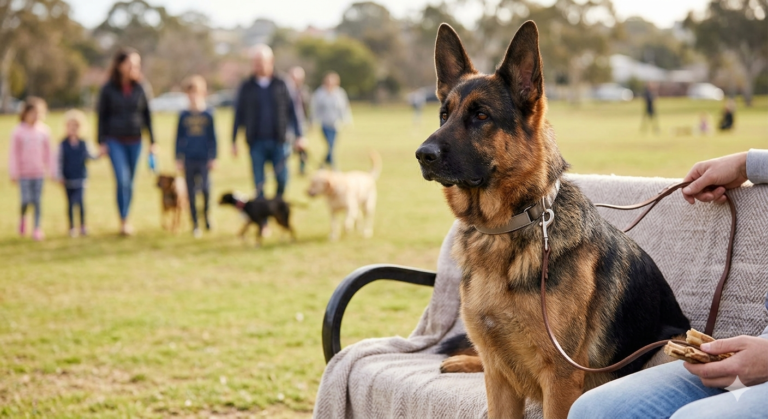
Finding the best fit for your family depends largely on your lifestyle, commitment to training, and activity levels. VCA Animal Hospitals notes that German Shepherds are devoted and protective companions, generally gentle with children, but they need early socialization so they accept new people and animals.
A show-line German Shepherd often adapts well to a family environment due to a slightly lower drive, but they still need plenty of exercise. Standard coat and long hair coats both make wonderful family pets, provided you can handle the grooming.
- Best for active families who enjoy the outdoors
- Needs daily walks, runs, and interactive play
- Needs consistent training starting from puppy age
- Not ideal for owners who want a low-energy or hands-off dog
- Good socialization is incredibly important for a balanced dog
Comparison Table: Different Kinds of German Shepherds
| Type | Main Feature | Best For | Grooming Need |
|---|---|---|---|
| Standard Coat German Shepherd | Medium double coat | Families, work, training | Medium |
| Long Hair German Shepherd | Longer fluffy coat | Owners who can groom regularly | High |
| Silver Sable German Shepherd | Silver-grey sable pattern | Owners who like unique coat patterns | Medium |
| Blue German Shepherd Dog | Diluted blue-grey coat | Companion homes, not show-focused buyers | Medium |
| Working Line German Shepherd | High drive and energy | Active, experienced owners | Medium |
| Show Line German Shepherd | Appearance-focused line | Family and show homes | Medium |
FAQs About Different Kinds of German Shepherds
What are the different kinds of German Shepherds?
Different kinds of German Shepherds include standard coat, long hair, sable, silver sable, black and tan, blue, working-line, and show-line German Shepherds.
Are long hair German Shepherds purebred?
Yes, long hair German Shepherds can be purebred. Their main difference is coat length and grooming need, but they share the same genetics and temperament as standard coats.
Is a silver sable German Shepherd rare?
A silver sable German Shepherd is less common than classic black and tan German Shepherds. Its coat has beautiful silver, grey, and darker sable tones.
What is a blue German Shepherd dog?
A blue German Shepherd dog has a diluted coat color that usually appears steel grey or slate grey. Blue is considered a fault in major breed standards like the AKC and UKC.
What are the best German Shepherd dog names?
Strong German Shepherd dog names include Max, Rex, Kaiser, Bruno, Luna, Athena, Nova, Storm, Shadow, and Diesel.
Which German Shepherd type is best?
The best German Shepherd type depends entirely on your lifestyle. Active owners and professionals may prefer working lines, while families often prefer well-socialized show-line or standard German Shepherds.
Finding Your Perfect German Shepherd Match
Understanding the different German Shepherd types, coat colors, and bloodlines empowers you to make an informed decision when welcoming a new dog into your home. Focusing on health, temperament, and responsible breeding will ensure you gain a loyal guard dog and a loving family companion for years to come.
A Note on Pet Health
Serlig publishes researched pet care information for everyday owners. It is general guidance, not veterinary advice, and it does not replace an examination by a licensed veterinarian who knows your pet. If your pet is unwell, or anything in this guide does not match what you are seeing at home, contact your vet.