The German Shepherd is easily one of the most recognizable and beloved dog breeds across the globe. Known for their striking appearance and fierce loyalty, these dogs are highly sought after by families, police departments, and competitive dog sports enthusiasts alike. However, not all German Shepherds are bred with the same goals in mind. A significant divide exists within the breed, shaping entirely different types of dogs.
Understanding this divide is crucial for potential dog owners, breeders, and working dog enthusiasts. Bringing a high-energy working dog into a laid-back suburban home can lead to frustration for both the dog and the owner. Conversely, expecting a dog bred primarily for show-ring aesthetics to perform rigorous police work is equally unrealistic. You need to ensure a dog’s bloodline matches your lifestyle and training capabilities before making a lifelong commitment.
In this post, we will explore the fascinating history of the DDR German Shepherd and how it compares to standard show lines. At Serlig, we dive deep into the historical events that shaped these distinct bloodlines, breaking down the physical and temperament differences to help you choose the right companion for your family.
A Tale of Two Shepherds: How History Shaped the Breed
To understand the differences within the German Shepherd breed, we have to look back at post-WWII Germany. The creation of the Berlin Wall physically and ideologically separated the country, and this division extended directly into dog breeding programs.
East Germany: Breeding for Borders
The East German government (Deutsches Demokratische Republik or DDR) took control of German Shepherd breeding to create superior military and border patrol dogs. This state-run program focused entirely on function, stamina, and resilience. Only the strongest, healthiest, and most structurally sound dogs were permitted to reproduce, giving rise to the legendary DDR German Shepherds.
West Germany: Breeding for the Show Ring
The situation was vastly different in the West. Without strict government oversight focused on military utility, Western breeders began focusing more on the show line. They prioritized aesthetic consistency, aiming for a specific look that would win in the show ring. Over time, these dogs were also bred to have a softer, more family-friendly temperament, moving away from the intense working drives of their Eastern counterparts.
What is an East German DDR German Shepherd?
The DDR line is renowned for its strict grading system regarding health and working ability. Breeders evaluated dogs on their physical endurance, mental toughness, and resistance to extreme weather. Any dog displaying genetic faults or weak nerves was immediately removed from the breeding pool.
Physical traits of the East German DDR German Shepherd reflect this focus on raw power and athleticism. They typically feature dark pigmentation, often appearing as dark sables or solid blacks. They have large, blocky heads, a heavy and thick bone structure, and a straight back designed for optimal power and endurance.
Their temperament is just as intense as their physical build. These dogs possess a high prey drive, intense loyalty, and natural protective instincts. They are not couch potatoes; they absolutely need a “job” to do to remain mentally sound and happy.
Top working roles for a DDR German Shepherd today include:
- Search and rescue operations
- Personal and property protection
- Military and police work
- Competitive Schutzhund (IPO/IGP) sports
Characteristics of the Standard Show Line
The standard or West German show line German Shepherd is the dog most people picture when they hear the breed’s name. These dogs are bred primarily to conform to specific appearance standards set by kennel clubs.
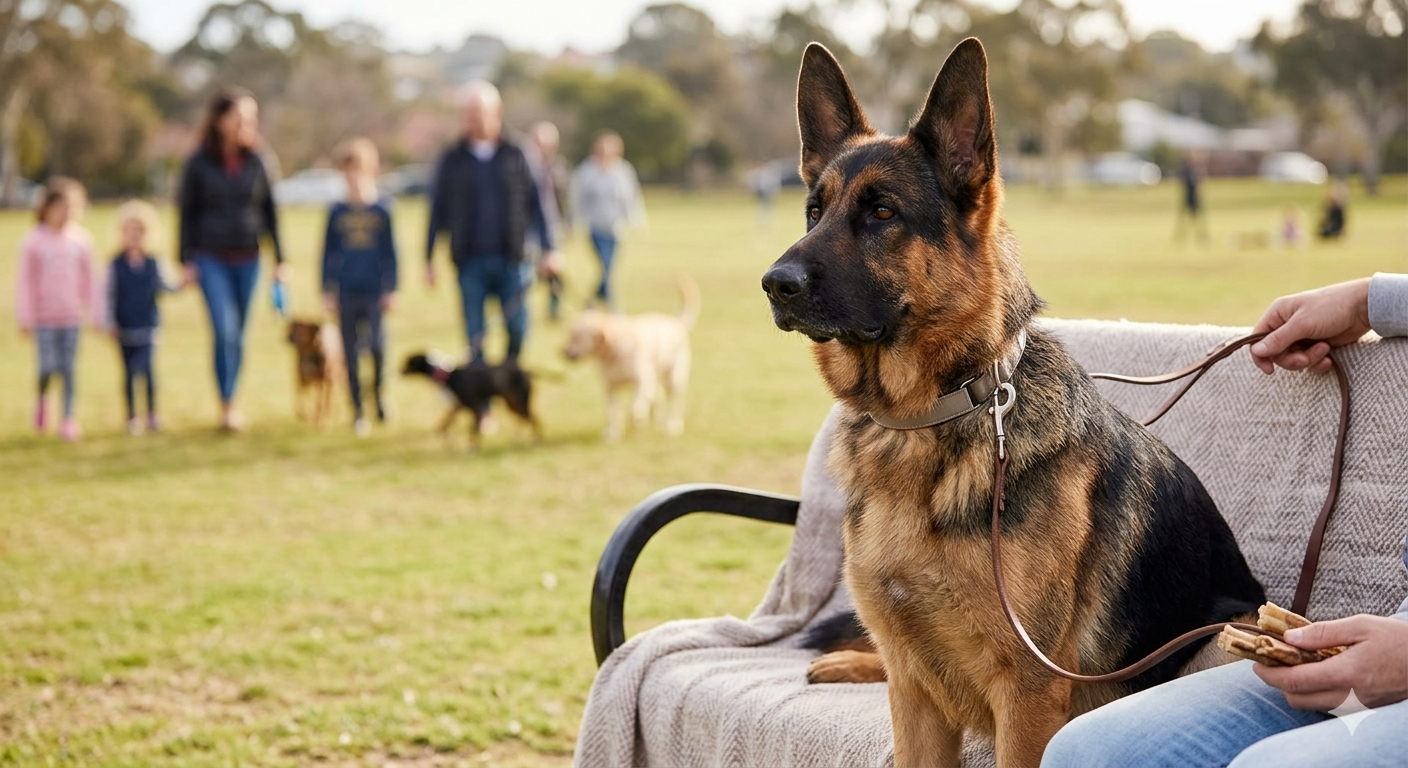
In terms of physical appearance, standard show lines typically feature the traditional black and tan saddle coat. They have a noticeably lighter bone structure compared to working lines. Their most defining, and sometimes controversial, feature is the signature sloped back, often referred to as a roach back, which gives them a distinct trotting gait in the show ring.
Temperamentally, these dogs are bred to be highly sociable companions. They generally possess a lower working drive than Eastern lines, making them much more adaptable to suburban family life. They still exhibit the breed’s trademark loyalty and intelligence but are typically easier for the average person to manage.
Comparing Health and Longevity
The strict health regulations of the historical DDR breeding programs left a lasting positive impact on the bloodline. Because dogs were meticulously screened for joint health before breeding, East German lines typically show a lower incidence of hip and elbow dysplasia today. Their straight backs and sturdy frames contribute to better overall structural longevity.
Standard show lines often face different health challenges. The pursuit of the extreme sloped hindquarters has unfortunately led to a higher prevalence of joint issues. These dogs are more prone to mobility problems as they age, requiring careful weight management and joint care.
Regardless of your dog’s specific bloodline, you can manage their joint health proactively. Keep your dog at a lean, healthy weight to reduce stress on their hips and elbows. Provide them with a high-quality diet supplemented with glucosamine and chondroitin, and ensure they get regular, low-impact exercise to maintain strong supporting muscles.
Other Notable Working Lines
Eastern Europe produced more than just the DDR lines. The czech working line german shepherd provides important context when looking at these robust working dogs.
Similar to the East German dogs, czech german shepherd dogs share a history rooted in military application. They were bred primarily for the Czechoslovakian border patrol. While they share the dark coloring and straight backs of the DDR lines, Czech dogs are often slightly leaner and more agile. They are known for their incredibly high drive and intense focus, making them exceptional candidates for advanced obedience and protection work.
Which Dog is Right for Your Lifestyle?
Deciding between these lines comes down to an honest assessment of your lifestyle, experience, and daily routine.
An East German DDR German Shepherd is an incredible animal, but they require an experienced handler. They need rigorous daily exercise that goes far beyond a casual walk around the block. Furthermore, they demand advanced mental stimulation through training, puzzle toys, or a dedicated dog sport. Without this outlet, their high energy can quickly turn into destructive behavior.
A standard show line might be a much better fit for a first-time owner. Families looking for an active but manageable companion will appreciate the show line’s sociability and lower intensity. They still need daily exercise and basic obedience training, but they are generally content to relax with the family at the end of the day.
Finding Your Perfect German Shepherd
The divide between the standard show line and the East German DDR German Shepherd is stark. One was forged by strict military requirements resulting in a powerful, straight-backed working dog. The other was refined for the show ring, producing a sloped-backed, highly sociable family companion.
No matter which line you choose, thoroughly vetting and interviewing breeders is the most important step in your journey. A responsible breeder will prioritize the health and temperament of their dogs above all else.
Ready to start your search? Download our free “Breeder Red Flags Checklist” to ensure you are asking the right questions, or subscribe to our newsletter for more breed-specific training guides and tips.