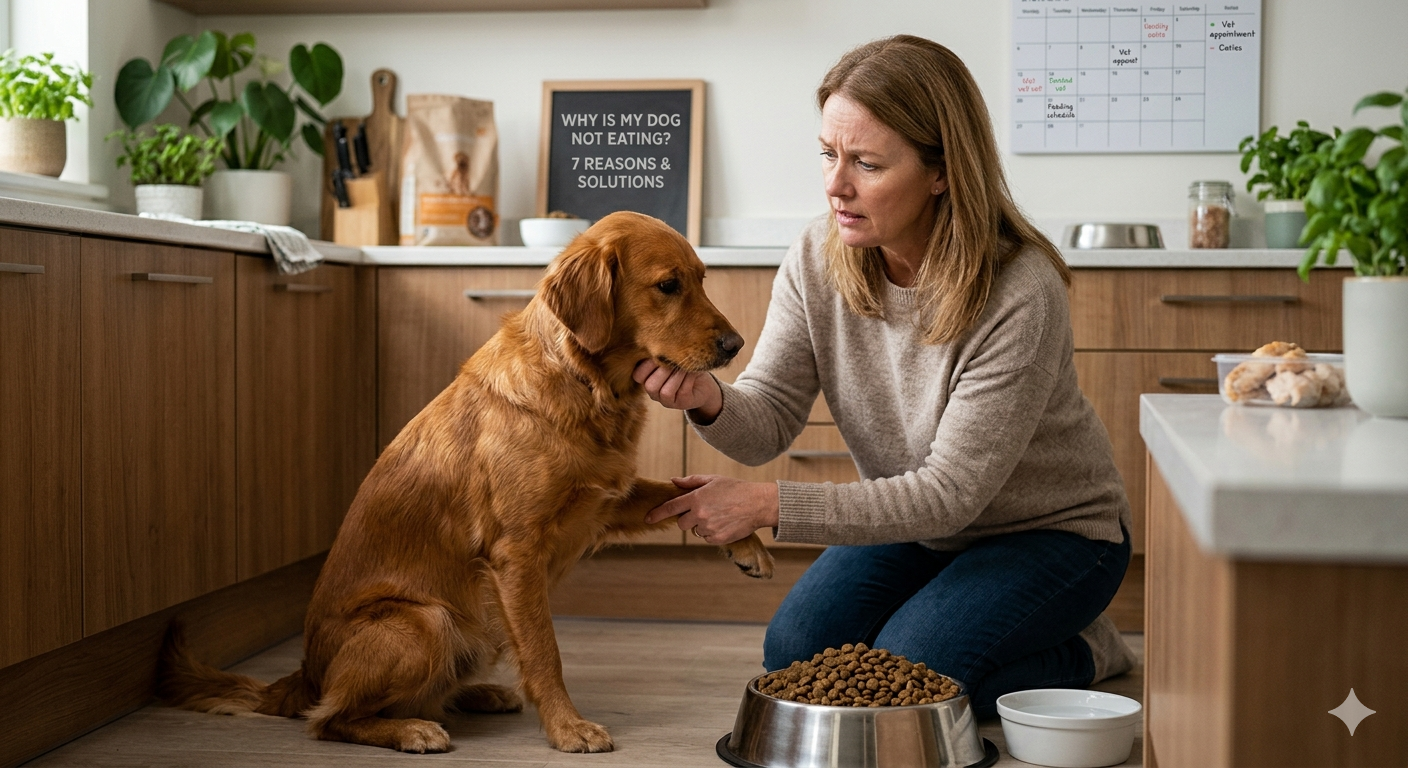
It is incredibly stressful when you pour a fresh bowl of kibble, only to watch your beloved companion sniff it and walk away. Food is a fundamental part of how we care for our pets, and a sudden refusal to eat immediately sets off alarm bells for any dedicated pet parent. You might find yourself frantically searching for answers, wondering if your dog is just being stubborn or if there is an underlying health emergency.
Medically known as inappetence or hyporexia, a dog’s loss of appetite can stem from a wide variety of causes. Sometimes, the issue is as simple as a slight upset stomach or a temporary behavioral quirk. Other times, canine anorexia serves as an early warning sign for a more serious systemic illness that requires prompt veterinary intervention.
Understanding the root cause of your dog’s sudden lack of interest in food is the first step toward helping them recover. By closely observing their behavior, checking their environment, and knowing when to call the veterinarian, you can make informed decisions about your pet’s health. This guide will walk you through the common reasons behind appetite loss, how to differentiate between a picky eater and a sick dog, and practical steps to encourage healthy eating habits.
Is It an Emergency? The 24-Hour Rule
If your dog hasn’t eaten for 24 hours and shows signs of lethargy, vomiting, or diarrhea, consult a vet immediately. Minor appetite loss can be due to stress or pickiness, but prolonged inappetence can signal serious medical issues.
Picky vs. Sick: How to Tell the Difference
Before panicking about a medical crisis, it helps to determine if you are dealing with behavioral anorexia or a genuine illness. A simple at-home test can often clarify the situation. Offer your dog a piece of their absolute favorite high-value treat, like a small piece of plain cooked chicken or a dog biscuit they usually devour.
If your dog eagerly eats the treat but continues to reject their regular kibble, you are likely dealing with a picky eater. They have an appetite, but they are holding out for something better. Conversely, if your dog refuses even the most tempting treats, turns their head away, or appears lethargic, they are likely feeling sick. A dog that won’t eat but drinks water excessively or entirely refuses both food and treats requires closer medical attention.
How long can a dog go without eating?
Most healthy dogs can go 3 to 5 days without food, but you should call a vet after 48 hours. While their bodies can technically survive a few days of fasting, going without vital nutrients for extended periods weakens their immune system and complicates recovery. Always monitor their water intake during this time, as hydration is critical.
7 Common Reasons for Canine Anorexia
1. Dental Disease and Oral Pain
Just like humans, dogs do not want to chew hard food when their mouth hurts. Dental disease is incredibly common in adult dogs and can cause severe discomfort. A broken tooth, inflamed gums, oral tumors, or a severe infection can make the mechanical act of chewing agonizing. Gently lift your dog’s lips to check their gums. If you notice heavy tartar buildup, bleeding, or terrible breath alongside their refusal to eat, dental pain is a highly probable culprit.
2. Environmental Stress and Anxiety
Dogs thrive on routine and predictability. Any major change in their environment can trigger stress, leading to a temporary loss of appetite. Moving to a new home, the arrival of a new baby or pet, or even loud noises from thunderstorms and construction can disrupt their sense of security. An anxious dog will often remain on high alert, prioritizing their safety over their stomach.
3. Recent Medical Procedures
If your dog recently visited the veterinary clinic, their appetite might be temporarily suppressed. Vaccinations can cause mild lethargy and a low-grade fever, making food unappealing for a day or two. Similarly, if your dog underwent a surgery requiring anesthesia, they may experience nausea or grogginess as the medication leaves their system.
4. Dietary Indiscretion
Dogs are notorious for eating things they shouldn’t. Scavenging through the garbage, munching on yard waste, or swallowing an unchewed toy can lead to a condition known as dietary indiscretion. This often results in GI distress, characterized by an upset stomach, vomiting, or diarrhea. When their digestive tract is inflamed or partially blocked, their natural instinct is to stop eating until the issue resolves.
5. Food Spoilage
A dog’s sense of smell is significantly more powerful than ours. While a bag of kibble might smell perfectly fine to you, your dog can detect if the fats have gone rancid or if mold has begun to form. If your dog approaches the bowl, sniffs it intently, and walks away, the food itself might be compromised. Always check the expiration date and ensure dry food is stored in an airtight container to prevent spoilage.
6. Systemic Illness
Sometimes, a dog not eating and lethargic is a red flag for a severe internal issue. Systemic illnesses affecting the kidneys, liver, pancreas, or heart frequently present with inappetence as a primary symptom. Infections, cancer, and metabolic disorders also drain your dog’s energy and desire to eat. Because these conditions are life-threatening, ruling out systemic illness with your veterinarian is essential if the fasting continues.
7. Senior Dog Factors
As dogs age, their bodily functions naturally slow down. Senior dogs often experience a decrease in their olfactory stimulation—meaning their sense of smell and taste weakens. If they cannot smell their food, they are less likely to eat it. Furthermore, older dogs burn fewer calories due to decreased activity levels, which naturally lowers their overall appetite.
Symptom Checker: When to Worry
| Symptom | Potential Cause | Urgency Level |
| Refusing kibble, but eating treats | Pickiness, behavioral anorexia, minor stress | Low (Monitor closely) |
| Drooling, dropping food, bad breath | Dental disease, broken tooth, oral pain | Medium (Schedule a vet visit) |
| Skipping a meal after a vaccination | Mild vaccine reaction, temporary nausea | Low (Should resolve in 24 hours) |
| Not eating, vomiting, diarrhea | GI distress, dietary indiscretion, parasites | High (See a vet if it lasts >24 hrs) |
| Complete anorexia, extreme lethargy | Systemic illness, organ failure, severe infection | Emergency (Seek immediate care) |
How to Get a Picky Dog to Eat
If you have ruled out medical issues and determined your dog is simply being fussy, there are several strategies to encourage them to finish their meals.
Start by enhancing the olfactory stimulation of their meals. Warming up canned food or adding a splash of warm water to dry kibble enhances the aroma, making it much more enticing. You can also introduce high-value toppers, such as a spoonful of plain canned pumpkin, a dash of low-sodium chicken broth, or a sprinkle of boiled chicken.
Establishing a strict feeding schedule is also highly effective. Leave the bowl down for 20 minutes; if they do not eat, pick it up until the next scheduled mealtime. This teaches them that food is not available all day and encourages them to eat when served. Additionally, some dogs respond well to hand-feeding or puzzle toys, turning mealtime into a rewarding mental exercise rather than a chore.
Frequently Asked Questions
Why is my dog not eating but still drinking water?
If your dog refuses food but continues to drink large amounts of water, it could indicate a metabolic issue such as kidney disease, diabetes, or a severe infection. While staying hydrated is good, excessive thirst paired with anorexia requires immediate veterinary diagnostics to check their organ function.
What can I boil for a dog that won’t eat?
A bland diet is excellent for settling an upset stomach. You can boil plain chicken breast (without any bones, skin, oils, or seasonings) and mix it with plain white rice. This combination is highly digestible, gentle on the GI tract, and usually very appetizing to dogs feeling under the weather.
Can a dog stop eating due to heat?
Yes, high temperatures can significantly lower a dog’s appetite. When it is extremely hot outside, dogs expend less energy and pant heavily to cool down. Digestion generates internal body heat, so dogs naturally eat less during heatwaves to regulate their temperature. Ensure they have access to cool water and shade.
Should I force-feed my dog?
Never force-feed your dog without explicit veterinary advice. Shoving food or syringes into a dog’s mouth can cause severe stress, create an aversion to food, and increase the risk of aspiration pneumonia (inhaling food into the lungs). If your dog absolutely must be fed for medical reasons, your vet will provide safe, specific instructions.
Helping Your Dog Regain a Healthy Appetite
Navigating a sudden loss of appetite in your dog requires patience, careful observation, and a willingness to seek professional help when necessary. By understanding the common triggers—from mild environmental stress to more serious systemic conditions—you can advocate effectively for your pet’s well-being.
Keep a close eye on their daily habits, track any additional symptoms, and never hesitate to contact your veterinary clinic if you feel something is truly wrong. With the right care, adjustments to their diet, and proper medical guidance, you can help your companion get back to enjoying their meals and living their happiest life.