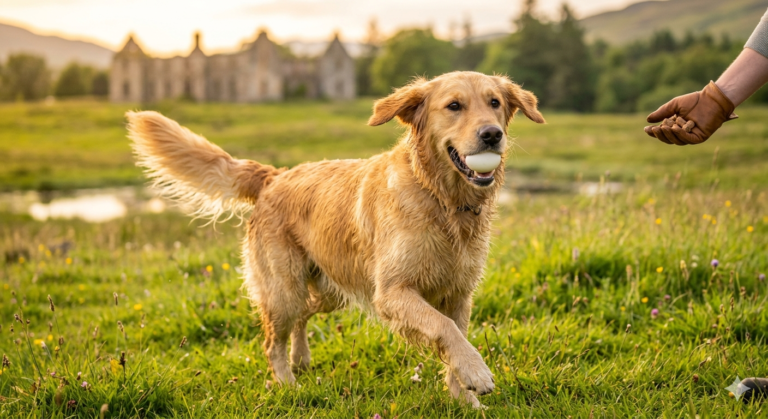
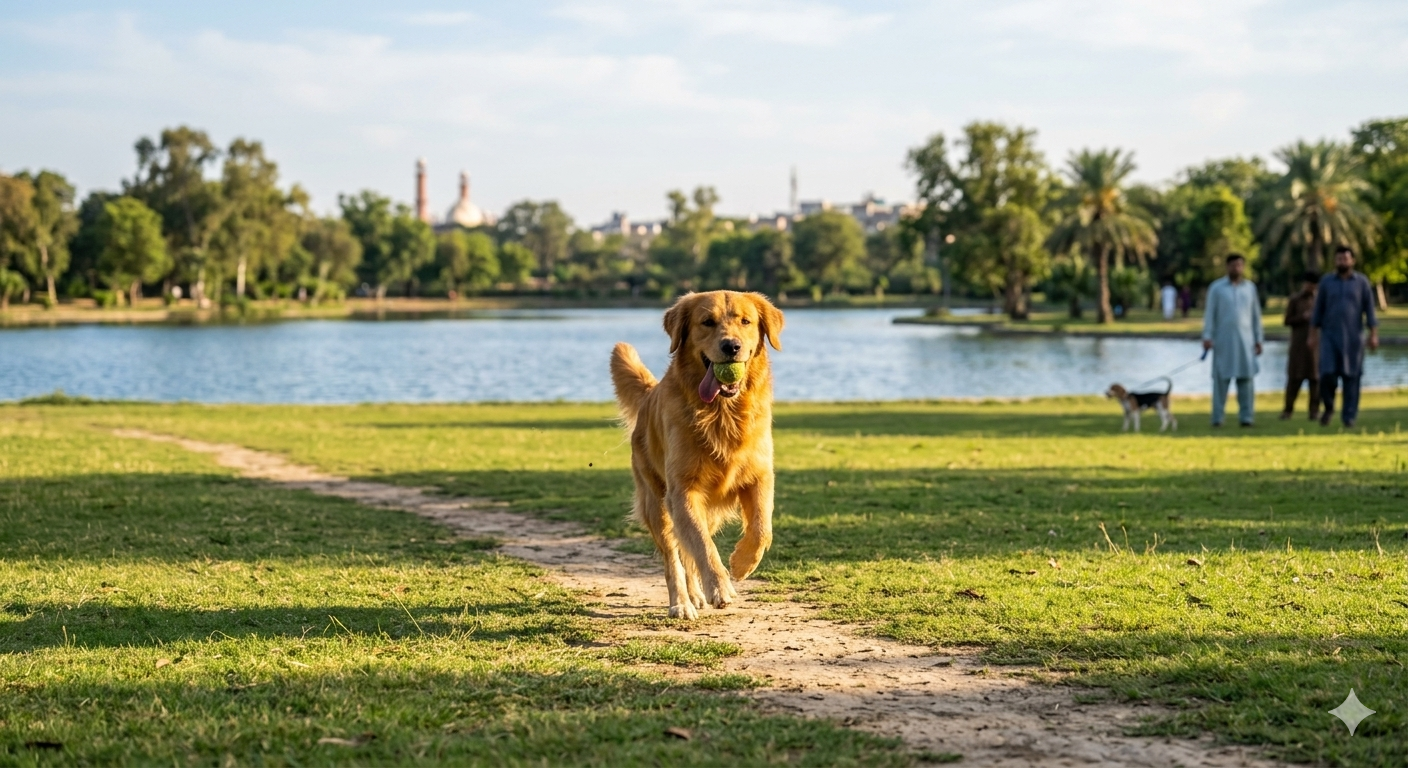
Golden Retrievers are famous for their boundless energy, goofy smiles, and unwavering loyalty. As a Golden Retriever owner, you already know that keeping these enthusiastic dogs happy requires more than just a quick walk around the block. They are sporting dogs bred to retrieve waterfowl for hours on end, which means they have a natural drive to move, work, and play.
However, providing the right amount of physical activity is a delicate balancing act. Too little movement can lead to obesity and destructive behaviors, while pushing them too hard, especially at the wrong age, can cause severe joint problems. Understanding their specific requirements is essential for maintaining their cardiovascular health and overall well-being.
This guide breaks down exactly how to manage your dog’s daily routines safely. We will explore tailored routines for every life stage, how to spot warning signs of exhaustion, and why working their brain is just as important as working their body. By the end of this read, you will have a clear, actionable plan to keep your furry best friend healthy for years to come.
How Much Exercise Does a Golden Retriever Actually Need?
Adult Goldens need 60 to 90 minutes of daily exercise to stay healthy and happy. This should ideally be split into two sessions, combining aerobic activities like running or swimming with moderate walking. However, this rule changes drastically depending on the dog’s age, health status, and fitness level. Veterinarians suggest tailoring their daily routine to prevent joint stress while ensuring adequate cardiovascular health and stamina building.
Exercise Requirements by Life Stage
Your dog’s body changes significantly from puppyhood to their senior years. Adjusting their routine is vital for long-term joint health and preventing conditions like hip dysplasia.
Golden Retriever Puppy Growth Plates
Puppies have soft growth plates at the ends of their bones that do not fully close until they are between 14 and 18 months old. Overworking a puppy can severely damage these plates, leading to lifelong orthopedic issues. Follow the “5-Minute Rule”: offer five minutes of formal exercise per month of age, twice a day. For example, a three-month-old puppy needs just 15 minutes of structured walking per session.
Adult Goldens: Stamina and Cardiovascular Health
Once a Golden Retriever is fully grown (around 18 months to 2 years), their stamina peaks. They thrive on high-energy activities. Fetch, hiking, and swimming are excellent ways to burn off energy. Swimming is particularly beneficial because it provides a full-body workout without putting impact stress on their joints.
Low-Impact Exercises for Senior Goldens
As Goldens age, they become more prone to arthritis and hip dysplasia. You must pivot to low-impact exercises for senior Goldens to protect their aging joints. Gentle, shorter walks and brief swimming sessions are perfect. Avoid high-impact jumping or forced running.
Age vs. Exercise Guidelines
| Dog’s Age | Recommended Daily Exercise | Best Activities |
|---|---|---|
| 3 Months | 15 minutes (twice daily) | Short walks, free play |
| 6 Months | 30 minutes (twice daily) | Moderate walks, basic obedience |
| 1.5 – 7 Years | 60 – 90+ minutes | Hiking, swimming, fetch |
| 8+ Years | 30 – 45 minutes | Gentle walking, hydrotherapy |
Recognizing the Signs of Over-Exercising in Dogs
Even energetic breeds have their limits. Knowing when to stop is a critical part of responsible pet ownership. Pushing a dog past their physical threshold can cause immediate danger and long-term damage.
Physical Warning Signs
Watch your dog closely during any strenuous activity. Immediate signs of over-exercising in dogs include:
- Excessive or frantic panting that doesn’t slow down when resting
- Bright red or pale gums
- Lagging behind you on a walk or refusing to move forward
- Limping or stiffness after resting
Long-Term Health Risks
Consistently overworking your dog increases the risk of severe injuries. Long-term hazards include cruciate ligament tears, early-onset arthritis, and chronic joint pain. Veterinarians suggest letting your dog set the pace and providing plenty of water and rest breaks during intense play.
Mental Stimulation for Large Breeds
Physical fatigue is only half the equation. Mental stimulation for large breeds can actually tire them out faster than a long run. Goldens are highly intelligent and need jobs to do.
Incorporate “nose work” into their daily routine. Hiding treats around the house and asking your dog to find them forces them to use their senses and focus intently. Puzzle toys, snuffle mats, and advanced obedience training sessions are also fantastic ways to drain their energy without putting any strain on their joints. Quality engagement always beats mindless physical repetition.
Keeping Your Golden Happy and Healthy
Meeting your Golden Retriever’s daily exercise requirements is one of the most rewarding parts of owning the breed. By respecting their growth plates during puppyhood, encouraging safe cardiovascular workouts in their prime, and shifting to gentle movements in their senior years, you protect their joint health for a lifetime.
Take a moment today to evaluate your dog’s current routine. If you need to make adjustments, start slowly and consult your veterinarian to create the perfect activity plan for your loyal companion.
Related Reading
Why Golden Retrievers Make the Best Emotional Support Animals